As competition in the European and American markets intensifies, more and more cross-border sellers are turning their attention to Southeast Asia. This region has a young population, high mobile e-commerce penetration, and remaining platform opportunities, making it one of the few markets where sellers can still succeed through operations and timing. However, Southeast Asia is not a unified market—different platforms vary greatly in user structure, operational logic, and growth paths. From a practical perspective, this article reviews the 10 most popular cross-border platforms in Southeast Asia and analyzes their suitable scenarios as well as their integration with the fingerprint browser FlashID.
Top Cross-Border Platforms in Southeast Asia
1. Shopee
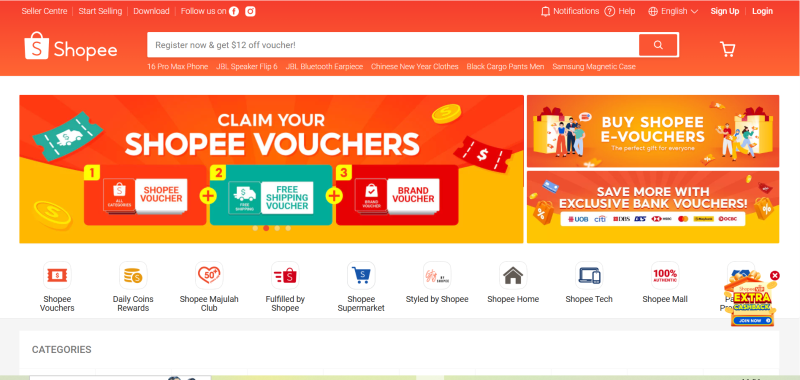
Shopee is currently the largest and most active comprehensive cross-border e-commerce platform in Southeast Asia.
Advantages: Abundant traffic, wide category coverage, beginner-friendly, officially supports cross-border operations
Disadvantages: Intense price competition, squeezed profit margins, stricter multi-account risk control
2. Lazada
Lazada, an Alibaba-backed platform, leans toward branded products and mid-to-high ticket items.
Advantages: Higher average order value, mature warehousing and fulfillment system
Disadvantages: Slow initial launch, high operating and advertising costs

3. TikTok Shop
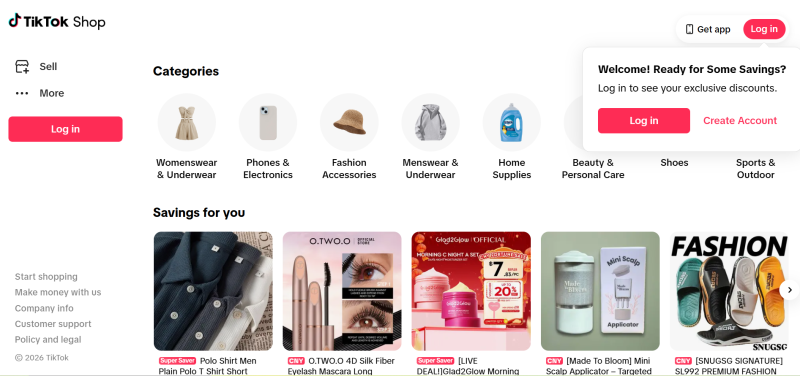
TikTok Shop leverages short videos and live streaming to grow rapidly in Southeast Asia.
Advantages: Clear traffic advantage, short product life cycles, fast conversion
Disadvantages: Highly reliant on content and influencers, policies change frequently
4. Tokopedia
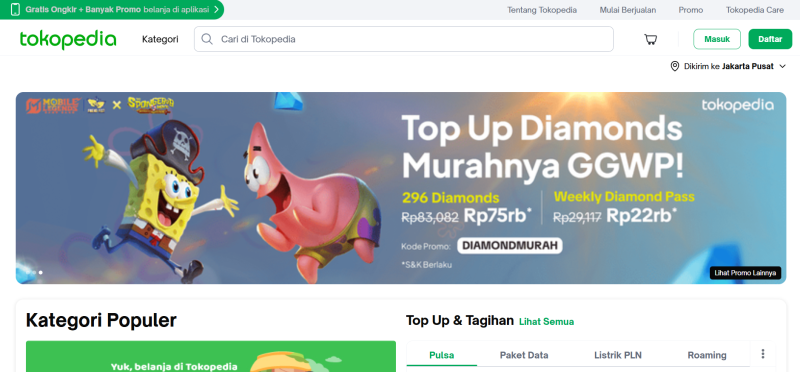
Tokopedia is Indonesia’s largest local e-commerce platform with a highly stable user base.
Advantages: High local trust, mature payment and logistics systems
Disadvantages: High cross-border entry barriers, strong local operational requirements
5. Bukalapak
Bukalapak primarily serves small and medium Indonesian sellers and lower-tier markets.
Advantages: Less competition, suitable for low-cost necessity products
Disadvantages: Limited consumer spending power, low brand growth potential
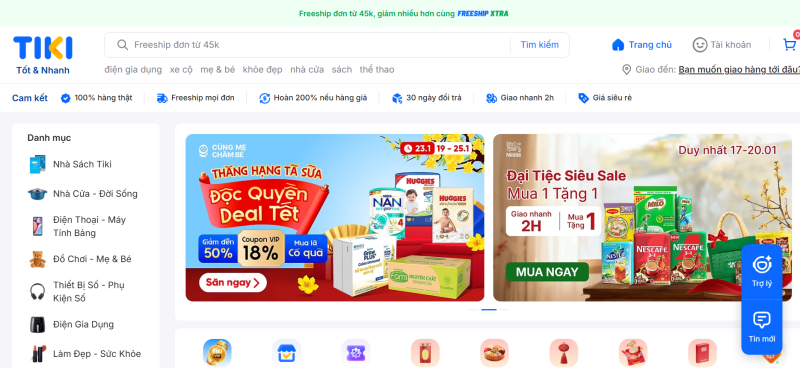
6. Tiki
Tiki is a mid-to-high-end Vietnamese platform known for genuine products and strong service.
Advantages: High user trust, relatively high average order value
Disadvantages: Strict approval process, limited traffic volume
7. Sendo
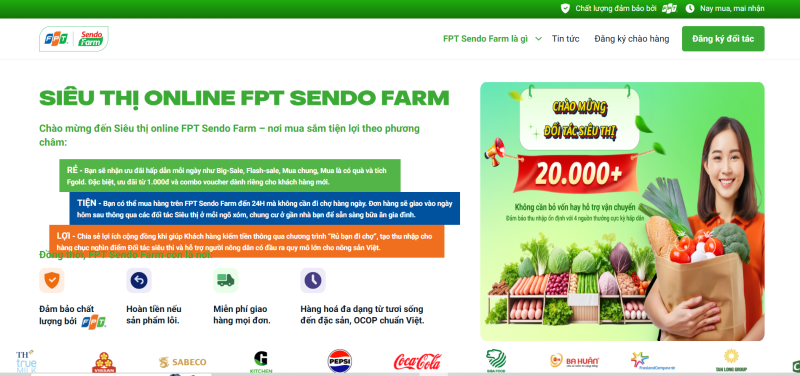
Sendo is a price-driven, mass-market platform in Vietnam.
Advantages: Low entry barrier, suitable for volume sales
Disadvantages: Strong price competition, limited profit margin
8. Zalora
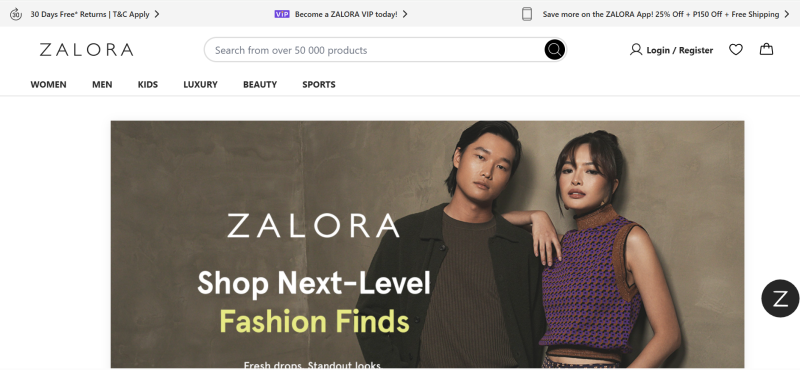
Zalora is a well-known fashion and beauty vertical e-commerce platform in Southeast Asia.
Advantages: Precise vertical audience, high repurchase rate
Disadvantages: Strict category restrictions, high brand requirements
9. Amazon Singapore
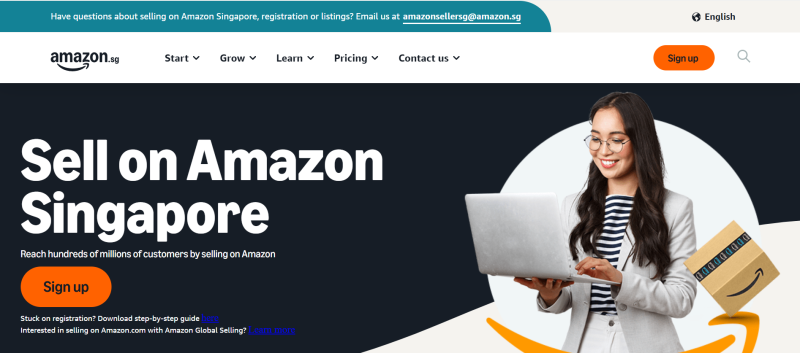
Amazon Singapore mainly targets high-spending users.
Advantages: High average order value, strong platform trust
Disadvantages: Limited traffic volume, high compliance and cost requirements
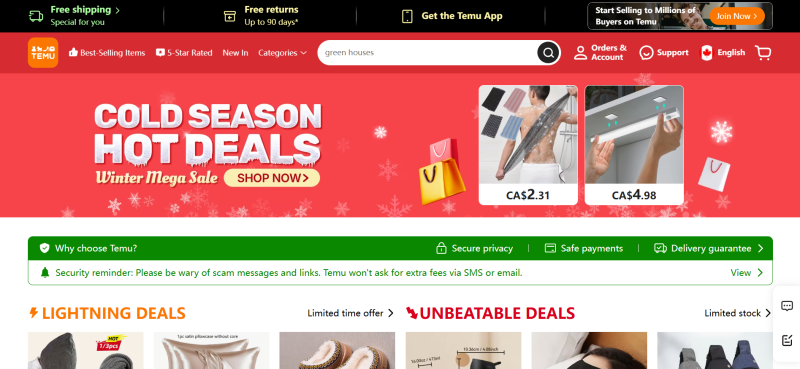
10. Temu
Temu uses a platform-driven direct shipping model to rapidly cover Southeast Asia, emphasizing extreme cost-effectiveness.
Advantages: Fast order fulfillment, high order volume, friendly to supply-chain sellers
Disadvantages: Low profit margins, limited seller control, difficult to build brand equity
Suitable Scenarios for Different Southeast Asian Platforms
| Scenario | Suitable Platforms | Seller Type | Core Objective |
|---|---|---|---|
| New entrants, low- cost trial | Shopee / Sendo / Bukalapak | Individual sellers, small teams | Test products, validate the market |
| Content-driven, short video sales | TikTok Shop | Content or influencer-driven sellers | Rapid growth, create hot products |
| Single-country focus | Tokopedia / Tiki | Localized or long- term sellers | Stable conversions, increase repeat purchases |
| Brand-focused, mid-to-high ticket | Lazada / Amazon SG / Zalora | Brand sellers | Build brand, increase average order value |
| Supply-chain driven bulk sales | Temu | Factory or supply- chain sellers | Large-volume fulfillment |
| Multi-platform operations | Shopee+ Lazada / TikTok + local platforms | Team sellers | Diversify risk, stabilize revenue |
Why Use FlashID for Cross-Border Selling
When cross-border operations enter the multi-platform, multi-account, and team collaboration stage, the account environment becomes a key factor affecting stability and efficiency. FlashID’s value does not lie in “evading risk control,” but in long-term stable account environment management and efficient team collaboration.
- Stable isolation: Provides independent, reusable environments for different platforms and accounts, reducing interference between accounts.
- Improved team efficiency: Team members can operate accounts in their own environments without frequently switching devices or logging in and out.
- Support long-term operations: Environments can be continuously reused from testing to stable operation, supporting data accumulation and long-term strategy implementation.
- Reduce management complexity: Clearly separates accounts by platform, country, and team member, making multi-platform operations more organized.
In short, platforms determine “what to sell and to whom”, while FlashID determines “how to sell long-term, stably, and efficiently.” In multi-platform, multi-account, and team collaboration scenarios, FlashID has become a critical infrastructure-level tool for cross-border operations in Southeast Asia.
Conclusion
In the Southeast Asian cross-border market, platform selection should be based on the seller’s stage, resources, and objectives: new entrants can start with Shopee, Sendo, or Bukalapak; content-driven sellers relying on short videos and live streams should focus on TikTok Shop; sellers focusing on a single country can choose Tokopedia or Tiki; those pursuing brand development and long-term operations may select Lazada, Amazon Singapore, or Zalora; supply-chain driven sellers aiming for large-volume fulfillment can choose Temu; and when operating multiple platforms with a team, FlashID is essential for account environment management. Correct platform selection combined with stable account management is key to sustained growth in Southeast Asia.
Frequently Asked Questions (FAQ)
1.Q: Why choose Southeast Asia for cross-border e-commerce?
A: It has a young population, high mobile e-commerce adoption, and remaining platform opportunities, making it easier for sellers to grow compared to saturated Western markets.
2.Q: Which platforms are most popular in Southeast Asia?
A: Top platforms include Shopee, Lazada, TikTok Shop, Tokopedia, Bukalapak, Tiki, Sendo, Zalora, Amazon Singapore, and Temu. Each differs in audience, traffic, and operational style.
3.Q: How do I choose the right platform?
A: New entrants → Shopee, Sendo, Bukalapak Content-driven sales → TikTok Shop Single-country focus → Tokopedia, Tiki Brand/mid-high ticket → Lazada, Amazon SG, Zalora Supply-chain bulk sales → Temu Multi-platform team operations → Use FlashID to manage accounts
4.Q: What is FlashID and why is it important?
A: FlashID is a fingerprint browser that creates isolated, reusable environments for accounts and platforms. It helps teams manage multiple accounts efficiently, maintain stability, and support long-term operations.
5.Q: What is the key to success in Southeast Asia?
A: Correct platform selection plus stable account management—especially for multi-platform, multi-account operations—is essential for sustainable growth
You May Also Like