With rapid tech advances and evolving consumer habits, North America’s cross-border e-commerce landscape is being reshaped. Choosing the right platform is half the battle, but emerging models and fierce competition make strategic decisions critical. This article highlights the 10 most influential platforms expected to dominate by 2026, their strengths, challenges, and actionable insights.
Top 10 North American Cross-Border Platforms in 2026
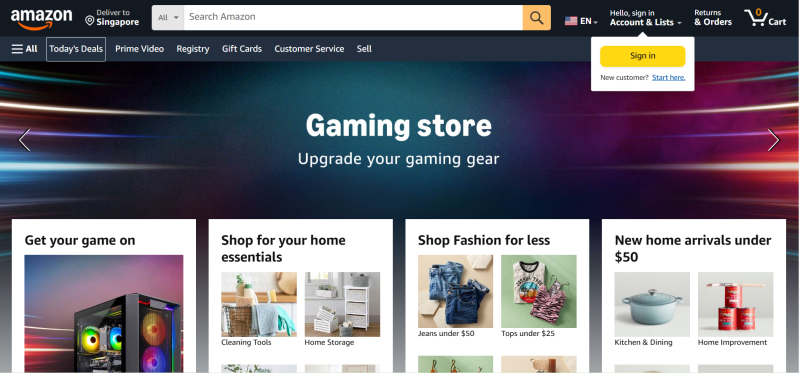
1. Amazon – The E-Commerce Giant
Amazon dominates North America with its massive ecosystem, trusted brand, and extensive logistics network.
- Pros: Mature FBA logistics, access to a huge customer base, easy to scale quickly
- Cons: Highly competitive, high advertising costs, platform rules limit seller flexibility
2. Shopify – The Hub for Independent Brands
Shopify empowers brands to run independent stores with full control over data and design.
- Pros: Full control over brand and data, high autonomy, strong long-term brand-building potential
- Cons: Traffic must be self-driven, marketing and promotion are resource-intensive

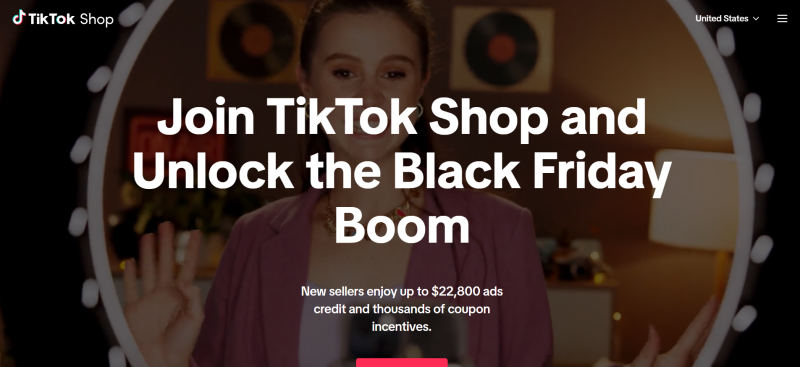
3. TikTok Shop – Social Commerce Engine
TikTok Shop turns viral content into direct sales, connecting products with active audiences.
- Pros: High conversion from content, fast order acquisition
- Cons: High content production demands, growth can be volatile
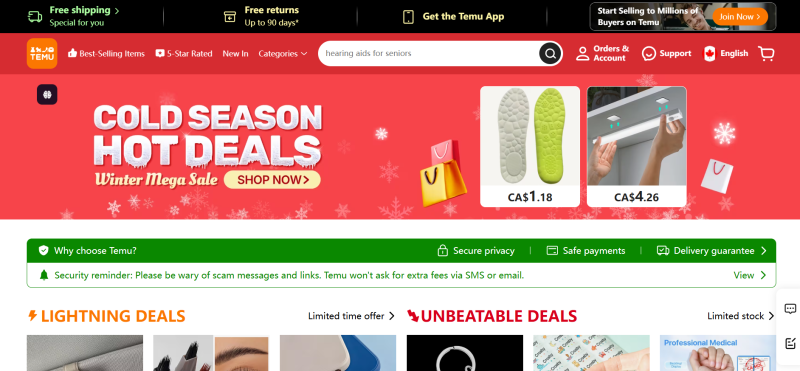
4. Temu – Fully Managed, Cost-Effective Platform
Temu provides low-barrier, fully managed operations, ideal for fast-moving inventory.
- Pros: Easy to start, fast order volume, minimal operational experience needed
- Cons: Limited profit margins, weak brand accumulation
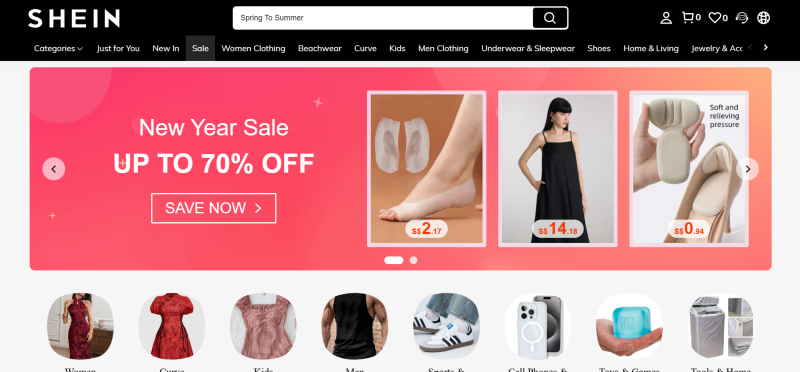
5. Shein – Fast Fashion Leader
Shein dominates fashion e-commerce with a flexible supply chain and data-driven product selection.
- Pros: Efficient supply chain, rapid product turnover, good for short-term volume spikes
- Cons: Regulatory and public scrutiny, very competitive environment
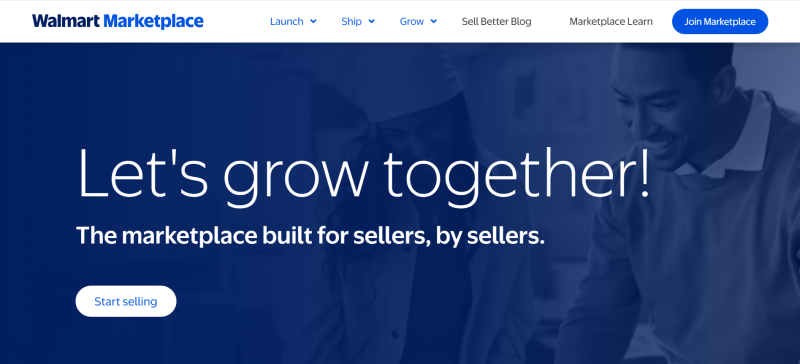
6. Walmart Marketplace – Traditional Retail Online
Walmart Marketplace extends the trust and reach of a traditional retailer into online sales.
- Pros: Strong brand reputation, access to high-value users
- Cons: Strict onboarding, traditional tools and processes
7. eBay – Auctions & Collectibles Platform
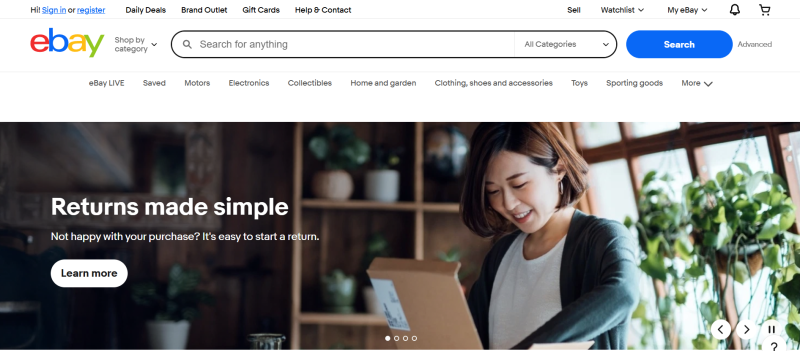
eBay remains strong in second-hand goods, collectibles, and niche verticals.
- Pros: Stable niche markets, loyal customer base
- Cons: Slow overall growth, limited appeal to younger users
8. Etsy – Handmade & Personalized Goods Community
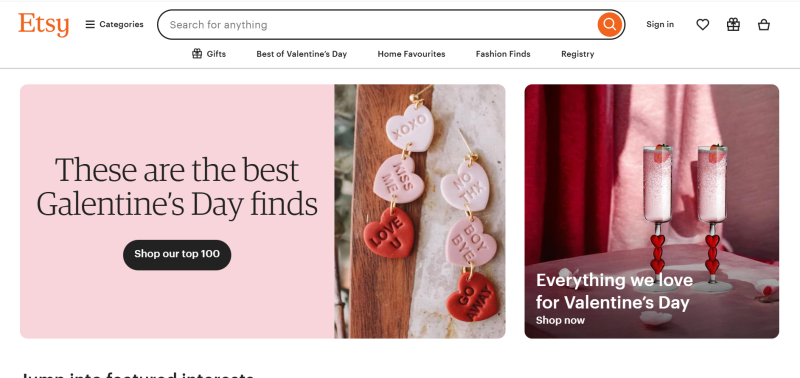
Etsy connects creative sellers with buyers seeking unique, handcrafted products.
- Pros: High community engagement, potential for premium pricing
- Cons: Smaller market scale, limited product categories
9. AliExpress – Direct Access to Chinese Supply Chains
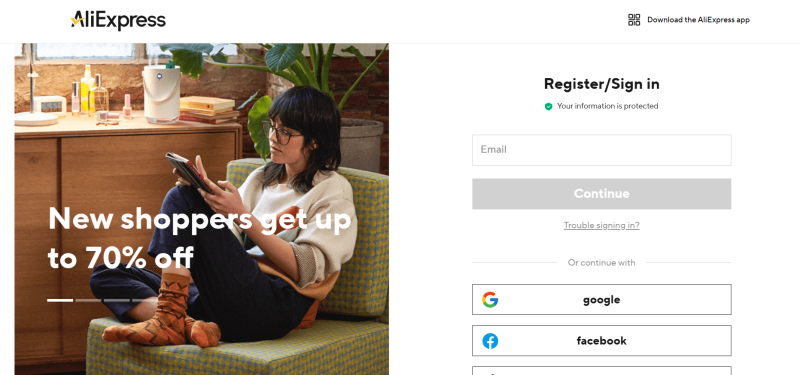
AliExpress allows North American buyers to access a wide range of Chinese products at competitive prices.
- Pros: Rich supply chain resources, low-cost fast product listing, ideal for market testing
- Cons: North American users may perceive logistics and quality issues, profit margins can be thin
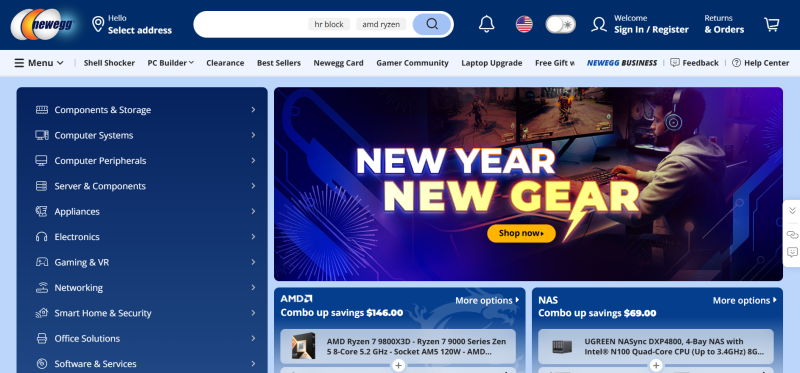
10. Newegg – Electronics & Geek-Focused Platform
Newegg specializes in digital gadgets, hardware, and tech enthusiasts.
- Pros: Authority in electronics, attracts professional and tech-savvy users
- Cons: Narrow product focus, moderate traffic levels
Understanding the characteristics of each platform is the first step. Next is to match your resources with the most suitable operational strategies and combinations.
How to Choose? Platform Use Cases and Recommendations
Quick Match by Seller Type:
| Type | Goal | Priority Platforms | Strategy |
|---|---|---|---|
| Factory / Supply Chain | Rapid volume, low complexity | Temu, Shein, AliExpress | Scale quickly as supplier; integrate with Amazon/Walmart |
| Brand / Innovative | Build brand & users | Shopify, TikTok Shop, Amazon | Start with Shopify, attract traffic, scale |
| Vertical / Niche | Premium & loyal users | Etsy, eBay, Newegg | Deepen niche, avoid red-ocean |
| Beginner / Small Team | Low-cost testing | Shopify, TikTok Shop | Launch flexibly, validate model |
General Tips:
- Adopt “1+N” structure (independent store + multiple platforms)
- Localized logistics is key
- Content and community drive long-term value
Key Step for Multi-Platform Operations: Safely Scaling with FlashID
As sellers move from a single platform to a “1+N” multi-platform model, the main challenge becomes managing multiple accounts safely and steadily. Running Amazon, Shopify, TikTok Shop, Walmart, eBay, and others in parallel creates risks like account linkage, device detection, and team coordination.
Anti-detect browsers like FlashID address this by providing isolated, reusable environments:
- One account, one environment
- Fingerprints, cookies, storage, and network fully isolated
- Multiple accounts safely managed on the same device/team
Ideal for multi-site Amazon/Walmart, Shopify multi-store setups, and TikTok Shop with ads. As competition becomes more refined, infrastructure—not just platform choice—defines growth potential. FlashID is evolving from a tool into a core capability for multi-platform expansion.
Conclusion
Returning to the opening question: Are you ready for tomorrow’s cross-border e-commerce landscape? The answer lies not only in whether you choose Amazon, Shopify, or TikTok Shop, but also in whether, as your business grows in scale, speed, and complexity, you can:
- Safely manage multiple platforms and accounts
- Steadily scale successful models
- Survive long-term under increasingly strict risk controls
Platforms determine opportunity; tools define boundaries. In the 2026 cross-border competition, anti-detect browsers like FlashID are transforming from auxiliary tools into foundational infrastructure for cross-border operations.
Frequently Asked Questions (FAQ)
1.Q: Why operate on multiple platforms?
A: To diversify risk, reach more customers, and reduce dependence on a single platform. Brand sellers may focus on Shopify, while high-volume suppliers prefer Temu or Shein.
2.Q: How to choose the right platform?
A: Match your resources and goals:
Factory/Supply Chain: Temu, Shein, AliExpress
Brand/Innovative: Shopify, TikTok Shop, Amazon
Vertical/Niche: Etsy, eBay, Newegg
Beginner/Small Team: Shopify, TikTok Shop Use a “1+N” strategy (independent store + multiple platforms).
3.Q: What are the risks of multi-platform operations?
A: Risks include account linkage, device detection, and team coordination issues, which may lead to restrictions or bans.
4.Q: What is FlashID and why use it?
A: FlashID is an anti-detect browser providing isolated environments for each account, safe management of multiple accounts, and risk reduction—ideal for Amazon/Walmart multi-sites, Shopify multi-stores, and TikTok Shop ads.
5.Q: Is choosing the right platform enough?
A: No. Platforms provide opportunities, but safe, stable multi-account management and infrastructure are key to long-term success.