In 2026, cross-border e-commerce has entered a new stage focused on refined operations and compliance-driven growth. Choosing the right tools has shifted from being an optional way to improve efficiency to becoming essential infrastructure for running a business. Whether you are selling on platforms like Amazon, Shopify, or TikTok Shop, or focusing on affiliate marketing, content-driven growth, and managing multiple social media accounts, a structured set of professional tools has become standard for experienced cross-border operators.
Here is a list of 10 essential tools and websites for 2026. They cover the full business process, including market research, product selection, store operations, advertising, multi-account management, and team collaboration.
10 Essential Tools and Websites
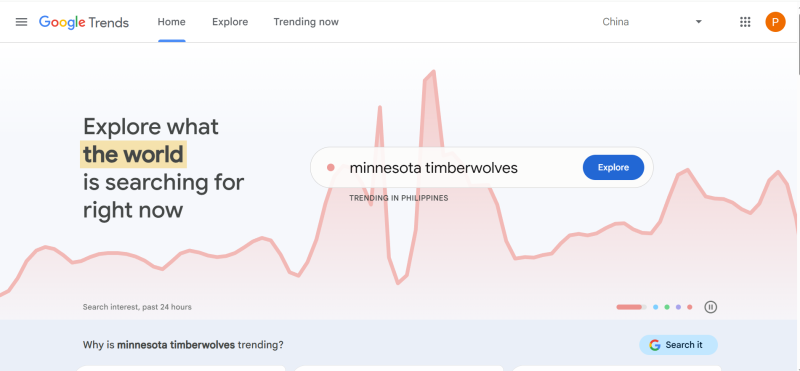
1. Google Trends — Market Demand Analysis
Google Trends is a free platform providing global search trend data to help sellers understand changes in consumer interest.
Key Features:
- Monitor trends in product and keyword searches
- Compare market demand across countries and regions
- Distinguish between long-term trends and short-term spikes
Usage Tips: Combine trend data with actual sales data, focus on seasonal fluctuations and regional differences, and use insights to guide product selection and inventory planning.
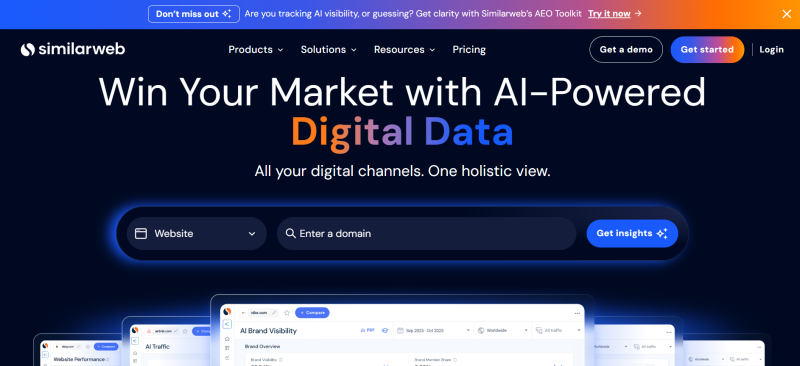
2. Similarweb — Website Traffic and Competitor Analysis
Similarweb provides professional website traffic and competitive intelligence analysis to understand industry landscapes and opportunities.
Key Features:
- Analyze competitors’ traffic sources
- Evaluate website performance and business value
- Identify high-potential market entry opportunities
Usage Tips: Monitor main competitors’ traffic regularly, pay attention to emerging channels, and use insights to guide advertising and content strategies.
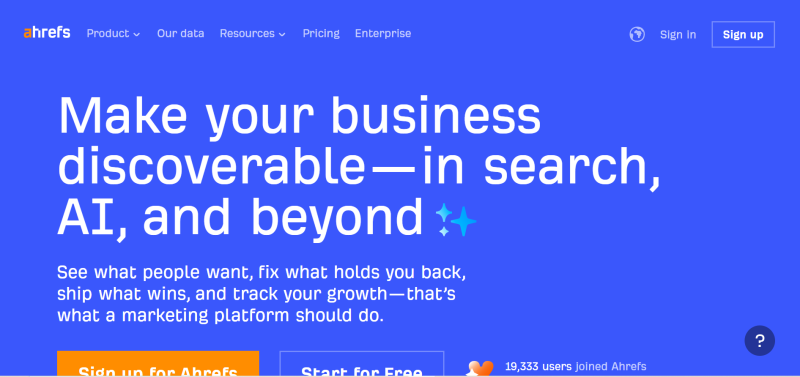
3. Ahrefs — SEO and Content Marketing Analysis
Ahrefs is a leading SEO and content analysis tool with an extensive keyword and backlink database.
Key Features:
- Identify high-value, low-competition keywords
- Analyze competitors’ content and backlink strategies
- Assess the long-term value of content topics
Usage Tips: Prioritize content around high-converting, commercially valuable long-tail keywords, and track rankings to optimize your content strategy.
4. Shopify — Independent Store Setup and Management
Shopify is a global SaaS platform providing complete online store solutions.
Key Features:
- Full online store management
- Mature third-party app ecosystem and themes
- Integration with major traffic platforms
Usage Tips: Choose plans based on business size, and leverage marketing, analytics, and customer service apps to boost conversion rates.

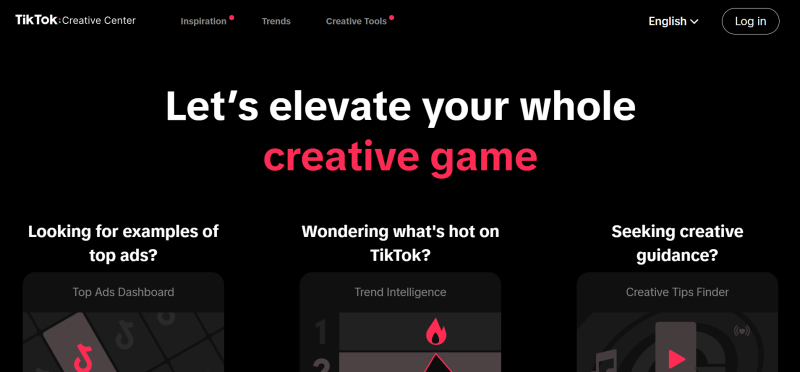
5. TikTok Creative Center — Ad Creative Analysis
The TikTok Creative Center provides official insights into trending content and ad creatives to help brands understand platform trends.
Key Features:
- Break down narrative structures and copy of popular videos
- Track content trends and user preferences by country
- Analyze high-engagement ad features
Usage Tips: Review trending content weekly, extract reusable creative elements, and adapt them to local market preferences.
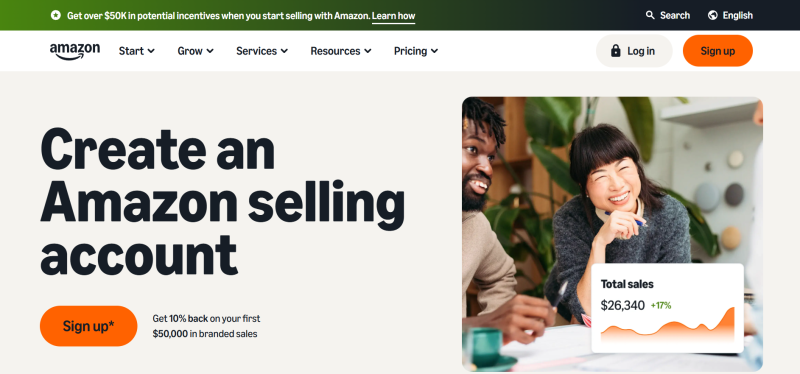
6. Amazon Seller Central — Seller Management Platform
Amazon Seller Central is the official management platform for all store operations.
Key Features:
- Product listing, order management, and customer service
- Advertising and sales reporting
- Inventory and logistics management
Usage Tips: Establish key metrics monitoring, focus on ad ROI, inventory turnover, and customer feedback, and adjust strategies promptly.
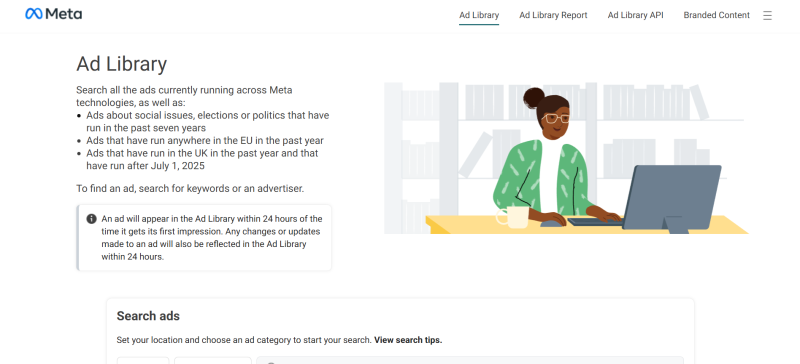
7. Meta Ads Library — Advertising Transparency Tool
Meta Ads Library lets you view all active ads on Meta platforms.
Key Features:
- View competitors’ current ads
- Analyze long-term brand communication and creative strategy
- Compare ad creatives across regions
Usage Tips: Study top brands’ ad strategies regularly, analyze audience targeting and creative iteration, and apply insights to optimize your own campaigns.
8. Canva — Online Visual Design Platform
Canva offers easy-to-use design tools and templates, supporting multi-language and team collaboration.
Key Features:
- Rich templates and editing features
- Brand guideline management and multi-language support
- Team collaboration and workflow management
Usage Tips: Create a brand template library to maintain consistent visual style and improve content production efficiency, especially for multi-account social media operations.

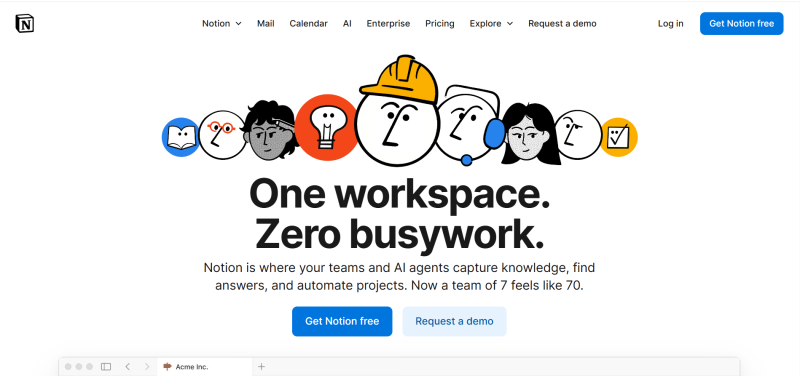
9. Notion — Team Collaboration and Knowledge Management
Notion integrates documentation, project management, and knowledge storage in one platform.
Key Features:
- Standardize SOPs and document management
- Track product research and advertising performance
- Organize team knowledge and collaboration
Usage Tips: Build a knowledge base for cross-border operations, systematically record successful and failed cases, and optimize team performance.
10. FlashID — Multi-Account Security Management
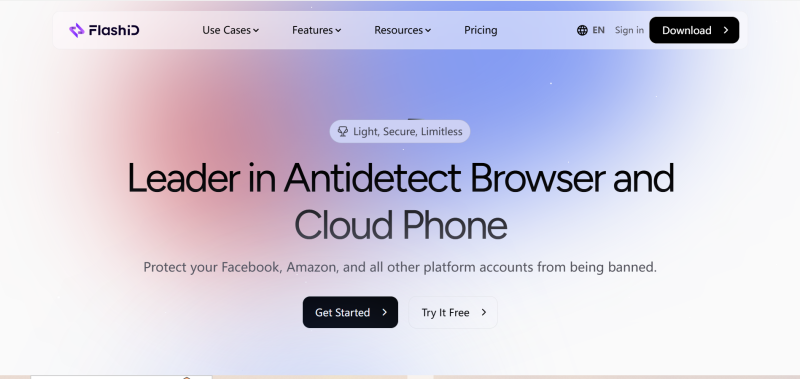
FlashID is a professional anti-detect browser designed for cross-border businesses, offering account isolation and secure operation solutions.
Key Features:
- Create a separate browser environment for each account
- Prevent account linking and fingerprint tracking
- Support team collaboration and permission management
Usage Tips: Assign dedicated browser environments for different platform accounts, set usage rules, and ensure consistent operations to reduce the risk of account bans.
Practical Applications of Each Tool
To give you a clear overview, the following table highlights each tool’s main purpose, key advantages, and the platforms where they are most effective.
| Tool/Website | Use Case | Key Advantages | Platforms |
|---|---|---|---|
| Google Trends | Market trend analysis | Real-time global data, free | All |
| Similarweb | Competitor analysis | Comprehensive traffic data | All |
| Ahrefs | SEO & content analysis | Large keyword database | Websites/Content |
| Shopify | Independent store management | Complete e- commerce solution | E-commerce |
| TikTok Creative Center | Ad creative analysis | Official, real-time data | TikTok |
| Amazon Seller Central | Store operations | Official platform, comprehensive | Amazon |
| Meta Ads Library | Ad competitor analysis | Free, transparent | Meta |
| Canva | Visual design | Easy to use, many templates | Cross-platform |
| Notion | Team collaboration | Highly customizable, integrated | All |
| FlashID | Multi-account management | Secure isolation, team collaboration | Multi-platform |
After reviewing the key features and applications of each tool in the table, we can see how they work together to form a complete and efficient cross-border operation system.
Conclusion
For cross-border sellers, core competitiveness does not come from the number of tools used, but from integrating them into a sustainable and efficient operational system. In 2026, success in cross-border e-commerce depends on understanding, compliance, efficiency, and long-term strategy. Knowing how to use these tools together to create a closed-loop operation is more important than using any single tool. The tables and rankings provide quick references, but the real advantage comes from applying these tools effectively in business operations.
FAQ (Frequently Asked Questions)
1.Q: Why do I need so many different tools for cross-border e-commerce?
A: Each tool serves a specific purpose, from market research and product selection to advertising, content, and multi-account management. Using the right combination ensures a complete and efficient operational system rather than relying on one tool alone.
2.Q: How can I choose which tool to use first?
A: Start by identifying the most critical stage for your business. For example, if you’re exploring new products, begin with Google Trends and Similarweb. If your store is set up, focus on Shopify, TikTok Creative Center, and Amazon Seller Central. Tools should support your current business priorities.
3.Q: Can I manage multiple accounts safely without getting banned?
A: Yes. Tools like FlashID provide separate browser environments and anti-detection features, reducing the risk of account linking and bans. Always follow consistent account management practices.
4.Q: Are these tools suitable for all platforms?
A: Some tools are platform-specific (e.g., Amazon Seller Central for Amazon, TikTok Creative Center for TikTok), while others like Google Trends, Similarweb, Notion, and Canva are cross-platform and applicable across most sales channels.
5.Q: How often should I use these tools?
A: It depends on your operations stage. For market trends and competitor analysis, weekly monitoring is recommended. SEO, content tracking, and advertising analysis can be done bi-weekly or monthly. Team collaboration and knowledge management platforms like Notion should be updated continuously.
You May Also Like