In 2026, the advertising industry has entered a highly systematic stage. Whether you are a brand owner, media buyer, growth lead, or a cross-border advertising team, the real differentiator is no longer simply “knowing how to run ads.” What truly matters is whether you have a stable, efficient, and replicable toolset.
This article systematically reviews the 10 essential tools for advertisers in 2026 from three perspectives: platform tool ranking, quick comparison table, and multi-account & advanced usage recommendations.
10 Essential Tools for Advertisers
1. Google Ads
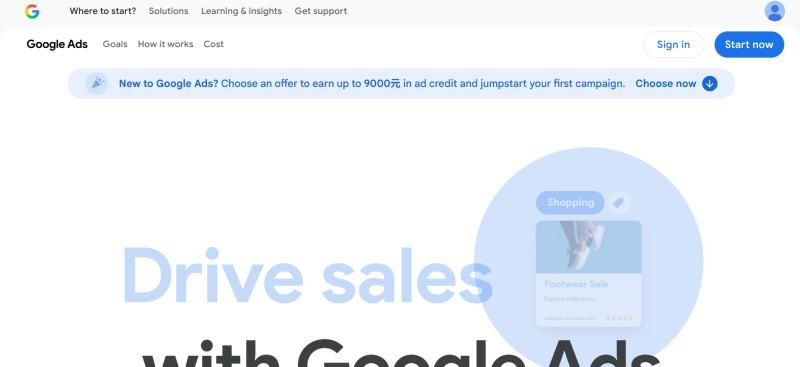
In 2026, Google Ads remains the most reliable platform in the advertising industry. Unlike interest-based recommendation platforms, Google Ads’ essence lies in users’ explicit intent. Search ads, Shopping ads, and YouTube ads continue to be core channels for high-value, high-conversion businesses. With the maturity of Performance Max and AI bidding systems, Google Ads is better suited for long-term campaign management rather than short-term experimentation.
Key Advantages
- High-intent search traffic
- Mature and stable conversion models
- Strong data integration and ecosystem support
Target Users
- Cross-border e-commerce
- SaaS / B2B businesses
- Local service advertisers
Pricing / Subscription
- Pay-per-click / pay-per-conversion
- No fixed subscription fee
2.Meta Ads
Even under increasingly strict privacy policies, Meta Ads remains a creative-driven advertising hub in 2026. Its advantage is no longer just “precise targeting” but also strong creative learning and scaling capabilities. As long as creatives are continuously updated, Meta remains one of the easiest platforms to scale campaigns.
Key Advantages
- Powerful algorithmic learning
- Continuous delivery via Reels and Instagram
- Ideal for rapid creative testing
Target Users
- DTC brands
- Social e-commerce
- Content-driven ad teams
Pricing
- CPM / CPC / CPA
3. TikTok Ads
In 2026, TikTok Ads has evolved from a “viral platform” into a complete content growth engine. Short video ads no longer serve only as exposure tools—they now cover the full path from awareness, conversion, to repurchase. For new brands or product tests, TikTok remains the fastest way to validate market feedback.
Key Advantages
- Strong algorithmic recommendation
- Relatively low barrier for cold-start campaigns
- Mature Spark Ads and influencer ecosystem
Target Users
- New brand launches
- Fast-moving consumer goods
- Content-driven ad teams
Pricing
- CPM / CPC / CPA
4. Canva
In 2026, with the acceleration of advertising cycles, Canva has become a core infrastructure tool for ad teams. Its value lies not in “design aesthetics,” but in enabling teams to rapidly produce a large volume of creative assets, ideal for high-frequency testing.
Key Advantages
- Extremely easy to learn
- Massive template library
- Supports collaborative work
Target Users
- Small to medium ad teams
- Independent advertisers
Pricing
- Free / Pro subscription
5. ChatGPT
By 2026, ChatGPT is no longer an “optional bonus” but a fundamental production tool for advertisers. From ad copywriting, landing page structure, to pain-point analysis and testing ideas, ChatGPT significantly reduces planning and experimentation costs.
Key Advantages
- Quickly generates ad copy and creative directions
- Supports multiple languages and localization
- Can be combined with campaign data for optimization
Target Users
- Copywriters
- Media buyers
- Growth teams
Pricing
- Free / Subscription
6. Ahrefs
By 2026, the boundary between advertising and content is increasingly blurred. Ahrefs is no longer just an SEO tool—it is a crucial source of data for advertisers to assess market demand and analyze competitor strategies. Many mature teams use Ahrefs before campaigns to evaluate: market potential, competitor content strategy, and keywords with dual “ad + content” value.
Key Advantages
- Powerful keyword and competitor analysis
- Reverse-engineer competitors’ content and strategy
- Ideal for pre-campaign decision-making
Target Users
- Content-driven ad teams
- B2B / SaaS advertisers
Pricing
- Subscription (mid-to-high tier)
7. SimilarWeb
SimilarWeb is the market “health check” tool for advertisers. Before entering a new market or industry, it helps quickly evaluate whether there is genuine growth potential.
Key Advantages
- Estimates overall website traffic
- Analyzes traffic sources
- Provides industry and competitor comparisons
Target Users
- Market analysts
- Cross-border advertising teams
Pricing
- Free / Enterprise subscription
8. Hotjar
In 2026, advertisers increasingly realize that poor conversion is often a landing page issue, not just a campaign issue. Hotjar provides heatmaps, scroll analysis, and user recordings, giving advertisers real insight into user behavior and actionable guidance for conversion optimization.
Key Advantages
- Click and scroll heatmaps
- User behavior recordings
- Quickly identifies conversion bottlenecks
Target Users
- Media buyers
- CRO (conversion rate optimization) teams
- Product managers
Pricing
- Free / Subscription
9. Notion
With so many tools in 2026, systematic management has become a scarce skill. Notion enables teams to centralize ad plans, assets, data, and SOPs, preventing fragmented workflows.
Key Advantages
- Ad project and progress management
- Unified storage for assets and copy
- SOP and workflow consolidation
Target Users
- Advertising teams
- Agencies
- Medium to large marketing teams
Pricing
- Free / Team subscription
10. Midjourney
Midjourney’s value in advertising is not to replace designers, but to explore creative directions and test visual concepts. AI-generated visuals enable advertisers to test multiple styles early on, reducing creative trial-and-error and increasing asset hit rate.
Key Advantages
- High-quality visual generation
- Ideal for concept testing
- Enhances creative efficiency
Target Users
- Creative strategists
- Ad designers
- Content-driven ad teams
Pricing
- Subscription
Quick Comparison Table
| Tool | Main Use | Ease of Use | Cost |
|---|---|---|---|
| Google Ads | Search conversion | ⭐⭐⭐ | $$ |
| Meta Ads | Social campaigns | ⭐⭐ | $ |
| TikTok Ads | Short video campaigns | ⭐⭐ | $ |
| Canva | Creative production | ⭐ | Free / $ |
| ChatGPT | Copywriting & strategy | ⭐ | Free / $ |
| Ahrefs | Market & competitor analysis | ⭐⭐⭐ | $$$ |
| SimilarWeb | Traffic intelligence | ⭐⭐ | $$ |
| Hotjar | Conversion optimization | ⭐⭐ | $ |
| Notion | Project management | ⭐ | Free / $ |
| Midjourney | Creative generation | ⭐⭐ | $$ |
FlashID Anti-Detect Browser: Multi-Account and Advanced Usage Recommendations
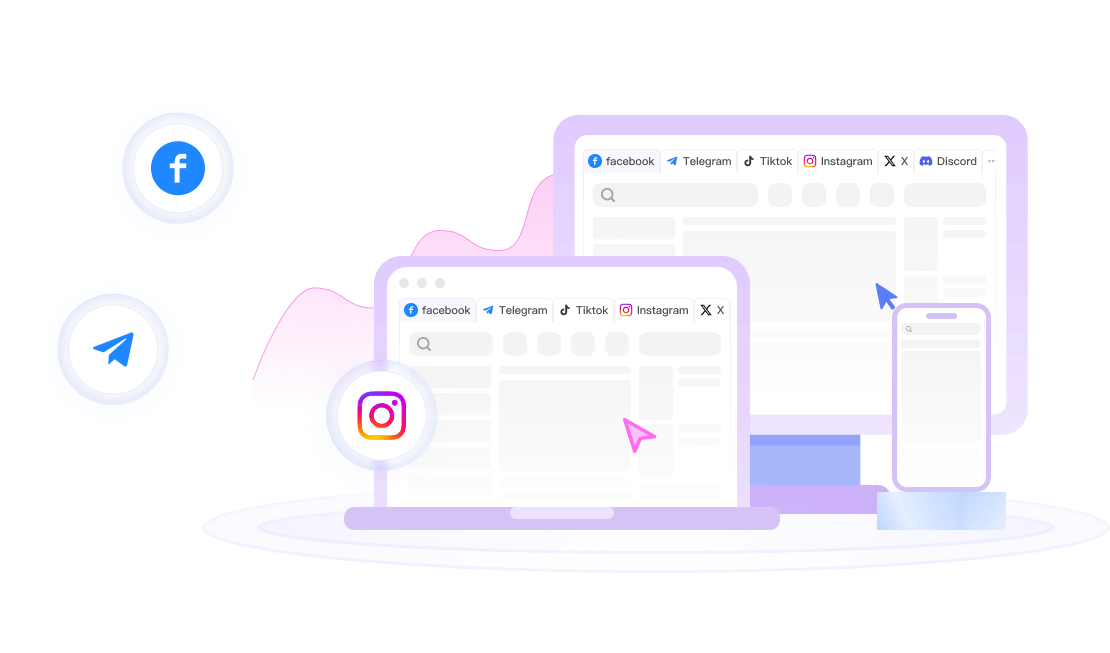
In 2026, multi-platform and multi-account campaigns have become the norm, but platform risk-control systems have also advanced. Instead of judging accounts individually, platforms now analyze browser fingerprints, device environments, and network behavior. Even compliant accounts may be flagged if the environment is highly similar.
Common risks include repeated browser fingerprints, correlated IPs or devices, and team members logging into multiple accounts from the same environment. These are structural risks in multi-account operations rather than occasional mistakes.
The most reliable approach is to use FlashID anti-Detect Browsers to create independent browser environments for each ad account, combined with distinct fingerprints and network settings. This reduces account association at the system level.
Core Advantages:
- Independent fingerprints and environments for each account, lowering the risk of platform detection
- Supports parallel multi-account operations, suitable for team collaboration and scaling
- Positions account security as a fundamental infrastructure rather than a reactive measure
- Helps maintain stability and controllability for long-term campaigns
For experienced advertisers, isolating multi-account environments is no longer a “technique” but a necessary operational capability.
Conclusion
By 2026, competition in advertising is no longer just about “running ads” but about using tools, analyzing data, and ensuring account security. The 10 tools reviewed—from ad platforms, creative production, and data analysis to multi-account security—form a complete toolkit every advertiser needs.
Mastering these tools and using them in combination not only boosts efficiency and creative output but also reduces multi-account operational risks, enabling sustainable, long-term growth. For teams pursuing scale and professionalism, building this toolkit is a foundation, not an option.
FAQ (Frequently Asked Questions)
1.Q: What are the must-have advertising tools in 2026?
A: In 2026, advertisers need a combination of platforms, creative tools, data analytics, and multi-account management solutions. Key tools include Google Ads, Meta Ads, TikTok Ads, Canva, ChatGPT, Ahrefs, SimilarWeb, Hotjar, Notion, and Midjourney.
2.Q: How do I manage multiple advertising accounts safely?
A: Using FlashID anti-detect browser allows each account to run in an independent browser environment with unique fingerprints and network settings. This reduces the risk of account association and platform restrictions.
3.Q: Which tools help with ad creative production and testing?
A: Canva and Midjourney are ideal for creating and testing ad creatives quickly. Canva provides ready-made templates and collaboration features, while Midjourney enables AI-driven visual concept exploration.
4.Q: How can I analyze market demand and competitors before running campaigns?
A: Tools like Ahrefs and SimilarWeb provide keyword analysis, competitor insights, traffic data, and industry comparisons. They help advertisers make informed decisions and optimize campaign strategy before launch.
5.Q: Are AI tools like ChatGPT useful for advertising?
A: Yes, ChatGPT has become a fundamental production tool for ad copywriting, landing page structuring, user pain-point analysis, and campaign testing ideas. It helps reduce planning time and trial-and-error costs.
You May Also Like