In 2026, the global gaming industry is entering a new stage. With the maturation of AI technology, the widespread adoption of cross-platform experiences, and the deepening of service-based business models, games are no longer just content products but are gradually evolving into long-term digital ecosystems. In this context, the positioning, advantages, and competitive strategies of different gaming platforms have also become clearly differentiated.
This article first summarizes the core trends in the 2026 gaming industry, then systematically reviews the top 10 most influential gaming platforms, and explains how players and teams can securely manage accounts using FlashID anti-detect browser, helping you quickly understand industry directions and platform landscapes.
Five Core Trends in the 2026 Gaming Industry
- Games as a Service: Buy-to-own is no longer the only option. Subscription-based services, season passes, and ongoing updates have become mainstream, with companies focusing more on user retention and lifetime value.
- Cross-Platform Experiences: PC, console, and mobile are interconnected. Players want the same account and progress across multiple devices. This drives cloud saves, unified accounts, and cross-platform multiplayer.
- AI Integration: AI is used for level design, NPC behavior, content generation, and testing/balancing, lowering development barriers and accelerating iteration.
- UGC and Social Enhancement: Players not only play games but also create content, participate in communities, and interact socially.
- Platform Competition Evolves into Ecosystems: The focus has shifted from exclusive games to developer ecosystems, creator incentives, revenue sharing, and long-term user engagement.
Top 10 Mainstream Gaming Platforms in 2026
As the gaming industry moves toward cross-platform and ecosystem development, gaming platforms have become the core infrastructure connecting players, developers, content, and services. The following platforms not only dominate in user scale but also deeply shape the business model, technological direction, and industry influence in 2026.
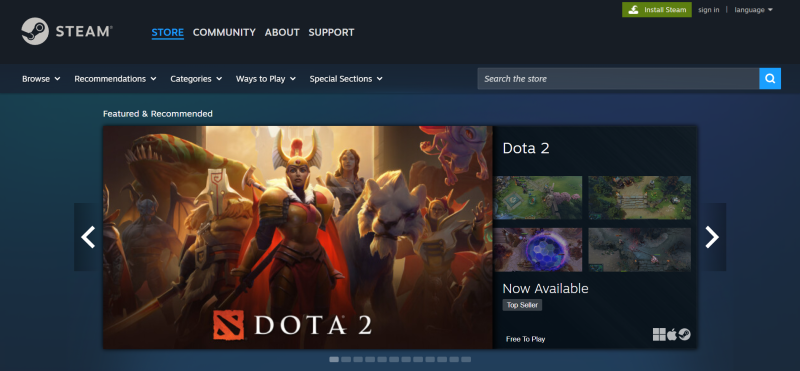
1.Steam (PC Digital Platform)
Steam is the largest PC game distribution platform globally, covering AAA titles, indie games, and mod content. Users can download, install, and update games directly, while participating in community discussions, Steam Workshop, and user review systems. Suitable for players who enjoy trying different types of games and value community interaction.
Advantages
- Large user base, mature community
- Supports mods and Steam Workshop
- Friendly to indie games
- Discounts and events drive consumption
Disadvantages
- High platform revenue share
- Intense competition for new game exposure
Business Model / Pricing
- Users: Free to use
- Developers: ~30% platform share
2. Mobile Platforms (iOS & Android)
Mobile platforms are the main publishing and distribution channels for mobile games, supporting free-to-play games, in-app purchases, and advertising. They offer casual, strategy, RPG, and other genres, with frequent updates and a wide user base. Suitable for players who want to play anytime, anywhere, and enjoy diverse gameplay.
Advantages
- Broad user base
- Mature monetization model
- Strong data-driven operational capabilities
Disadvantages
- High user acquisition cost
- Content homogeneity
Business Model / Pricing
- Free download + in-app purchases / ads
- Developer share: ~15%–30%
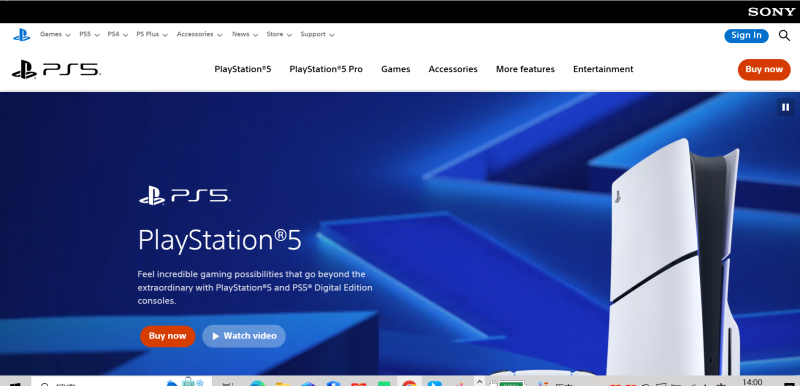
3. PlayStation 5 / PlayStation Network
PlayStation provides high-quality console games and exclusive content, including AAA and immersive titles. It has mature online services and social features, supporting multiplayer and content downloads. Suitable for core players and users who value graphics and story-driven experiences.
Advantages
- Strong exclusive titles
- High player willingness to pay
- High brand loyalty
Disadvantages
- High hardware and development costs
- Limited support for indie developers
Business Model / Pricing
- Console buy-to-own
- PS Plus subscription (monthly / yearly)
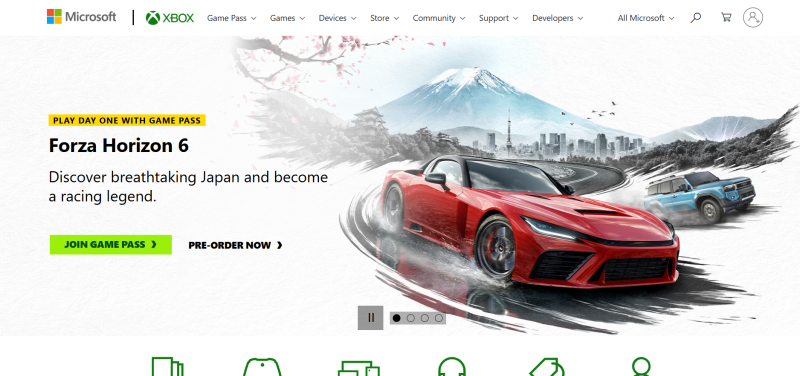
4. Xbox Platform + Xbox Game Pass
Xbox combines console and PC game resources. Game Pass offers subscription-based access to a large library of games. Supports cross-platform progress synchronization and multiplayer experiences. Suitable for players who want to try multiple games flexibly.
Advantages
- Game Pass cost-effective
- Integration across PC and console
- Helps new games gain exposure
Disadvantages
- Console sales pressure
- Subscription model may dilute revenue for individual games
Business Model / Pricing
- Game Pass monthly subscription
5. Nintendo Switch 2 / Nintendo eShop
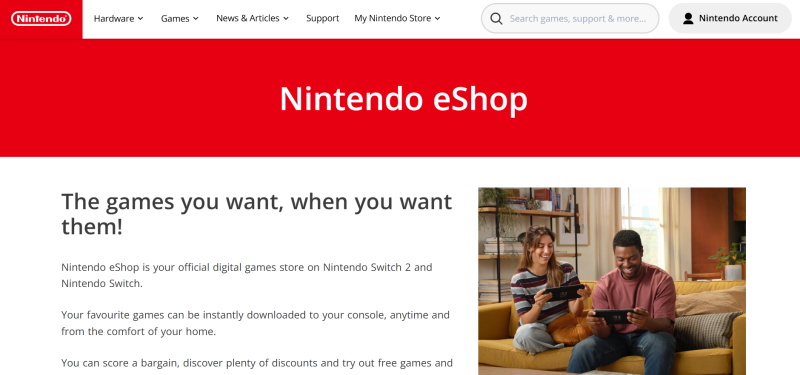
Switch 2 supports handheld and console modes, offering rich exclusive titles and all-ages games. eShop provides game downloads, in-app purchases, and updates. Suitable for casual players, families, and those who prefer light gaming experiences.
Advantages
- Strong exclusive IPs
- High user engagement
Disadvantages
- Conservative hardware performance
- Limited support for third-party AAA titles
Business Model / Pricing
- Console buy-to-own
- Game purchase buyout
6. Epic Games Store
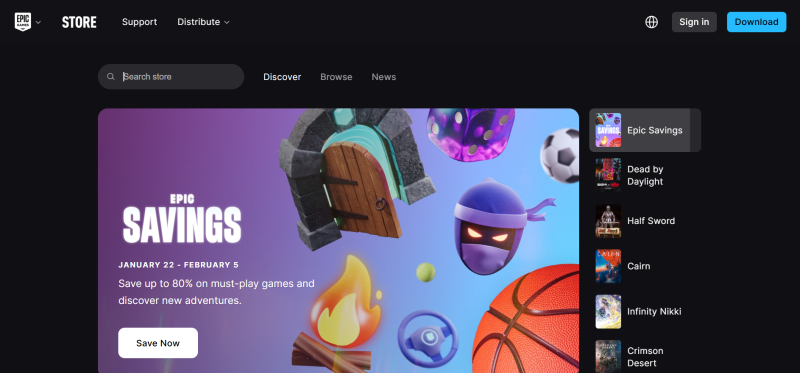
Epic provides PC game digital distribution. Low revenue share and regular free games attract users and developers. Supports mainstream titles and deep integration with the Unreal Engine ecosystem. Suitable for players focusing on new games and developers seeking favorable terms.
Advantages
- Low developer revenue share
- Free games attract new users
Disadvantages
- Weak community features
- User loyalty can be unstable
Business Model / Pricing
- Developer revenue share: ~12%
7. Cloud Gaming Platforms
Cloud gaming runs games on remote servers and streams them to player devices. No high-end hardware is required, and it supports multi-device access and cross-platform progress. Suitable for players who want to save hardware costs and play anywhere.
Advantages
- Cross-device experience
- Hardware-independent
Disadvantages
- Network quality limits performance
- Latency and graphics quality remain constrained
Business Model / Pricing
- Subscription or service-based
8. App Store & Google Play (Platform Infrastructure)
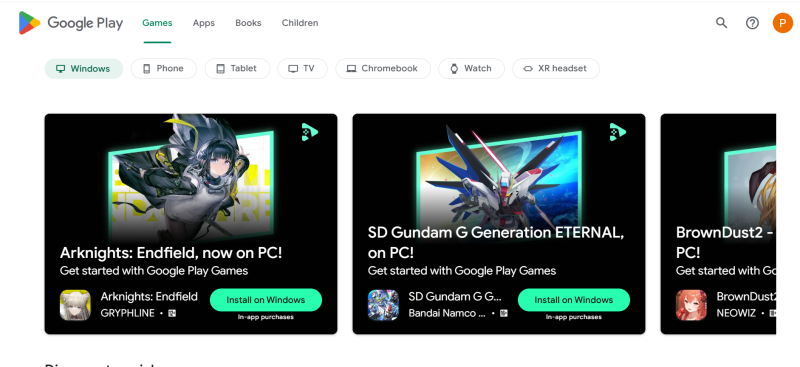
App Store and Google Play are the main distribution channels for mobile games, handling downloads, installation, updates, in-app payments, and user reviews. Cover almost all mobile game types and provide rankings, recommendations, and safety audits. Suitable for all mobile gamers and developers.
Advantages
- Global coverage, huge user base
- Mature payment system; in-app purchases and subscriptions convenient
- Supports data analytics and user operations
Disadvantages
- Strict platform rules; review and policies may affect release speed
- High competition; new games exposure difficult
Business Model / Pricing
- Developer revenue share: ~15%–30%
- Users mainly free download + in-app purchase or ads
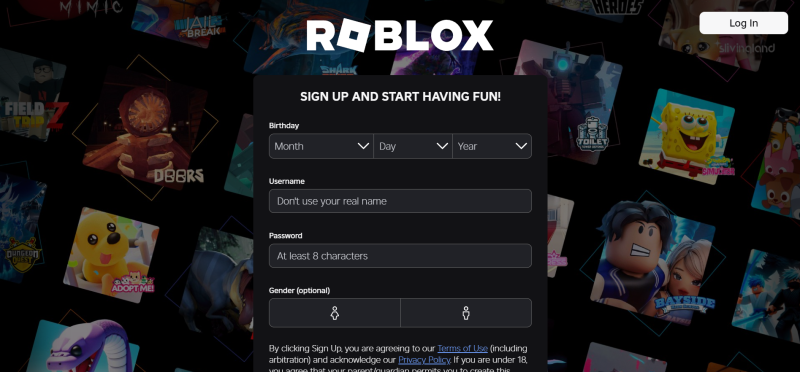
9. UGC / Social Gaming Platforms(Roblox, Fortnite Creative)
Players can create, share, and experience user-generated content while engaging socially. Supports multiplayer, content trading, and creator economy. Suitable for players who enjoy creation, socializing, and exploring diverse gameplay.
Advantages
- Active community
- Mature creator ecosystem; revenue opportunities
- Diverse and continuously updated content
Disadvantages
- Variable content quality
- Complex revenue sharing
- Not fully friendly to traditional developers
Business Model / Pricing
- Free for creation and play
- Revenue via virtual currency and creator share
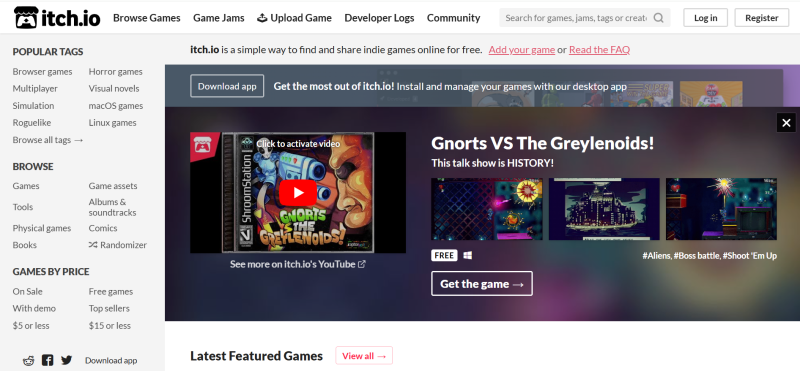
10. Indie Platforms(Itch.io)
Focused on indie developers and niche creative works, offering flexible pricing and revenue sharing to encourage innovative and experimental content. Suitable for players seeking unique experiences and following creators.
Advantages
- High freedom
- Encourages innovation and experimentation
- Friendly community
Disadvantages
- Limited user base
- Weak monetization
- Exposure depends on external channels
Business Model / Pricing
- Flexible pricing and revenue share
- One-time purchase or donation-based
2026 Mainstream Gaming Platforms Quick Comparison Table (At a Glance)
| Platform | User Base | Monetization | Exclusive Content | Indie Support | Typical Model |
|---|---|---|---|---|---|
| Steam | ✅ | ✅ | ⚠️ | ✅ | Buyout / Discounts |
| iOS / Android | ✅ | ✅ | ❌ | ⚠️ | Free+ IAP |
| PlayStation | ⚠️ | ✅ | ✅ | ❌ | Buyout+ Subscription |
| Xbox / Game Pass | ⚠️ | ✅ | ⚠️ | ✅ | Subscription |
| Nintendo | ⚠️ | ✅ | ✅ | ❌ | Buyout |
| Epic Games | ⚠️ | ⚠️ | ⚠️ | ✅ | Low revenue share |
| Cloud Gaming | ⚠️ | ⚠️ | ❌ | ⚠️ | Subscription / Service |
| Roblox / UGC | ⚠️ | ⚠️ | ❌ | ✅ | Creator share |
| Itch.io | ⚠️ | ❌ | ❌ | ✅ | Flexible pricing |
Account Management and Security: FlashID in the Gaming Ecosystem
With the deepening cross-platform and service-based trends in 2026, account management and security have become increasingly complex. Multiple platform accounts, cloud saves, subscriptions, and social features exist simultaneously, which may lead to account theft, login restrictions, or regional bans if not handled carefully.
FlashID anti-detect browser provides a professional device fingerprinting and account management solution, helping players and teams:
- Multi-account management: Securely log in across different platforms or devices without frequent logouts
- Identity verification: Reduce the risk of platform bans due to device differences or abnormal logins
- Privacy protection: Effectively isolate account information and reduce data leak risks
For cross-platform players, long-term game operation teams, or users with creative accounts, FlashID improves account efficiency while ensuring security and minimizing restrictions imposed by platform safety policies.
Conclusion
Competition among gaming platforms in 2026 is essentially a battle for user time, creator relationships, and long-term ecosystem control. Understanding trends and platform differences, while mastering tools like FlashID anti-detect browser for secure and efficient account management, is key to entering or continuing to thrive in the gaming industry.
Frequently Asked Questions (FAQ)
1.Q: What are the key trends in 2026 gaming?
A: Games as a service, cross-platform experiences, AI integration, UGC/social features, and platform ecosystems.
2.Q: Which platforms lead the market?
A: Steam, iOS/Android, PlayStation, Xbox + Game Pass, Nintendo Switch, Epic Games Store, Cloud Gaming, App Store & Google Play, Roblox/Fortnite Creative, and Itch.io.
3.Q: How do business models differ?
A: PC/console: buy-to-own or subscriptions; Mobile: free-to-play with IAP/ads; UGC/social: free + virtual currency; Indie: flexible pricing or donations.
4.Q: What challenges do players face?
A: Managing multiple accounts, syncing progress, and avoiding bans due to unusual logins.
5.Q: How does FlashID help?
A: Secure multi-account login, identity verification to reduce platform bans, and privacy protection.
6.Q: Who benefits from FlashID?
A: Cross-platform players, game teams, and UGC/creative account users.
7.Q: What drives platform competition?
A: User engagement, creator relationships, and long-term ecosystem strength.
You May Also Like