In recent years, with the increasing popularity of sustainable living and changes in the economic environment, second-hand resale platforms have been booming globally. Vinted reselling has helped millions of users declutter their wardrobes and earn extra income. But by 2026, is this platform still a wise choice for resellers? In this article, we will rationally analyze the actual value of Vinted reselling in 2026 from four perspectives: platform rule changes, market competition, actual earnings, and future trends.
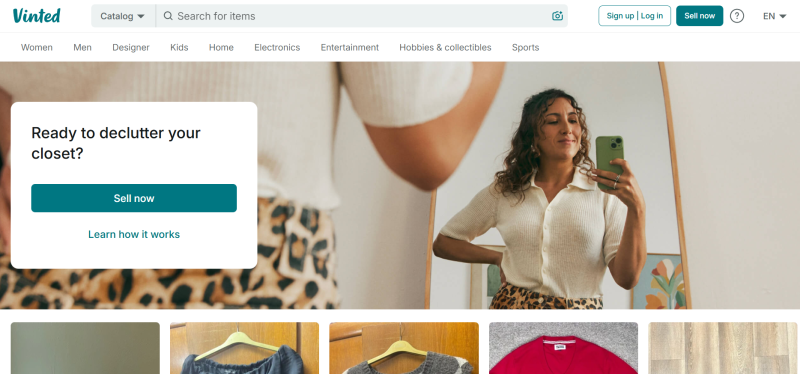
Vinted Platform Rule Changes in 2026
Evolution of the Fee Structure
From 2023 to 2026, Vinted’s fee structure has undergone several adjustments. The current platform policies in 2026 are as follows:
- Buyer protection fee: fixed at 5%-8% of the item price (depending on the category)
- Transaction fee: from 2024, transactions over €500 incur an additional 1%-3% fee
- Withdrawal fee: still free, but processing time has increased to 2–5 business days
- Value-added service fees: fees for services such as “bump listings” or promotion packages have risen by 15%-20%
Impact analysis: Overall transaction costs have increased by about 2%-3% compared to 2023, which has a greater effect on sellers with low-priced items.
Increased Seller Responsibilities
- Verified seller program: high-volume sellers (monthly sales over 50 items) must provide business registration information
- Return policy changes: buyers now have 48 hours (previously 24 hours) to inspect items and request returns
- Sustainability labels: the platform requires more detailed information about item materials and origins
Market Competition: Is Vinted Still the Best Choice?
Comparison of Major Second-Hand Platforms in 2026
| Platform | Main Market | Seller Fees | Suitable Items |
|---|---|---|---|
| Vinted | Europe | Low–Medium | Mainstream fashion |
| Depop | UK & US | Medium | Niche, trendy items |
| Vestiaire | Global | High | Luxury items |
| Local Platforms | Local | Low or none | Everyday goods |
When it comes to Vinted reselling, understanding how it compares to other second-hand platforms helps sellers make informed decisions.
Vinted still holds a scale advantage in mainstream fashion, but competition in high-end and niche markets is intensifying.
Actual Earnings and Account Environment Management: Key Factors Affecting Profitability
Seller Earnings by Type (Reference)
Based on feedback and experiences from seller communities between 2024 and 2026, Vinted reselling earnings are approximately:
- Personal declutter sellers: €50–€300 per month
- Side-hustle resellers: €300–€1,000 per month
- High-frequency or large-scale operators: over €1,500 per month, while facing stricter risk controls
⚠️ These figures are based on community experiences and seller feedback for reference only. Actual earnings depend on item type, operational methods, market demand, and account status.
Hidden Risks and Account Environment Management (Including FlashID Anti-detect Browser Solution)
Beyond item selection and platform fees, account stability and operational environment have become critical factors for sustainable Vinted reselling. The platform monitors whether devices or browser fingerprints change frequently, whether login IPs are unstable, whether multiple accounts are linked, and whether operational behavior is too regular. Experienced sellers typically treat accounts as long-term assets, using independent browser environments for each account, avoiding frequent changes of devices and networks, and prioritizing long-term account stability to reduce the risk of triggering platform controls.
In this context, some sellers use FlashID anti-detect browser to optimize account management:
- Creating isolated browser environments for different accounts
- Reducing the risk of linking browser fingerprints and device information
- Helping sellers manage multiple accounts more systematically
Although FlashID cannot bypass platform rules or guarantee that an account will never be banned, it can reduce the risk of triggering controls due to abnormal environments, allowing sellers to focus more on item selection and operations. It is suitable for long-term, multi-account operators with high stability requirements, while single-account, low-frequency declutter sellers or those with low expected earnings may not need it.
Future Trends and Reselling Outlook
- Stricter rules and risk controls: high-volume seller verification and return policies may become stricter, increasing operational compliance requirements
- More segmented market competition: mainstream fashion remains advantageous, but high-end and niche trendy markets are increasingly occupied by other platforms
- Account environment increasingly affects earnings: sustainable profits rely more on stable accounts and secure operations, with devices, IPs, and browser fingerprints directly affecting account longevity
Conclusion
Considering platform rules, market competition, earnings, and account risks, Vinted reselling remains a reliable choice for mainstream fashion, especially for sellers who operate long-term and focus on account management. For those seeking short-term high profits or only doing low-frequency declutter sales, returns are limited and risks are higher, so careful evaluation is necessary before investing.
Frequently Asked Questions (FAQ)
1.Q: What are the main fees on Vinted in 2026?
A: The main fees include a buyer protection fee (5%-8%), a transaction fee (1%-3% for transactions over €500), free withdrawals with longer processing times (2–5 business days), and increased costs for value-added services such as “bump listings” or promotion packages (up about 15%-20%).
2.Q: What additional requirements apply to high-volume sellers on Vinted?
A: High-volume sellers (over 50 items per month) must provide business registration information. The platform also requires more detailed sustainability labels and extends the buyer return inspection period to 48 hours.
3.Q: What are Vinted’s competitive advantages and limitations?
A: Vinted maintains a scale advantage in the mainstream fashion second-hand market, but faces intense competition from platforms like Depop and Vestiaire in high-end and niche markets.
4.Q: What are the typical earnings for Vinted sellers?
A: Personal declutter sellers earn around €50–€300 per month, side-hustle resellers typically earn €300–€1,000, and high-frequency or large-scale operators may earn over €1,500 per month, while also facing stricter risk controls.
5.Q: What factors affect the stability of a Vinted account?
A: Account stability can be influenced by frequent changes in device or browser fingerprints, unstable login IPs, multiple account linkage, and highly regular operational behavior.
6.Q: How can FlashID anti-detect browser help Vinted sellers?
A: FlashID can create isolated browser environments for different accounts, reduce the risk of linking browser fingerprints and device information, and help sellers manage multiple accounts more systematically. However, it cannot bypass platform rules or guarantee an account will never be banned.
7.Q: Is reselling on Vinted worth it in 2026?
A: For long-term sellers who focus on account management, Vinted remains a reliable choice. For those seeking short-term high profits or only doing low-frequency declutter sales, returns are limited and risks are higher, so careful evaluation is necessary.
You May Also Like