Telegram, with its strong privacy protection, end-to-end encryption, and highly flexible group features, has become the preferred platform for community managers and content creators. This explains why people use Telegram over other messaging apps: it provides secure communication, customizable group settings, and the freedom to manage communities effectively. However, many administrators find that even after setting up a group and attracting members, engagement quickly drops. This is usually not the fault of the members, but rather shortcomings in group management, interaction design, and multi-group operation strategies. This article provides a complete guide to improving Telegram group engagement, from problem overview to practical measures, and also introduces the multi-group management tool FlashID anti-detect browser.

Core Reasons for Low Telegram Group Engagement
The main reasons for low group activity can be summarized as follows:
● Unclear group positioning: The group’s goals and topics are not well defined, information becomes messy, and members are unsure where to focus their discussions.
● Lack of rules or chaotic order: Permissions are unclear, advertisements and spam occur frequently, and new members lack guidance.
● Low member participation motivation: There is a lack of low-barrier interaction mechanisms; core members are inactive, and ordinary members follow less, reducing participation willingness.
● Unsustainable management practices: As the group grows, manual management becomes difficult, and running multiple groups or accounts may lead to errors and chaos.
Once these causes are understood, targeted measures can be taken to improve engagement.
How to Boost Engagement in a Telegram Group?
To maintain long-term engagement, administrators should focus on group structure, interaction design, user segmentation, and multi-group management.
1. Establishing a Solid Group Structure
A stable group structure is the foundation of engagement. Administrators can focus on permission management, pinned messages, and anti-spam strategies.
Permission management: By setting temporary posting restrictions for new members, clearly dividing administrator responsibilities, and controlling overall posting freedom, spam and advertisements are prevented while normal discussions are maintained.
Pinned messages and group announcements: Pinned messages clearly explain the group’s goals and value, guide new members through initial steps such as self-introductions or checking resources, and are updated regularly to keep information fresh.
Anti-spam and advertisement strategies: Advertising is handled privately whenever possible, with clearly defined allowed and prohibited actions to maintain a clean and safe discussion environment.
2. Enhancing Engagement Through Interaction Design
Engagement comes from genuine member participation, not just the number of messages. Low-barrier interactions and a consistent rhythm are key to maintaining activity. Administrators can encourage participation by using simple tools such as polls (yes/no or A/B options), asking straightforward questions, or setting fixed weekly topics to create regular discussion opportunities. Daily or weekly scheduled interactions help members develop habits, while core members actively lead discussions and keep content varied to prevent repetition. At the same time, it is important to avoid common mistakes, such as overusing @all tags, faking activity, posting content without responding to members, or having overly long rules that disrupt the flow of discussion.
3. Maintaining Long-Term Engagement Through User Segmentation
A healthy group does not require every member to post frequently, but engagement can be maintained through user segmentation. New members are in an observation phase and need clear guidance; ordinary members participate occasionally; and core members post frequently, driving group discussions. Different levels of members adopt different strategies. New members are guided through automated welcome messages and pinned messages; ordinary members participate through low-barrier interactions and polls; core members enhance their sense of involvement through recognition, content references, and moderate authority. When cultivating core members, administrators should encourage them to initiate high-quality discussions while keeping the group atmosphere positive and healthy.
4. Upgrading Management for Multi-Group Operations
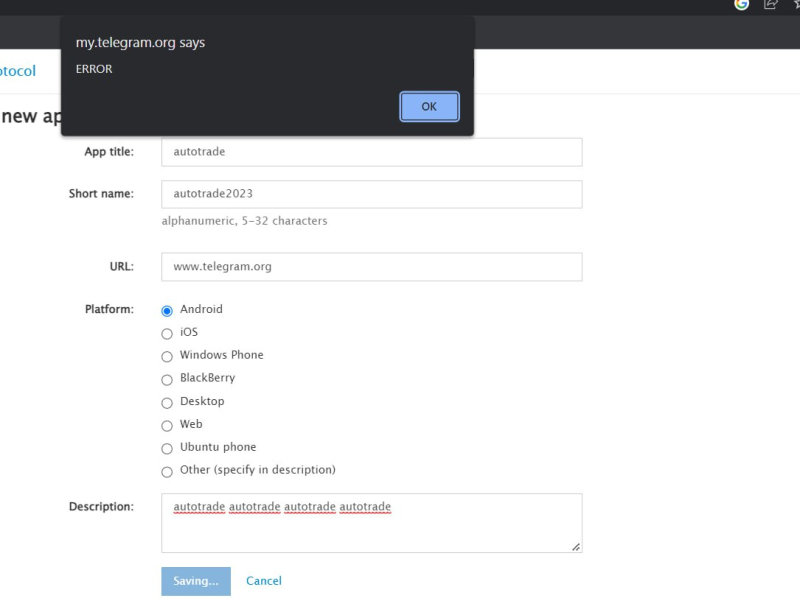
When administrators operate multiple groups or accounts simultaneously, management difficulty increases, manual operations are prone to errors, account links may pose risks, and content timing may be hard to coordinate. Automation often relies on Telegram’s API, but improper setup or excessive requests can trigger Telegram API application errors , potentially restricting account functions.
Automation tools and Bots: Can automatically send welcome messages, schedule reminders of group rules, or post content at set times, reducing repetitive work and improving management efficiency.
Multi-account isolation and FlashID anti-detect browser: When running multiple groups or accounts, the risk of account association is high. Once detected by the platform, this can lead to bans or feature restrictions. FlashID anti-detect browser provides the following benefits:
● Independent environments: Isolates browser fingerprints, cookies, and device information for each account, effectively reducing the risk of account association.
● Multi-account management: Supports simultaneous login and management of multiple accounts, improving efficiency and stability across multiple groups.
● Security assurance: Administrators can safely manage multiple groups, reducing the risk of bans or anomalies.
● Content and engagement maintenance: Ensures consistent content delivery across groups while maintaining engagement levels.
Conclusion
A highly active Telegram group is not about short-term hype, but about clear structure, meaningful interactions, and sustainable management. By implementing reasonable permissions, pinned announcements, low-barrier interactions, user segmentation, and multi-group management strategies, group engagement naturally improves. In multi-group operation scenarios, tools like FlashID anti-detect browser ensure account security and stability, supporting long-term community development. These measures summarize the core objectives of the previous sections and can also be seen as the three key conditions for building a highly engaged group: clear rules, sustainable interactions, and secure management.
Frequently Asked Questions (FAQ)
1.Q: Why do Telegram groups become inactive?
A: Groups often become inactive due to unclear goals, missing rules, low member participation, and unsustainable management practices.
2.Q: How to improve Telegram group engagement?
A: Clear permissions, pinned messages, anti-spam strategies, low-barrier interactions, and user segmentation can all boost engagement.
3.Q: How to avoid Telegram API errors in multi-group management?
A: Improper API setup can trigger telegram api application error. Using tools like FlashID helps isolate accounts and manage multiple groups safely.
4.Q: Why do people use Telegram for communities?
A: Telegram provides privacy, encryption, flexible group settings, and freedom to manage communities effectively, explaining why people use Telegram. 5.Q: How does FlashID anti-detect browser help in multi-group operations? A: FlashID anti-detect browser offers independent environments, supports multiple accounts, reduces ban risks, and ensures consistent content and engagement across groups.
You May Also Like