As TikTok continues to expand as a major channel for cross-border e-commerce, account stability has become a central concern for sellers. Reduced reach, disabled features, or sudden account bans are rarely random. In most cases, they are the result of triggering TikTok’s internal risk control system.
This guide breaks down how that system works, what commonly causes issues, and how to both prevent and recover from account restrictions in a structured way.
Part I Inside TikTok’s Risk Control: What Triggers Restrictions and Why
TikTok doesn’t judge accounts based on a single action. Instead, it looks at a combination of signals to decide whether an account appears authentic, stable, and low-risk over time. Most restrictions can be traced back to three core dimensions:
1. Device environment
TikTok analyzes device fingerprints such as hardware model, operating system, and unique identifiers. When multiple accounts are logged in on the same device, or when the device environment appears modified or inconsistent, the system may flag it as abnormal. This is also where account linkage often begins—accounts sharing the same device setup can be grouped together and penalized simultaneously.
2. Network environment
IP address plays a key role in determining geographic consistency. Using low-quality proxies, shared IPs, or data center IPs increases risk, especially if those IPs already carry prior signals. Frequent IP switching or logging in from different regions within a short time can also trigger security checks, as it breaks the pattern of a “normal” user.
3. Behavior patterns
TikTok closely monitors how an account behaves over time, including posting frequency, engagement actions, content type, and login habits. New accounts that become overly active too quickly—such as posting in bulk, editing profiles repeatedly, or adding external links—are often flagged as promotional or automated. Similarly, repetitive actions, batch operations, or sudden spikes in activity can raise suspicion.
Content itself also plays a role. Duplicate videos, low-quality uploads, or overly commercial material may not only limit reach but also contribute to account risk signals.
In essence, TikTok is trying to determine whether your account behaves like a real, consistent user. Most restrictions happen when your device setup, network environment, and behavior patterns don’t align in a natural way.
Part II The Safe Setup Playbook: Keep Your TikTok Account Clean
Long-term account stability depends heavily on how the environment is configured. Three elements should be managed carefully:
● Device setup Use tools such as anti-detect browser, Cloud Phone, or dedicated mobile devices. Each account should run in its own isolated profile. Avoid switching between accounts within the same environment. In multi-account operations, proper profile isolation is essential.
● Account registration Register accounts using clean devices or devices reset to factory settings. Disable unnecessary location permissions and avoid frequent system-level changes to maintain consistency from the start.
● Network configuration Use stable residential IPs rather than public proxies or data center IPs. Shared or low-quality IP resources often carry inconsistent histories, increasing the chance of detection.
Native static residential IPs are generally more suitable for ongoing operations, as they better match real user network behavior.
Cross-border sellers can use the network proxy and multi-platform environment support provided byFlashID anti-detect browser to obtain a relatively stable and isolated network usage environment. Its residential IP resources cover mainstream markets such as the United States and Japan, and can be matched according to the target region of the account. It also supports independent IP configuration in multi-account scenarios, helping to reduce the risk of association between accounts.
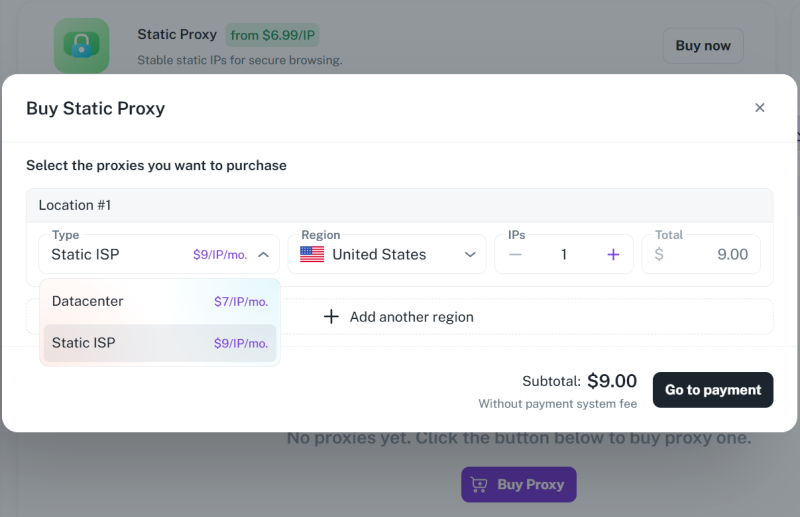
A consistent and realistic network setup remains one of the most important factors in avoiding risk triggers.
Part III Stuck with a Restriction? Your TikTok Recovery Guide
Even with proper setup, issues may still occur. A structured response improves the chances of recovery:
1.Identify the issue type
Check the login notice to determine whether it’s shadowban (low reach), feature restriction, or permanent suspension. Misjudged bans are most recoverable within 24–72 hours.
2.Submit appeals immediately
Start with the in-app appeal. If there’s no response, submit through the web form or email TikTok at feedback@tiktok.com or legal@tiktok.com.
3.Prepare a strong appeal message
- Clearly state account info (username + registered email)
- Explain account purpose (legitimate e-commerce use)
- Clarify possible triggers (IP changes, travel, network fluctuations)
- Emphasize compliance or original content
- Mention corrective actions taken
4.Provide supporting evidence
Upload relevant proof such as:
Original video project files/screenshots; Brand authorization documents; Order or shipping records
5.Improve approval chances
- Submit from the original device (to match device fingerprint)
- Keep tone logical and professional (focus on explanation, not pleading)
- Avoid spamming repeated low-quality appeals
6.Wait and follow up
Allow 1–3 days for review. If needed, send a follow-up with additional details, but don’t submit excessively.
7.If recovery fails, rebuild properly
- Clean device environment (reinstall app, clear data, reset device ID)
- Use a clean, dedicated residential IP
- Warm up new account for 3–5 days before posting
- Avoid linking new accounts to previously flagged environments
Conclusion
TikTok’s risk control system is structured and predictable once its core signals are understood. Most account issues can be traced back to inconsistencies in environment or behavior.
Stable accounts are built on consistent setups, realistic usage patterns, and gradual growth. With the right foundation in place, it becomes much easier to maintain reach, avoid disruptions, and scale effectively over time.
If you’d like to learn more about Tiktok operations and stay updated with practical insights, feel free to join our community.
You May Also Like