From “Which Game to Play” to “Which Platform to Stand On”, by 2026, the game industry has clearly entered a new stage: long-term competitiveness is no longer determined by a single title, but by platforms, tools, and ecosystems. Cloud gaming, subscription models, cross-platform play, UGC, and AI-assisted development are happening simultaneously, all pointing to one result — games are evolving from “products” into continuously running service systems.
This article will analyze the Top 10 representative platforms in the 2026 game industry from the perspective of platforms and tools, providing actionable judgments rather than superficial commentary.
Top 10 Game Platforms / Tools in 2026
Ranking Criteria: Ecosystem maturity × Industry influence × 3–5 year future certainty. This list focuses on platform value, rather than short-term hit performance.
1. Steam
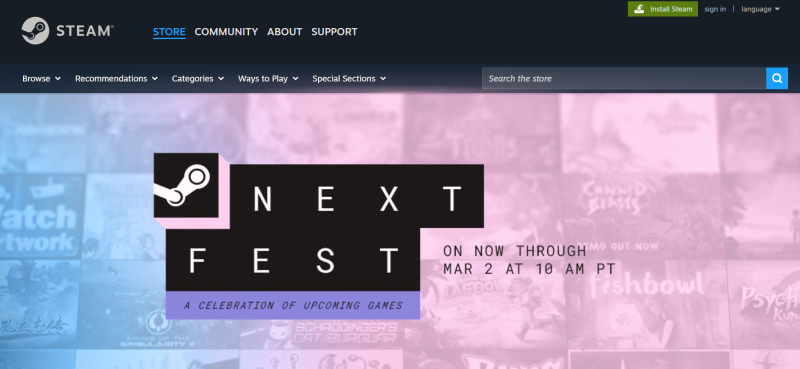
By 2026, Steam is no longer just a PC game store; it has become the default infrastructure of the entire PC gaming industry. Steam’s true strength is not “large user base” but in creating a self-sustaining content system: exposure → wishlist → early access → community → mods → long-tail sales. This means even non-blockbusters can survive long-term if product quality is sufficient.
Core Advantages
- Largest global PC game user base
- Distribution system supporting both indie and AAA games
- Mods and community greatly extend lifecycle
Limitations
- Highly competitive traffic; cold start for new games is difficult
- Revenue sharing can still pressure small teams
Who It’s Suitable For
- Core PC gamers
- Indie developers targeting global release
- Projects with long-term update plans
2. Mobile Game Platforms (iOS / Android)
By 2026, mobile platforms have fully moved past the “make a simple mini-game and go viral” era. They have become highly industrialized, data-driven, operations-focused commercial systems. The essence of mobile competition is now a systemic confrontation between retention models, monetization paths, and user acquisition efficiency.
Core Advantages
- Largest global user scale
- Mature monetization (IAP / ads / subscriptions)
- Highly integrated with social and content platforms
Limitations
- Rising user acquisition costs
- Platform rules and review processes are uncontrollable
- High operational and data capability requirements
Who It’s Suitable For
- Teams with mature monetization models
- Developers skilled in long-term operations and data analysis
- Projects aiming for rapid scale-up
3. PlayStation Ecosystem
Beyond computing power and scale, PlayStation in 2026 remains the high-quality, narrative-driven, immersive console content platform. Its first-party studio system ensures ongoing leadership in content depth, which is also the key reason for extremely high user loyalty.
Core Advantages
- World-class first-party IP
- High loyalty among core players
- High tolerance for premium content
Limitations
- High development costs
- High entry barriers for small and mid-size teams
- Long release cycles
Who It’s Suitable For
- Core console gamers
- Teams capable of high-budget production

4. Xbox & Game Pass
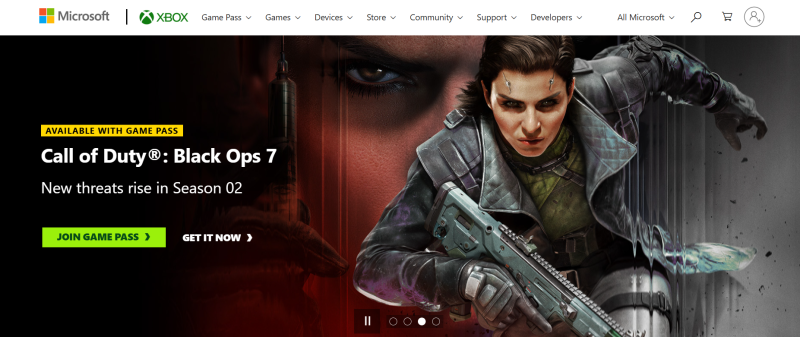
If PlayStation sells “content experience,” Xbox in 2026 sells “low decision cost.” Game Pass changes user behavior: players no longer question “is it worth buying?” but directly decide “should I try it?”
Core Advantages
- Subscription lowers trial threshold
- Unified across PC / console / cloud
- Exposure-friendly for mid-size projects
Limitations
- Weaker hardware appeal
- Revenue model favors long-term amortization
Who It’s Suitable For
- Subscription-based players
- Teams seeking rapid user feedback
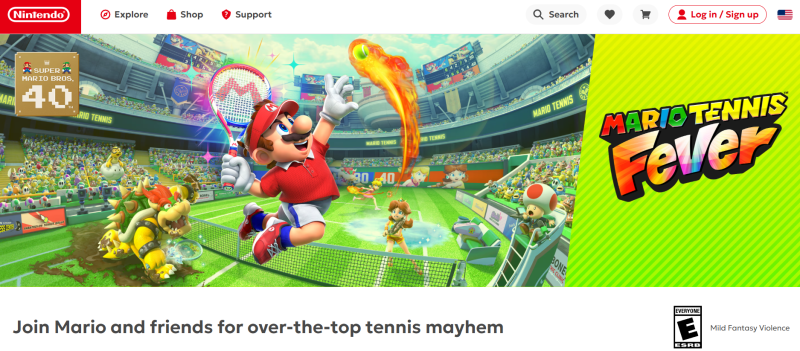
5. Nintendo
Nintendo in 2026 still proves that technical superiority is not the only path; gameplay and IP can withstand time. It has built a stable “family + all-age” user structure, particularly valuable during industry cycle fluctuations.
Core Advantages
- Top-tier IP reserves
- Broad coverage of family and casual players
- High tolerance for creative gameplay
Limitations
- Conservative hardware performance
- Relatively closed third-party ecosystem
Who It’s Suitable For
- Family-oriented players
- IP-driven projects
6. Cloud Gaming Platforms
By 2026, cloud gaming is clearly positioned: it is not a replacement for consoles or PC but a scenario supplement. Its real value is solving “where to play,” not “what to play.”
Core Advantages
- Almost zero hardware requirements
- Cross-device and cross-region experience
- Highly compatible with subscription models
Limitations
- High dependency on network quality
- Still affects real-time gameplay
Who It’s Suitable For
- Lightweight device users
- Cross-region or multi-scenario players
7. UGC Social Gaming Platforms
Platforms like Roblox and Fortnite Creative are no longer “games” in essence but content production systems. Their growth comes from UGC, not official updates.
Core Advantages
- Continuous content supply from users
- Social relationships drive retention
- Stable growth among younger users
Limitations
- Content quality varies
- Significant differentiation among creators
Who It’s Suitable For
- Creator-focused players
- Social-oriented teams
8. App Store Ecosystem
App Store and Google Play are rarely treated as “game platforms,” yet in 2026, they remain the most decisive underlying variables in mobile gaming. They do not compete on gameplay or produce content but fundamentally determine whether a mobile game can go live, how it can monetize, and its long-term viability. If other platforms compete for users’ time, the app store ecosystem controls the gateway to the market.
Core Advantages
- Control of traffic entry
- Control of payment systems
- Control of rule interpretation
Limitations
- Review rules and policies are uncertain and frequently adjusted
- Business models are constrained (subscriptions, gacha, virtual items may be redefined)
- Minimal negotiation space for small and mid-size teams
- Recovery after removal, bans, or account issues is slow and unpredictable
Who It’s Suitable For
- All mobile game developers (cannot be bypassed)
9. Indie Platforms (e.g., itch.io)
Indie platforms are not about scale but about retaining experimentation space. Many practices later adopted by mainstream platforms originated here.
Core Advantages
- Extremely high freedom
- Community-driven
- Very low publishing barriers
Limitations
- Limited monetization capability
- Small user base
Who It’s Suitable For
- Indie developers
- Experimental or art-oriented projects
10. VR / Immersive Platforms
VR in 2026 is still not mainstream but clearly demonstrates: it is not a failed track, but a slow track. Its real value lies in providing immersive social and spatial experiences that other platforms cannot replicate.
Core Advantages
- Unique immersion
- New interaction paradigms
- Vast creative space
Limitations
- User base still limited
- High content production costs
Who It’s Suitable For
- Frontier content teams
- Long-term technical investment projects
Platform Quick Comparison
| Platform | Positioning | Core Advantage | Risk | Suitable Users |
|---|---|---|---|---|
| Steam | PC | Mature ecosystem | Highly competitive | PC gamers |
| Mobile | Mobile | Highest revenue | Rising UA cost | Commercial teams |
| PlayStation | Console | Content quality | High cost | Core console players |
| Xbox | Service | Subscription model | Long ROI | Subscription users |
| Cloud | Cloud | Low barrier | Network dependency | Lightweight users |
| UGC | Social | Unlimited content | Variable quality | Creators |
| Indie | Innovation | High freedom | Weak monetization | Indie devs |
| VR | Frontier | Immersive experience | Long cycle | Long-term planners |
FlashID Anti-detect Browser: Multi-Account and Advanced Usage Solution
In 2026, multi-account usage is common in:
- Multi-region publishing and testing
- Test / operations / advertising account isolation
- Multi-platform management (app stores, ads, social platforms)
Account security depends not on quantity but on environment isolation. Modern platform risk control relies heavily on device fingerprints, browser environment, and behavior patterns; merely separating accounts is insufficient. Once environments or behaviors overlap, risks rise quickly.Some teams use FlashID anti-detect browser to independently configure and manage browser and cloud phone environments, stabilizing multi-account operations:
- Create isolated environments for different accounts to reduce association risks
- Support parallel operations by multiple roles to improve team efficiency
- Facilitate multi-region and multi-platform account management
- Better suited for long-term, standardized operations rather than temporary multi-opening
FlashID anti-detect browser is not a tool to bypass rules but a foundation for more standardized, controllable multi-account management. In an era of tightening platform rules, clear environment isolation has become a baseline requirement for professional teams.
Conclusion
By 2026, the game industry has shifted from “choosing games” to choosing platforms and ecosystems. PC, console, mobile, cloud, and UGC platforms each shape distinct player behaviors and business models. App store ecosystems cannot be bypassed but carry strict rules and uncertainty; multi-account and multi-platform management has become the norm, and tools like FlashID anti-detect browserhelp teams isolate environments, reduce association risks, and improve cross-platform collaboration.
The key principle is clear: Understand platform differences + use tools wisely + manage accounts scientifically = long-term, stable growth. Mastering these principles will directly determine a team’s advantage in the next wave of competition.
FAQ (Frequently Asked Questions)
1.Q: What are the core trends in the 2026 gaming industry?
A: Games are shifting from “individual titles” to platforms, tools, and ecosystems. Cloud gaming, subscriptions, cross-platform play, UGC, and AI-assisted development are turning games into continuous service systems.
2.Q: Which platforms are most important in 2026?
A: The Top 10 platforms include Steam, Mobile (iOS/Android), PlayStation, Xbox & Game Pass, Nintendo, Cloud Gaming, UGC Social Platforms, App Store Ecosystem, Indie Platforms (e.g., itch.io), and VR / Immersive Platforms.
3.Q: What role do app stores play in mobile gaming?
A: App Store and Google Play control traffic, payments, and rules, making them essential for game launch, monetization, and long-term survival.
4.Q: Why is multi-account management necessary?
A: Multi-accounts support multi-region publishing, testing, and platform management. Platforms track devices and behaviors, so simple account separation isn’t enough to avoid risks.
5.Q: How does FlashID anti-detect browser help with multi-account operations?
A: FlashID anti-detect browser creates isolated browser and cloud phone environments, reducing account association risk, supporting parallel operations, and enabling long-term standardized management.
6.Q: Who benefits most from indie and UGC platforms?
A: Indie platforms suit independent or experimental projects, while UGC platforms suit creator-driven or social-focused teams.
7.Q: What is the value of VR / immersive platforms?
A: VR offers unique immersion and new interaction modes, suitable for frontier content teams and long-term tech investment, despite a smaller user base.
You May Also Like