With the rapid growth of the digital advertising market, platforms are constantly upgrading their technology and reach. By 2026, global ad spending is expected to surpass $1 trillion, making precise targeting, cross-screen interaction, and content-driven campaigns increasingly important. This article reviews the top 10 global advertising platforms in 2026, providing an overview, key advantages, and suitable use cases for each, with official links embedded in the platform names for easy access.
Google Ads — The Global Advertising Leader
Overview: Google Ads is the world’s largest search and display advertising platform, covering search ads, display ads, YouTube video ads, and programmatic ad buying. Its massive user base and mature analytics system allow advertisers to reach target audiences with precision.
Advantages:
- Precise search ad targeting for higher conversions
- Multiple ad formats (search, display, video)
- Global audience reach
- Advanced analytics for optimizing campaign performance
📌 Suitable for: search conversions, brand exposure, cross-channel campaigns

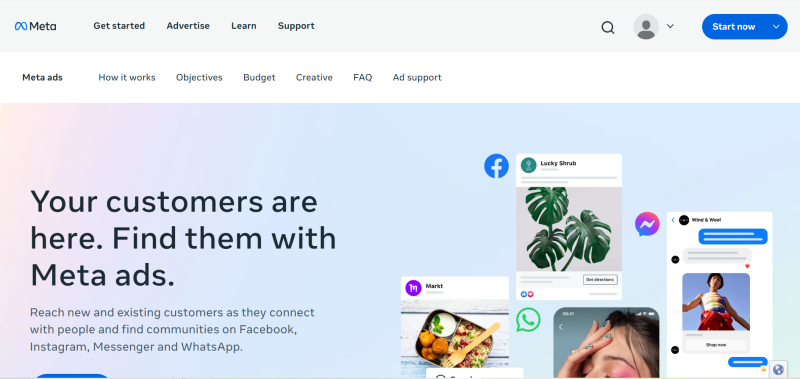
Meta Ads — Social Advertising Leader
Overview: Meta Ads covers Facebook, Instagram, and Messenger, making it a leading social advertising platform. It allows precise audience targeting based on interests and behaviors, enabling brand engagement and user interaction.
Advantages:
- Fine-grained interest and behavior targeting
- High engagement and social sharing
- Multi-platform coverage
- Supports both brand awareness and conversion objectives
📌 Suitable for: social engagement, user interaction, brand building
Amazon Ads — E-commerce Advertising Giant
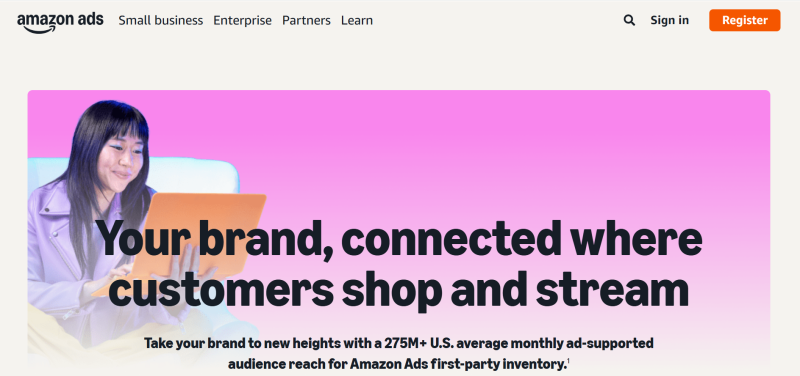
Overview: Amazon Ads leverages shopping behavior and search intent data to deliver highly targeted conversions. It supports search ads, display ads, and programmatic campaigns, helping brands increase sales efficiently.
Advantages:
- Data-driven conversion optimization
- Supports search, display, and programmatic ads
- Integrates closely with Amazon’s shopping ecosystem
- High reach to purchase-intent users
📌 Suitable for: e-commerce brands, shopping conversions, high-intent audience targeting
Alibaba Ads (Alimama & Taobao/Tmall Ads) — Leading Asian E-commerce Platform
Overview: Alibaba Ads combines e-commerce ecosystem data with advanced analytics, covering China and the Asia-Pacific region, helping brands achieve high exposure and sales conversions.
Advantages:
- Data-driven precision targeting
- Deep integration with e-commerce ecosystem
- Supports brand promotion and conversion tracking
- Strong synergy with short video and live-streaming content
📌 Suitable for: China market promotion, e-commerce conversions, brand building

ByteDance / TikTok Ads — Short-Video Advertising Leader
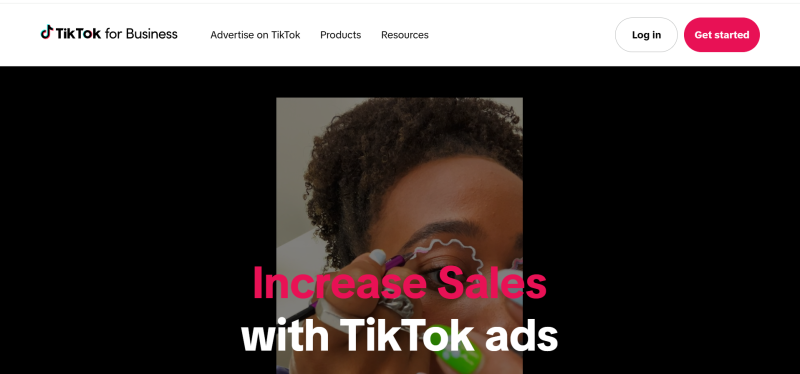
Overview: TikTok Ads (and Douyin in China) leverages short-video formats and algorithmic recommendations to reach young audiences, generating high engagement and brand awareness.
Advantages:
- Massive young user base
- High engagement and watch time
- Multiple formats: native ads, hashtag challenges, brand collaborations
- Powerful algorithm-driven targeting
📌 Suitable for: brand awareness, young audience engagement, content marketing
Apple Ads — Premium Brand Advertising Platform
Overview: Apple Ads leverages the iOS ecosystem, providing a secure and reliable platform for app promotion and premium brand campaigns.
Advantages:
- High-quality iOS user base
- Privacy-friendly and compliant with data protection laws
- Effective app install and brand advertising
- Enhances premium brand image
📌 Suitable for: high-end audience, app promotion, brand image building

The Trade Desk — Programmatic Advertising Expert
Overview: The Trade Desk is a leading programmatic advertising platform supporting cross-screen campaigns, powered by AI optimization.
Advantages:
- Strong cross-screen capabilities (PC, mobile, CTV)
- AI-driven campaign optimization for better ROI
- Supports multiple ad formats
- Advanced data analysis and audience insights
📌 Suitable for: programmatic campaigns, cross-media advertising, enterprise-level advertising

Unity Ads — Mobile & Gaming Advertising
Overview: Unity Ads focuses on mobile game and app advertising, using rewarded videos and native ads to drive user acquisition and monetization.
Advantages:
- High-performing rewarded video ads
- Precise app user acquisition
- Integrates with developer tools for monetization
- Supports various native ad formats
📌 Suitable for: mobile game promotion, app installs, user retention
Outbrain — Content Recommendation & Native Ads
Overview: Outbrain provides native ads and content recommendation services, delivering natural exposure and traffic through news portals and content websites.
Advantages:
- Native ads blend seamlessly with content
- High user acceptance
- Global news and content site coverage
- Precise data analytics for content marketing optimization
📌 Suitable for: content marketing, brand exposure, traffic generation
Taboola — Native Advertising & Content Discovery
Overview: Taboola specializes in personalized content recommendation ads, helping advertisers drive brand exposure, traffic growth, and engagement.
Advantages:
- Personalized recommendation ads improve click-through
- Extensive content site coverage
- Flexible ad formats for diverse marketing goals
- Effective brand exposure and traffic conversion
📌 Suitable for: content discovery, brand exposure, content-driven traffic With the top platforms now outlined, it’s important to look at the key trends shaping the global advertising landscape in 2026.
Advertising Trends in 2026
- AI-powered precision targeting dominates
- Rapid growth of short-video and CTV campaigns
- E-commerce advertising continues to rise
- Integration of programmatic and native ads
Use FlashID to Secure and Scale Multi-Account Advertising Operations
As digital advertising scales across platforms, regions, and campaign types, the key operational challenge is no longer campaign strategy itself, but the underlying environment consistency and account integrity. Modern platforms continuously monitor device fingerprints, behavioral patterns, network signals, and session stability to detect abnormal or automated activity. Even fully compliant campaigns can be flagged if multiple accounts share overlapping or inconsistent environments.
FlashID addresses these risks by establishing environment-level isolation, redefining how browser environments are perceived by advertising systems. Each profile functions as a persistent, independent device with a unique fingerprint encompassing system parameters, rendering signatures, language, timezone, network identity, and storage behaviors. By maintaining this consistency over time, FlashID prevents cross-account correlation and mitigates platform-triggered risk signals.
Beyond technical isolation, FlashID enables advertisers to architect scalable account frameworks—regional clusters, brand-specific entities, or multi-platform testing cohorts—without triggering detection algorithms. This approach supports controlled experimentation, parallel campaign execution, and long-term account health, transforming multi-account management from a compliance liability into a repeatable growth strategy. In essence, it aligns operational execution with platform risk detection logic, giving advertisers both flexibility and security at scale.
Conclusion
The 2026 advertising landscape is moving towards smarter, cross-screen, and content-driven campaigns. Google Ads and Meta Ads dominate search and social, Amazon and Alibaba lead e-commerce ads, TikTok / ByteDance excels in short-video advertising, Apple Ads provides secure high-end user reach, while The Trade Desk, Unity Ads, Outbrain, and Taboola perform strongly in programmatic, gaming, native, and content discovery ads. Advertisers should choose the most suitable platforms based on campaign goals, target audience, and budget to maximize exposure and conversion.
Frequently Asked Questions (FAQ)
1.Q: What are the top advertising platforms in 2026?
A: The top 10 platforms are Google Ads, Meta Ads, Amazon Ads, Alibaba Ads, ByteDance / TikTok Ads, Apple Ads, The Trade Desk, Unity Ads, Outbrain, and Taboola. Each platform specializes in areas like search, social, e-commerce, short-video, programmatic, gaming, and content marketing.
2.Q: Which platform is best for maximizing brand exposure and conversions?
A: Google Ads excels in search conversions and cross-channel campaigns, while Meta Ads is ideal for social engagement and brand awareness. For e-commerce, Amazon Ads and Alibaba Ads provide high-intent audience targeting.
3.Q: How can short-video platforms boost engagement and brand awareness?
A: ByteDance / TikTok Ads uses algorithm-driven short videos, hashtag challenges, and native ads to reach young audiences, increasing engagement and improving brand visibility.
4.Q: How can programmatic advertising improve campaign performance?
A: Programmatic platforms like The Trade Desk use AI to optimize campaigns across multiple screens, providing precise targeting, advanced analytics, and higher ROI for enterprise-level advertisers.
5.Q: How can advertisers manage multiple accounts safely and efficiently?
A: Combining these platforms with a fingerprint browser creates isolated environments for each account, preventing data overlap or bans, enhancing security, and enabling more precise execution for programmatic and e-commerce campaigns.