In recent years, Web3 has been regarded as a significant evolution of the internet. Unlike traditional centralized data systems, Web3 advocates for a more open and distributed network environment through technologies such as blockchain, enabling users to have direct control over their digital identities, assets, and activity records. According to market research firm Grand View Research, the Web3-related industry was still in its early stages in 2023, but its growth rate has been remarkable. The overall market is expected to expand multiple times by 2030, gradually becoming an essential component of the next-generation internet. In practical terms, the impact of Web3 has long extended beyond cryptocurrency itself. From digitizing real estate assets and sharing healthcare data to on-chain gaming economies, supply chain management, and organizational governance, an increasing number of industries are leveraging Web3 platforms to reshape their traditional operational models.
Against this backdrop, this article reviews the most representative Web3 platforms, explores their real-world applications, and highlights key factors to consider when selecting the right platform for different project needs.
Top 10 Web3 Platforms in 2026
1. Ethereum
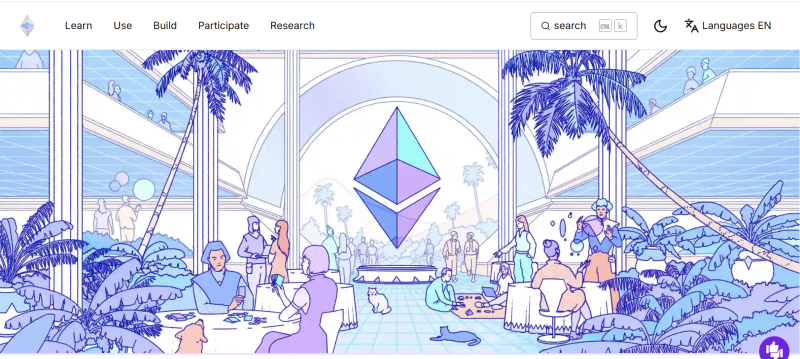
Ethereum is still the main platform for making decentralized apps. It hosts thousands of smart contracts, DeFi protocols, NFT marketplaces, and DAOs. With Layer-2 solutions like Polygon, Arbitrum, and Optimism enhancing speed and affordability, it continues to attract a growing base of developers and users, making it a reliable choice for long-term projects.
- Key Features: Smart contracts, DeFi, NFTs, DAOs, Layer-2
- Strengths: Most mature ecosystem, largest developer community, high security
- Weaknesses: High mainnet fees, strong dependence on Layer-2 networks
2. Solana
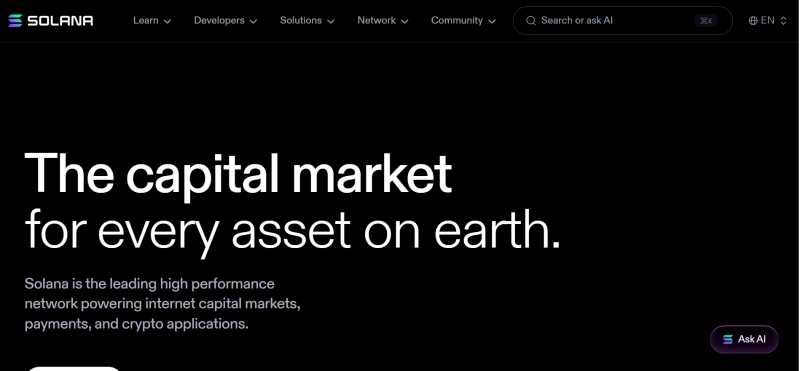
Solana emphasizes high performance and low fees, and by 2026 has become an important Web3 application-oriented public chain. Its user experience advantages are particularly obvious in NFTs, GameFi, and high-frequency trading. After multiple upgrades, network stability has improved significantly compared to earlier stages.
- Key Features: High TPS, low cost, application-oriented
- Strengths: Fast transactions, low fees, good user experience
- Weaknesses: Lower decentralization, historical stability issues still a concern
3. Polygon
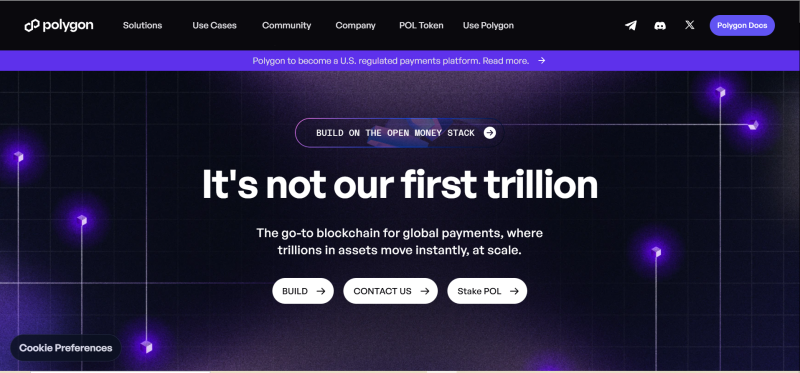
Polygon provides Ethereum with scalable Layer‑2 solutions, reducing Ethereum’s usage barriers through fast transactions and low fees. It also supports developer-friendly tools and SDKs, making DeFi, NFT, and gaming application development more convenient. Typical projects include Aave Polygon and Decentraland.
- Key Features: Low fees, fast confirmation, Ethereum scaling
- Strengths: Low cost, high performance, developer-friendly
- Weaknesses: More complex architecture, less intuitive for new users
4. Polkadot
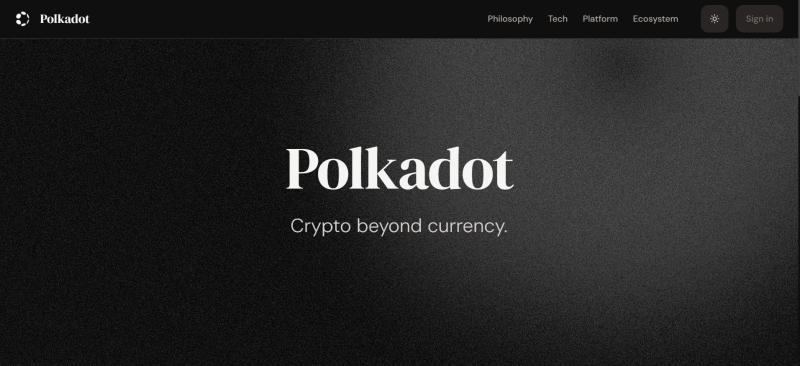
Polkadot focuses on solving interoperability issues between different blockchains, supporting data and asset flows through its parachain architecture. It is suitable for cross-chain DeFi, supply chains, IoT, and other complex applications. The Polkadot ecosystem includes Acala and Moonbeam, providing cross-chain smart contracts and asset bridges.
- Key Features: Cross-chain communication, modular blockchain
- Strengths: Strong native interoperability, highly customizable
- Weaknesses: High learning curve, fewer consumer-facing applications
5. Internet Computer (ICP)
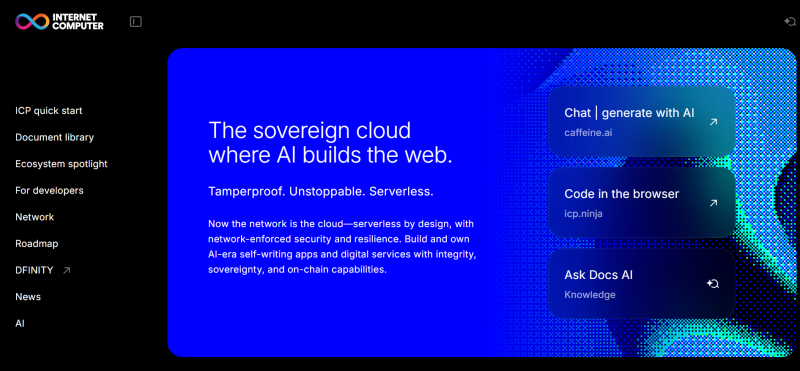
Internet Computer provides a fully on-chain execution environment, allowing the front-end, back-end, and governance logic to be entirely deployed on blockchain, reducing reliance on traditional cloud services. It supports decentralized websites, enterprise applications, and governance systems, making it suitable for fully on-chain applications without servers. Typical projects include CanCan and Distrikt.
- Key Features: Fully on-chain applications, decentralized cloud
- Strengths: High decentralization, strong performance
- Weaknesses: High development barrier, smaller ecosystem
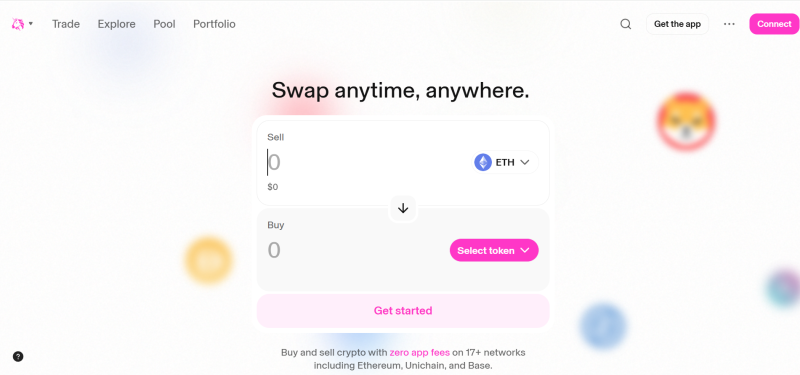
6. Uniswap
Uniswap is a top decentralized exchange (DEX). It reduces gas costs and provides flexible functions for traders and liquidity providers. Token trading, liquidity provision, and fee collection can all be completed by users in a fully decentralized manner. In addition, its multi-chain support keeps it leading in decentralized finance.
- Key Features: Decentralized trading, liquidity pools
- Strengths: Permissionless, strong liquidity, mature security
- Weaknesses: Complex functions, higher learning curve for new users
7. Plume Network
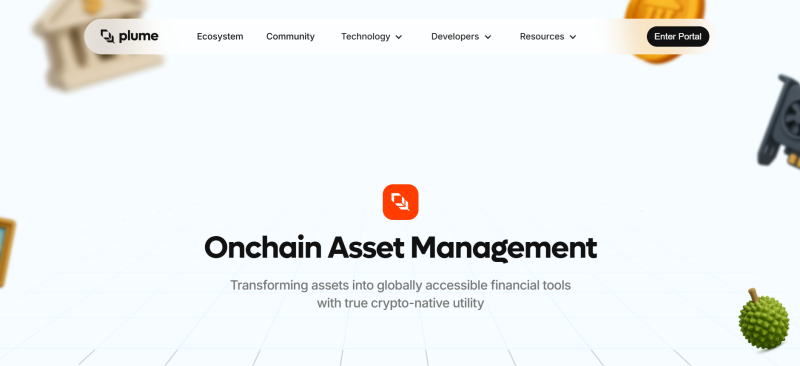
Plume Network focuses on bringing real-world assets (RWA) on-chain, including real estate, bonds, and commodities, and integrating them into DeFi while remaining compliant. It provides a bridge between traditional finance and blockchain, enhancing asset transparency and liquidity.
- Key Features: RWA, compliance, DeFi integration
- Strengths: Transparent assets, EVM-compatible
- Weaknesses: Early-stage ecosystem, limited user base
8. Alchemy
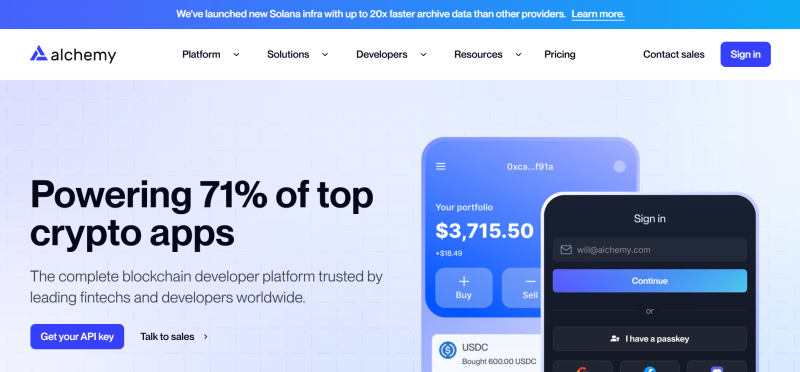
Alchemy provides Web3 developer infrastructure, including node services, API access, monitoring, and analytics. It simplifies blockchain application development, allowing developers to focus on product innovation without managing complex underlying infrastructure.
- Key Features: Web3 APIs, node services, developer tools
- Strengths: Stable and reliable, significantly reduces development costs
- Weaknesses: Dependence on third-party services
9. Mirror
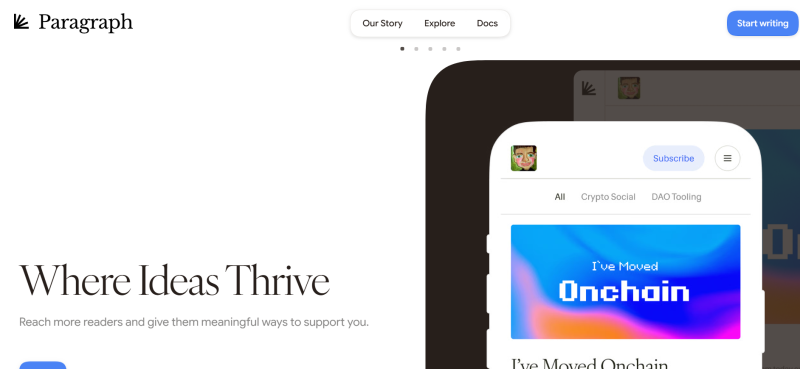
Mirror is a decentralized creator platform where authors can publish content directly on‑chain, mint their writing as NFTs, and retain full ownership of their work. Users can also participate in governance and incentive mechanisms via community voting. Note that Mirror operates as a decentralized content space — individual pages are typically accessed via personalized URLs under the main domain.
- Key Features: Content ownership, NFTs, community governance
- Strengths: Creators retain control over content and earnings
- Weaknesses: Platform does not have a traditional homepage UI, and pages are typically accessed by specific user links
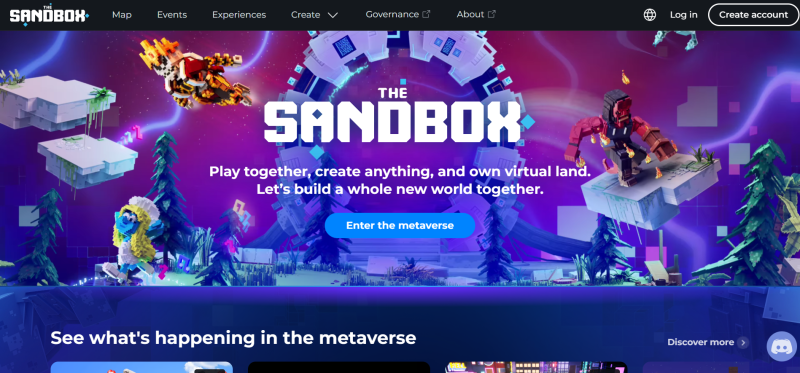
10. The Sandbox
The Sandbox demonstrates the potential of Web3 gaming and the metaverse. Players can purchase virtual land, create assets, and participate in governance via DAO. It combines entertainment with digital asset ownership, offering immersive experiences and economic incentives.
- Key Features: Play-to-Earn, NFTs, virtual assets
- Strengths: Immersive experience, tradable assets
- Weaknesses: Volatile economic model, high entry barriers
2026 Web3 Platform Use Case Overview (Simplified)
To provide a clearer comparison of how these Web3 platforms are used across different scenarios, the following table summarizes their primary use cases in 2026.
| Platform | DeFi/Trading | NFT | Gaming/Metaverse | Development/Tools |
|---|---|---|---|---|
| Ethereum | ✅ | ✅ | ✖ | ✅ |
| Solana | ✅ | ✅ | ✅ | ✅ |
| Polygon | ✅ | ✅ | ✅ | ✅ |
| Polkadot | ✅ | ✖ | ✖ | ✅ |
| ICP | ✖ | ✖ | ✖ | ✅ |
| Uniswap | ✅ | ✖ | ✖ | ✖ |
| Plume Network | ✅ | ✖ | ✖ | ✖ |
| Alchemy | ✖ | ✖ | ✖ | ✅ |
| Mirror | ✖ | ✅ | ✖ | ✖ |
| Sandbox | ✖ | ✅ | ✅ | ✖ |
Web3 Implementation and FlashID Anti-detect Browser: Ensuring Multi-Account and Environment Security
As Web3 platforms gradually mature, more projects are moving into real-world operations. Whether it is multi-wallet management, cross-chain operations, testnet deployment, airdrop participation, or long-term account operation, the stability and security of off-chain environments are becoming key challenges.
In practice, issues such as account linkage, device fingerprinting, and IP-based risk control often directly affect project efficiency and account security. Ignoring these aspects can result in banned accounts, failed operations, or asset risks, even when using the best chains and applications.
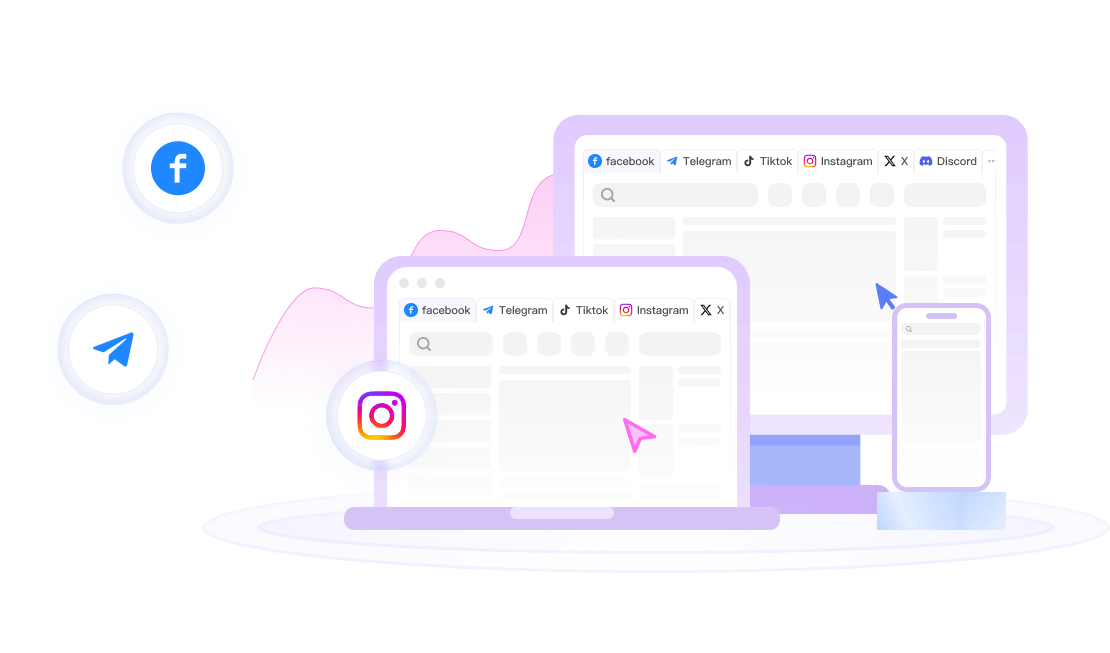
FlashID anti-detect browser, a tool focused on identity and environment isolation, can provide practical support in these areas:
- Multi-account management: Safely operate multiple accounts across different chains in isolated environments to avoid account linkage and ban risks.
- Environment isolation: Each operating environment runs independently, reducing interference and data confusion between platforms.
- Risk control protection: Device fingerprinting and IP separation help reduce platform false positives, improving operational stability.
- Operational efficiency: Teams and individuals can manage multiple accounts and environments safely on a single device without repeated setup or relying on multiple devices.
Therefore, integrating FlashID and similar off-chain environment management tools alongside Web3 platforms can not only ensure account security but also optimize team efficiency, providing a solid foundation for smooth project implementation.
Conclusion
By 2026, Web3 is no longer just a technical concept; it has gradually evolved into a practical ecosystem. Whether it is DeFi, NFTs, GameFi, enterprise applications, or real-world asset tokenization, platform choice and operational efficiency directly determine project success.
In this process, off-chain operational stability, account security, and environment isolation are equally important. Tools like FlashID anti-detect browser provide practical functions such as multi-account management, environment isolation, risk control, and efficiency enhancement, making Web3 project deployment safer and more reliable.
In summary, selecting the right Web3 platform is only the first step. Combining on-chain innovation with off-chain security is the key to fully realizing Web3’s potential. As technology and ecosystems mature, projects that emphasize both functionality and secure operations are more likely to gain a competitive advantage in the future Web3 era.
FAQ (Frequently Asked Questions)
1.Q: What is Web3 and why is it important?
A: Web3 is a decentralized internet that gives users direct control over digital identities, assets, and activity. It enables more open, secure, and user-owned online experiences compared to traditional centralized systems.
2.Q: Which industries and applications are using Web3?
A: Web3 is applied in finance (DeFi), NFTs, gaming (GameFi), real estate tokenization, healthcare data sharing, supply chain management, and organizational governance.
3.Q: What are the top Web3 platforms in 2026?
A: The main platforms include Ethereum, Solana, Polygon, Polkadot, ICP, Uniswap, Plume Network, Alchemy, Mirror, and The Sandbox, each serving different use cases like DeFi, NFTs, gaming, and developer tools.
4.Q: What operational challenges exist for Web3 projects?
A: Managing multiple accounts, avoiding device/IP-based risks, and ensuring off-chain environment security are key challenges. Neglecting these can lead to account bans, failed operations, or asset risks.
5.Q: How can tools like FlashID support Web3 projects?
A: FlashID helps by enabling safe multi-account management, isolating environments, controlling device/IP risks, and improving operational efficiency, ensuring projects run securely and smoothly.
You May Also Like