Quick Answer
The top five US reselling platforms to consider in 2026 are eBay, Mercari, Depop, Poshmark, and Facebook Marketplace. eBay covers the widest range of products and offers the most developed tools for high-volume selling, Mercari focuses on simple listings and a straightforward fee structure, Depop is heavily oriented toward fashion and younger shoppers, Poshmark is built around fashion discovery and social selling, while Facebook Marketplace is particularly useful for local transactions and bulky items. The right platform depends less on a universal “best” choice and more on what you sell, how much you sell, your target buyers, and how much time you want to spend managing listings.
What to Look at Before Choosing a Reselling Platform
A platform can look attractive because of low fees, but fees are only one part of the selling equation. Before opening a seller account, compare these five factors:
| Factor | What to Check |
|---|---|
| Buyer demand | How large and relevant the buyer base is for your products |
| Seller fees | Commission, payment processing, shipping-related costs, and optional promotion fees |
| Product fit | Whether the platform’s audience actively shops for your type of inventory |
| Selling workflow | Listing tools, shipping options, offers, bundles, and order management |
| Scalability | Whether the platform remains practical when you have dozens or hundreds of active listings |
This framework matters because a platform with a lower transaction fee can still cost more if its audience does not match your inventory, while a platform with higher fees may make sense if it gives a specific type of product better exposure. Before choosing a platform, figure out what matters most to you and start there.
5 US Reselling Platforms at a Glance
| Platform | Best Known For | Seller Fee Structure | Product Fit | Selling Style |
|---|---|---|---|---|
| eBay | Broad inventory and high-volume selling | Category-dependent; many common categories are 13.6% + per-order fee | Electronics, collectibles, fashion, home goods, parts, niche items | Search-driven marketplace |
| Mercari | Simple selling and straightforward fees | 10% selling fee on item price + buyer-paid shipping | Mixed secondhand inventory, electronics, home goods, fashion | Simple listing-and-sell workflow |
| Depop | Vintage, streetwear, and fashion discovery | No US seller fee; 3.3% +$0.45 payment processing | Vintage, Y2K, streetwear, branded fashion | Visual and community-driven |
| Poshmark | Fashion resale and social shopping | $2.95 under $15; 20% at $15+ | Clothing, shoes, handbags, accessories, beauty | Fashion-focused marketplace |
| Facebook Marketplace | Local buying and selling | Depends on transaction and shipping setup | Furniture, appliances, bulky goods, general local items | Local and message-driven |
Fee structures can vary by category, order value, shipping method, seller status, or optional promotion. Check the platform’s current fee page before pricing inventory.
1. eBay: The Broadest Option for Serious Reselling
eBay is the most general-purpose platform on this list. Its strength is not that it specializes in one category, but that buyers already use it to search for an unusually wide range of products, including used electronics, collectibles, clothing, sneakers, auto parts, toys, books, and hard-to-find items.
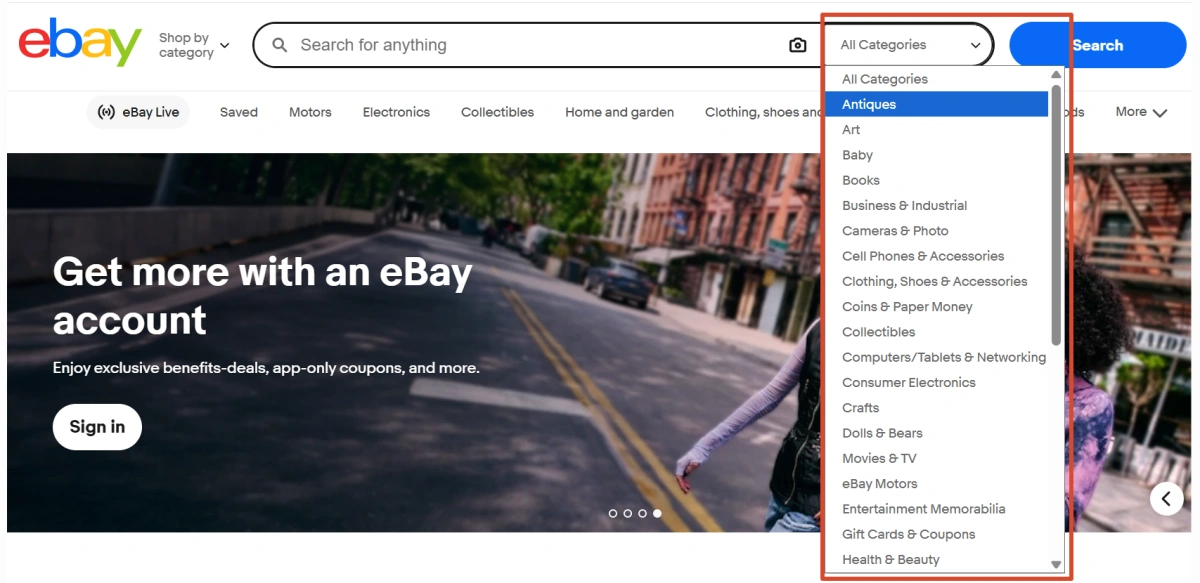
eBay reported 135 million active buyers across 190 markets at the end of 2025, and the company says it enabled nearly **$**80 billion in GMV in 2025. That scale matters for resellers because niche inventory does not need to depend entirely on local demand.
What makes eBay different?
1.It works well for searchable, specific inventory. If a buyer already knows the model number, brand, product name, year, size, or collectible they want, eBay’s search-based marketplace gives that item a clear path to discovery. This is particularly useful for products that are valuable but not necessarily trendy.
2.Its seller infrastructure is designed for volume. eBay provides Seller Hub, bulk listing capabilities, listing templates, analytics, promoted listings, shipping tools, and API access. Sellers also receive up to 250 zero-insertion-fee listings per month in the standard setup, after which additional listings generally incur an insertion fee.
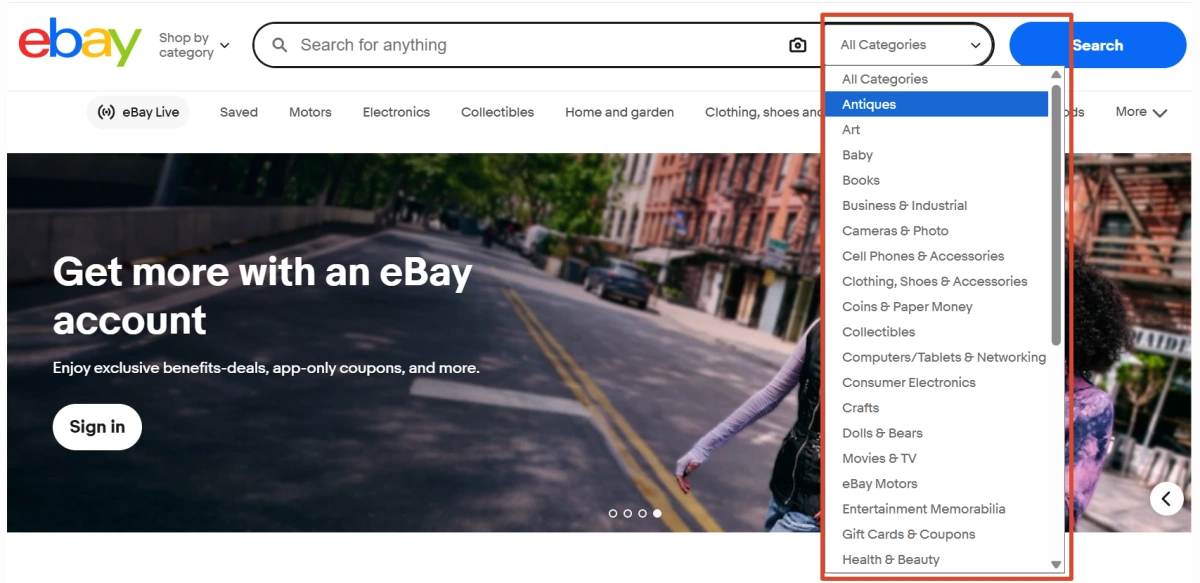
3.Fees depend heavily on category. For many common categories, eBay’s current final value fee is 13.6% of the total sale amount up to $7,500, plus a per-order fee, although categories such as books, handbags, sneakers, and jewelry can use different rates.
Best fit: sellers with mixed inventory, collectible or niche products, and anyone planning to build a larger catalog rather than sell only occasional items.
2. Mercari: Simple Selling for Mixed Secondhand Inventory
Mercari takes a different approach from eBay. Instead of offering a large set of business-oriented selling tools, it keeps the listing process relatively straightforward, which can work well for individuals who want to photograph an item, describe it, price it, and move on to the next listing.
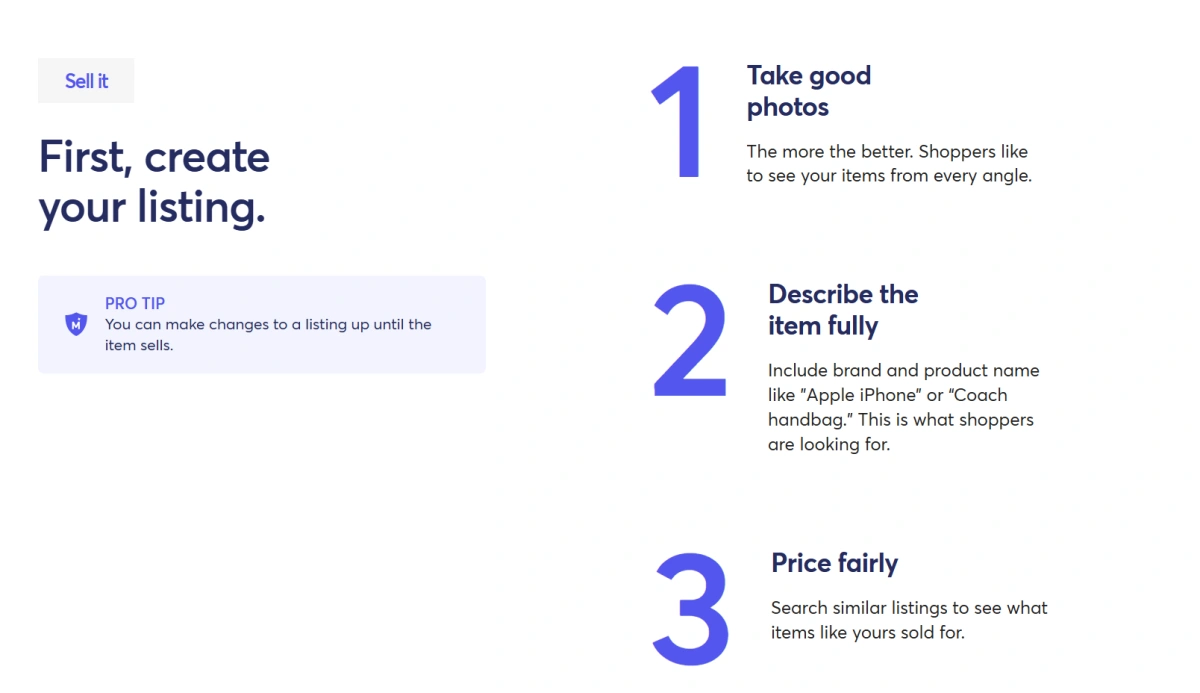
The current US fee structure is easy to understand: listings are free, while sellers pay a 10% selling fee on the item price plus buyer-paid shipping for new or updated listings. Buyers also pay a 3.6% Buyer Protection fee on the item price and buyer-paid shipping.
Where Mercari stands out
- Simple fee calculation: the 10% seller fee is easier to factor into pricing than a fee structure that changes substantially by category.
- Broad secondhand use: Mercari supports categories beyond fashion, making it practical for electronics, home goods, toys, collectibles, accessories, and everyday used items.
- Straightforward listing workflow: sellers can add photos, descriptions, brands, categories, conditions, and tags without building the more detailed listings often associated with eBay.
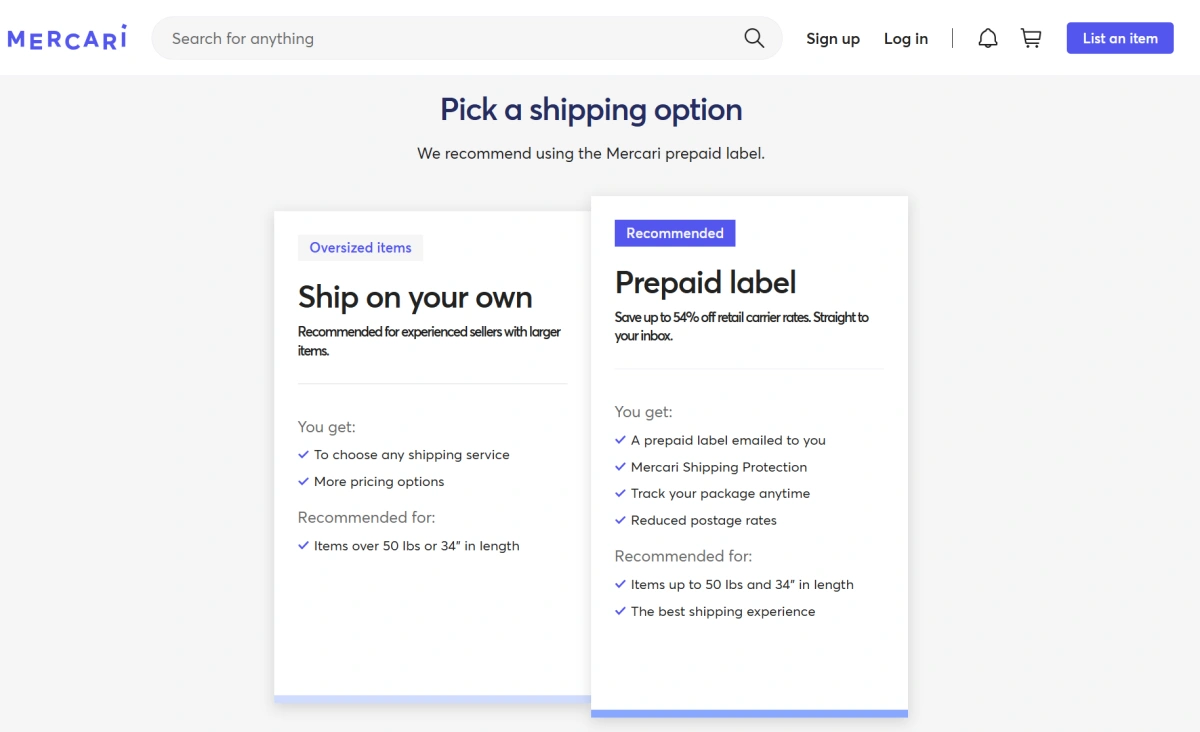
- Shipping support: sellers can use Mercari’s prepaid labels or ship on their own, with shipping protection available on eligible prepaid shipments.
Mercari is particularly interesting when your inventory does not belong to one narrow category. A seller clearing out electronics, household items, clothing, toys, and accessories may prefer a marketplace where the same basic listing workflow works across categories.
Best fit: casual-to-high-volume sellers with mixed secondhand inventory who want a relatively simple selling process and predictable seller fees.
3. Depop: A Fashion Marketplace Built Around Visual Discovery
Depop is much more specialized than eBay or Mercari. According to Etsy’s 2025 reporting, 93% of Depop’s GMS came from apparel, while 87% of buyers over the previous year were under 34. In 2025, Depop generated about **$**1.075 billion in GMS, up 36.3% year over year.
That tells you more about Depop’s real identity than simply calling it a “Gen Z resale app”: it is a fashion-focused marketplace where the presentation, style, and visual identity of an item matter.
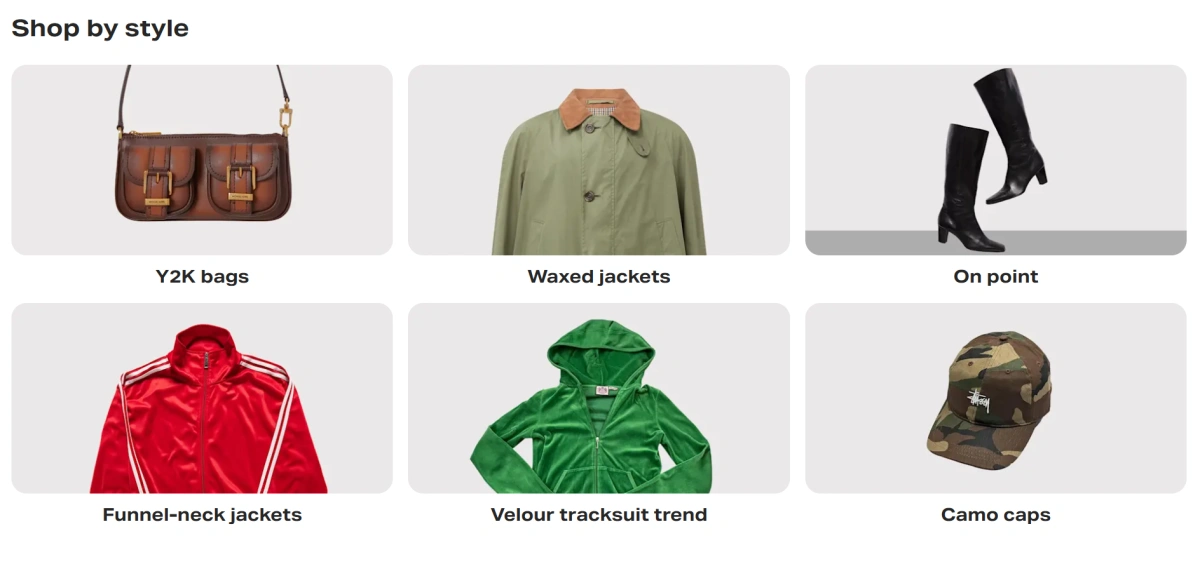
What sells naturally on Depop?
Depop makes particular sense for inventory such as:
- Vintage clothing
- Y2K fashion
- Graphic T-shirts
- Streetwear
- Vintage denim
- Sneakers
- Distinctive branded pieces
- Trend-driven accessories
For these products, the listing photo is not just documentation. It is part of the product presentation. A visually distinctive item can benefit from being discovered through recommendations and fashion-oriented browsing rather than only through exact keyword searches.
The fee advantage has a catch
US sellers currently pay no Depop selling fee, but Depop charges a payment processing fee of 3.3% + $0.45 for US Depop Payments transactions. Depop also introduced a 12% Boosted Listings fee for US sellers on new listings from March 23, 2026, when a boosted listing results in a sale.
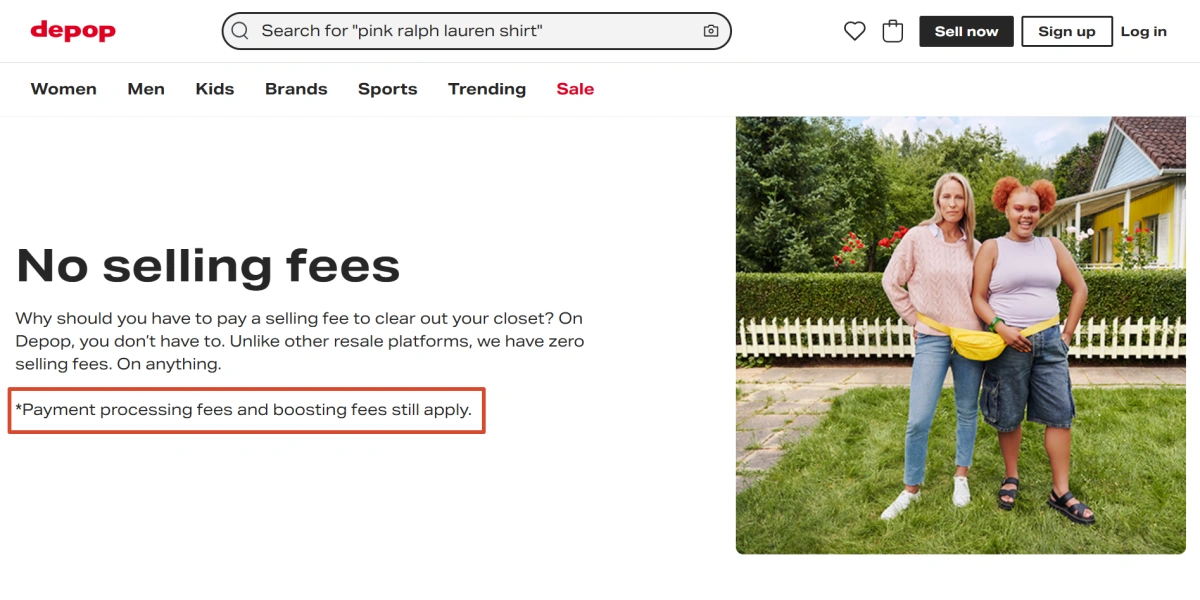
So “no seller fee” does not mean every Depop sale is fee-free. Sellers using paid boosting need to include that additional cost in their margin calculations.
Best fit: sellers whose inventory is strongly fashion-led, especially vintage, Y2K, streetwear, and visually distinctive apparel.
4. Poshmark: Fashion Resale With a Strong Social Layer
Poshmark is also fashion-focused, but its selling model differs from Depop. The platform combines marketplace search with social features, offers, bundles, and seller-buyer interaction, making the selling experience feel more like managing a fashion closet than maintaining a general product catalog.
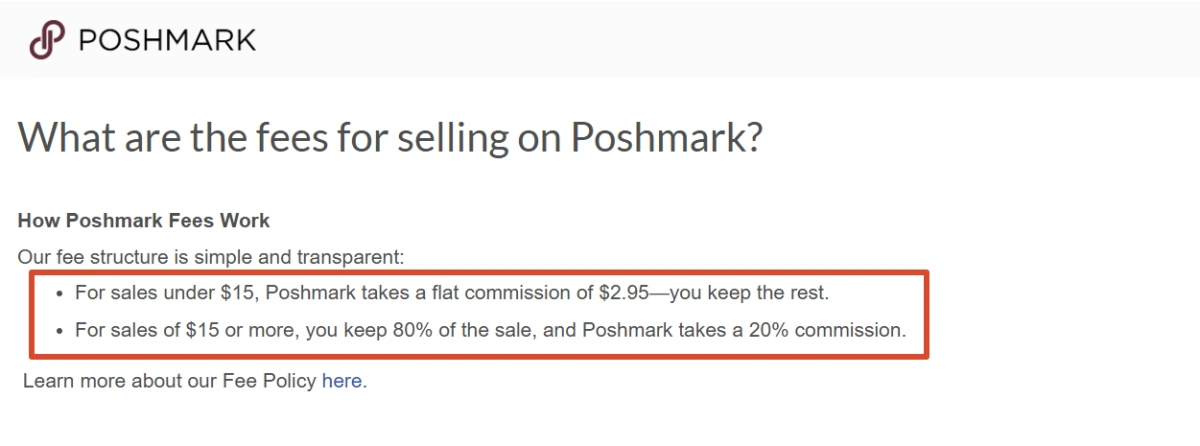
The current US seller fee is **$**2.95 for sales under $15 and 20% for sales of $15 or more. Listing is free.
Poshmark makes the most sense when:
Your inventory is fashion-specific. Poshmark supports new and pre-owned fashion, along with selected categories such as beauty, home goods, pet items, and electronics, but fashion remains central to its marketplace identity.

You are comfortable with offers and bundles. Buyers can make offers, sellers can counter, and multiple items can be combined into bundles. That makes pricing strategy important: the listed price may not be the final transaction price.
Your margins can absorb the commission. On a $50 sale, the 20% seller fee is $10 before considering other costs. A seller who sources clothing cheaply may still have enough room, while someone working with thinner margins needs to price much more carefully.
The important difference between Poshmark and a purely search-driven marketplace is that the platform’s social shopping structure makes interaction part of the experience. Sellers who enjoy building a recognizable closet and engaging with fashion shoppers may find that useful; sellers who want to list inventory and minimize ongoing interaction may prefer a different workflow.
Best fit: clothing, shoes, handbags, accessories, and other fashion inventory where buyer intent and social shopping are important.
5. Facebook Marketplace: A Practical Channel for Local Sales
Facebook Marketplace works differently from the other four platforms because the transaction often starts with local discovery and direct communication rather than a conventional nationwide resale workflow.
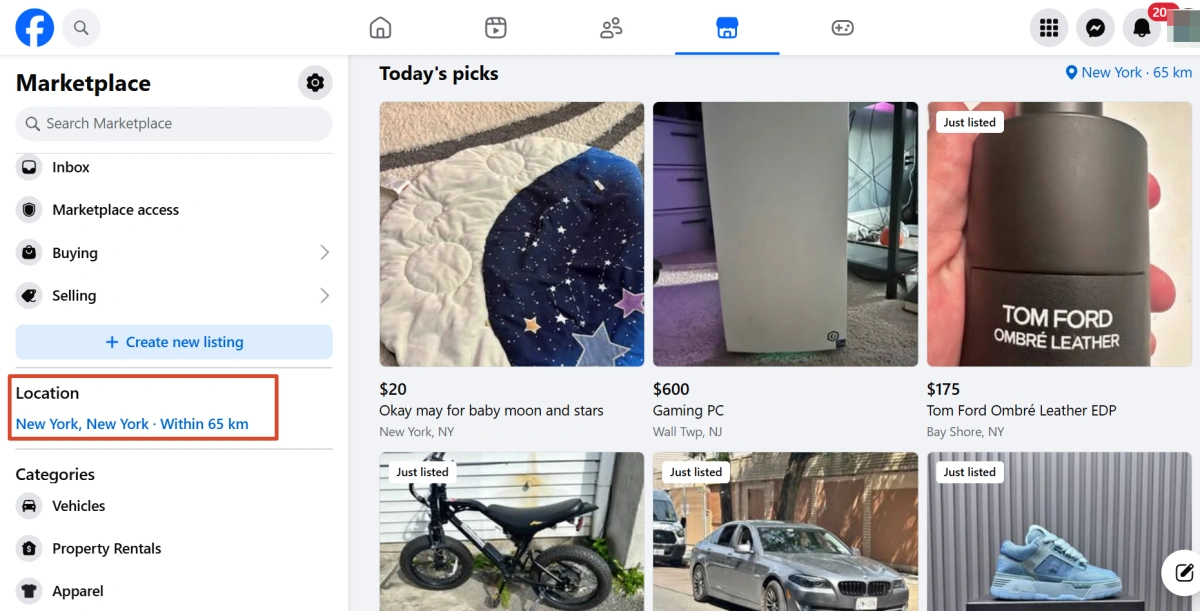
Facebook allows users to sell through Marketplace, buy-and-sell groups, or Pages, and shipping availability can depend on location.
That makes Marketplace particularly useful for items where shipping is expensive, inconvenient, or simply unnecessary:
- Furniture
- Appliances
- Large electronics
- Exercise equipment
- Home improvement items
- Bikes
- Large toys
- Moving or household clear-outs
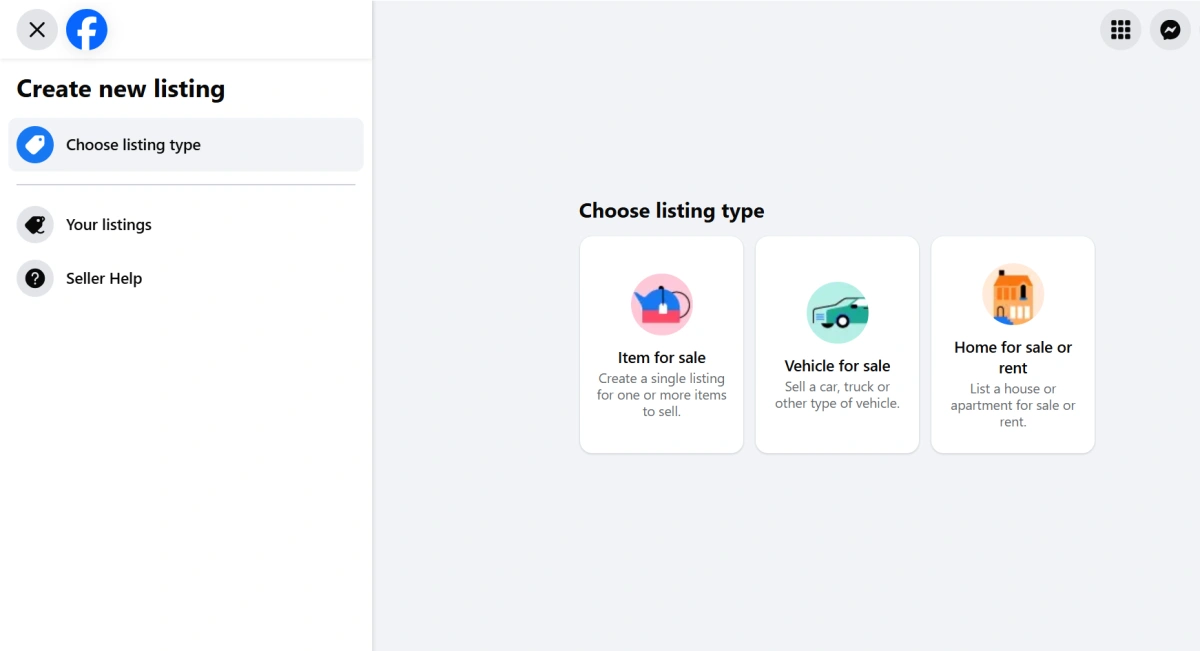
For example, selling a used desk locally can make more sense than paying to package and ship it through a national marketplace. The buyer can inspect the item, arrange pickup, and complete the transaction without turning a bulky product into a complicated shipping order.
The trade-off is scalability. Marketplace is useful for local inventory, but the workflow is more dependent on individual conversations, location, pickup arrangements, and buyer availability. Facebook also notes that Marketplace access and certain features can vary by location, and accounts can lose access when activity violates Commerce Policies or Community Standards.
Best fit: bulky products, local clearance, furniture, appliances, and sellers who want to avoid shipping where possible.
One More Factor: How You Manage Multiple Selling Accounts
Running multiple accounts on the same resale platform can create account-association risks if those accounts are managed from the same browser environment. Shared cookies, browser settings, device signals, or other identifiers can make different accounts look connected, which may trigger additional reviews or restrictions depending on the platform’s policies. A regular browser is not designed to keep these environments fully separate, especially when switching between several accounts every day.
This is where an antidetect browser can be useful.For example, FlashID allows you to create a separate browser profile for each account, so each account has its own browsing environment rather than sharing the same browser setup.
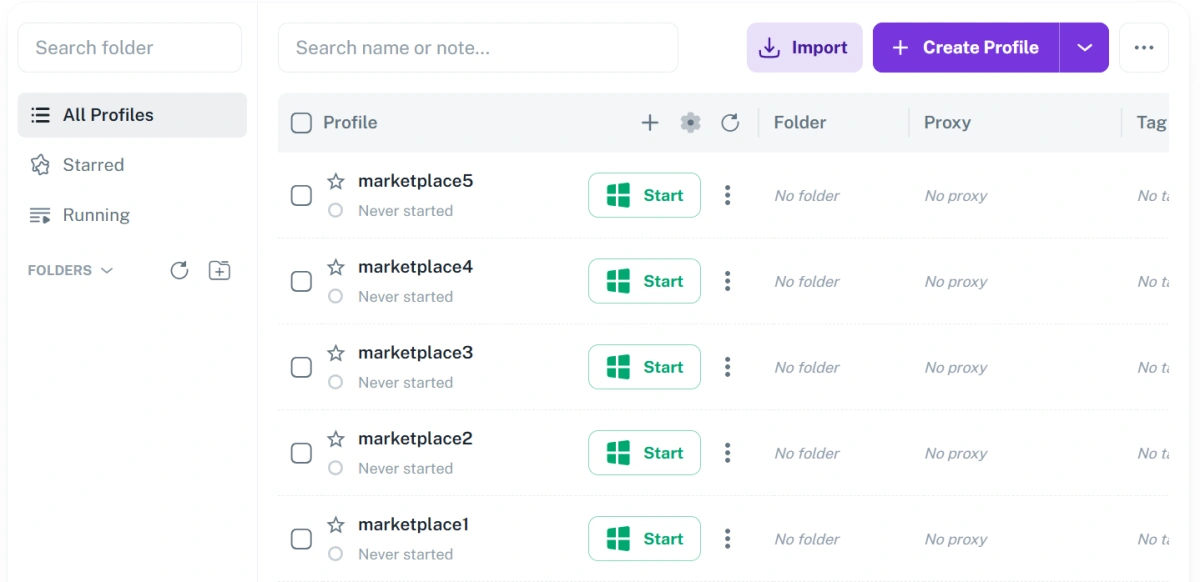
For resellers managing multiple accounts, FlashID Antidetect Browser also provides:
- Built-in Proxies: Assign a residential, datacenter, static ISP, or mobile proxy to an individual profile.
- Workspaces: Group profiles by platform, brand, or resale operation to keep multiple accounts organized.
- Profile Templates: Save commonly used profile settings and reuse them when creating new account environments.
- Window Synchronization: Carry out the same actions across selected profiles when repetitive tasks need to be performed on multiple accounts.
This setup is most relevant when you manage multiple accounts on the same platform. If you simply sell on eBay, Depop, and Poshmark, separate browser tabs or windows are usually enough; the need for independent profiles comes from managing multiple accounts that need to remain separate.
Choose Your Platform by Inventory, Not by Platform Hype
Instead of asking which marketplace is universally the best, start with the item sitting in front of you.
If you sell mixed inventory: Look at eBay and Mercari first. eBay offers broad product coverage and extensive seller infrastructure, while Mercari provides a simpler workflow and a straightforward 10% seller fee.
If you mainly sell vintage, Y2K, or streetwear: Depop deserves particular attention because apparel dominates its marketplace and its buyer base is strongly concentrated among younger shoppers.
If your inventory is fashion-focused and you are comfortable with social selling: Consider Poshmark, especially when your products fit its fashion-oriented audience and your margins can accommodate its 20% fee on sales of $15 or more.
If your products are too large or expensive to ship: Use Facebook Marketplace as a local channel and focus on pickup-based transactions where practical.
If you want one marketplace that can handle very different product types: eBay’s broad category coverage and seller infrastructure make it worth evaluating first, particularly if you expect your catalog to grow.
A simple pre-listing checklist
Before posting an item, ask:
- Who is most likely to buy this product?
- Does this marketplace have that type of buyer?
- What will I actually keep after seller fees and shipping?
- Does the product depend on visual discovery or exact search?
- Will I still be comfortable managing the platform when I have 50 or 200 listings?
- If I sell on several platforms, how will I keep each marketplace account and workflow organized?
There is no need to put every item on all five platforms. A better approach is to match the marketplace to the inventory, calculate the real selling cost, and then expand to another channel when the additional exposure is worth the extra listing and management work.
👀️ Want to explore more options beyond these five platforms? Check out our guide to the 8 best reselling platforms for a broader comparison of marketplaces, fees, and selling features.
FAQ
1. What is the best reselling platform for beginners in the US?
eBay is the strongest starting point for most beginners. It covers a much wider range of product categories than the other platforms in this list and gives sellers access to a large buyer base. Seller Hub, listing templates, bulk listing tools, analytics, and shipping options also make it easier to learn and manage a growing store.
2. Which reselling platform has the lowest seller fees?
Depop currently has the lowest seller fees for US sellers among these five platforms. US sellers do not pay a platform selling fee on standard sales, although Depop charges a payment processing fee of 3.3% + $0.45 per transaction. Mercari charges a 10% seller fee on eligible new or updated listings, while Poshmark charges $2.95 on sales under $15 and 20% on sales of $15 or more.
3. Which platform is best for selling clothes?
Depop is the most fashion-focused option on this list. Apparel accounts for the vast majority of Depop’s gross merchandise sales, and its buyer base also skews young. The platform is particularly suited to vintage pieces, streetwear, trend-driven clothing, and other fashion items where style and presentation play a major role in the purchase decision.
4. Which reselling platform is best for local sales?
Facebook Marketplace is the best fit for local resale. Buyers can discover listings in their area and contact sellers directly, making it especially practical for furniture, appliances, home goods, and other bulky items that are inconvenient or expensive to ship.
5. Which reselling platform is best for high-volume sellers?
eBay is the most suitable option for high-volume selling among these five platforms. Its broad category coverage is paired with tools such as bulk listing, listing templates, Seller Hub, sales analytics, promoted listings, shipping services, and API access. These features are useful when a seller needs to manage a large number of listings rather than handling every item manually.
6. Can I sell the same products on multiple reselling platforms?
Yes, and cross-listing can help sellers reach different buyer groups. For example, a clothing seller could use Depop for fashion-focused shoppers, Poshmark for another fashion audience, and eBay to reach buyers searching across a much broader range of categories. The main challenge is keeping inventory and listings synchronized so that an item sold on one platform is not accidentally sold again elsewhere.
You May Also Like