With the rapid growth of e-commerce, independent websites (independent e-commerce platforms) are becoming a key channel for brand expansion and sales. Compared to relying on large marketplaces, independent sites offer greater brand autonomy, more flexible marketing strategies, and more precise data control. For businesses and entrepreneurs, choosing the right platform not only improves operational efficiency but also directly impacts user experience and sales conversion.
In 2026, several platforms have stood out due to their usability, powerful features, and market reputation. Below is a selection of the top 6 independent e-commerce platforms, along with their pros and cons to help you find the best fit.
Top 6 Independent E-Commerce Platforms
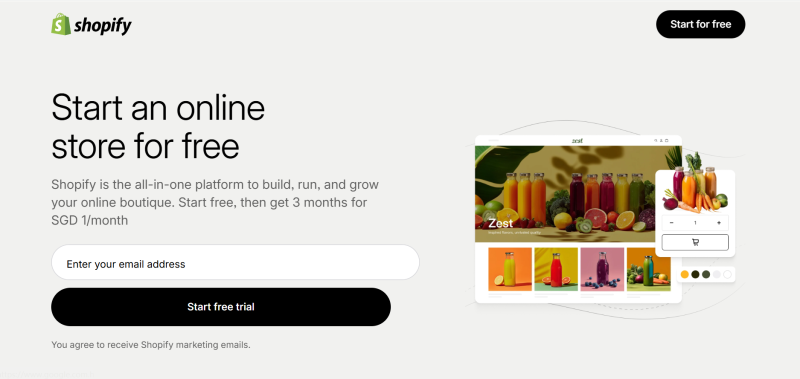
1.Shopify
A dedicated e-commerce platform with a user-friendly interface and extensive customization options.
Pros: Easy to use; rich template selection; extensive plugin ecosystem; secure and stable
Cons: Advanced features require paid plugins; international payment setup can be complex
2.Wix
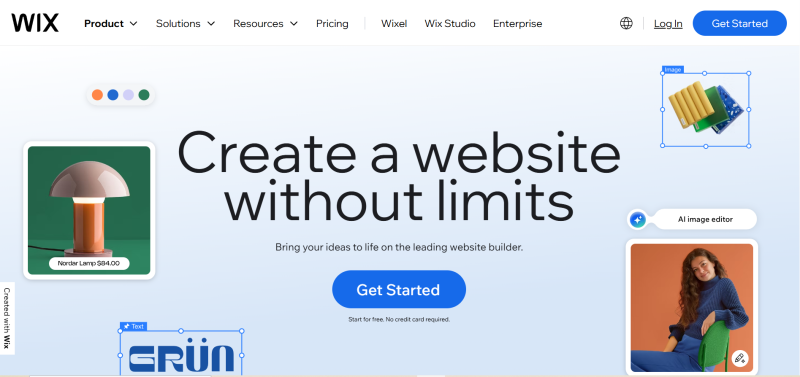
A drag-and-drop website builder with optional e-commerce features, focusing on design flexibility.
Pros: Drag-and-drop editor; no coding required; visually appealing templates; suitable for small businesses
Cons: Limited e-commerce functionality; SEO optimization requires manual adjustments
3.WooCommerce
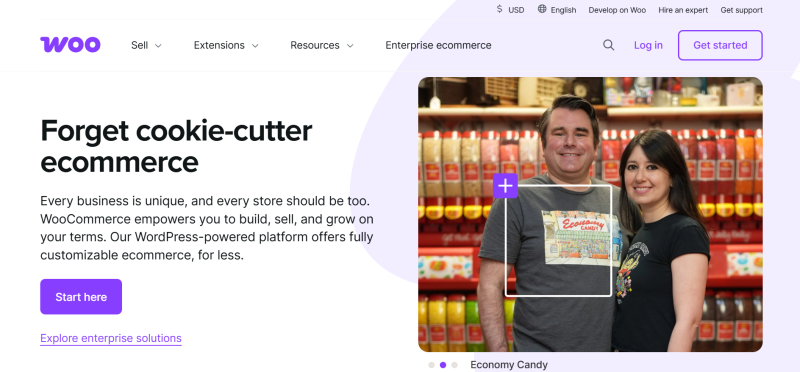
A WordPress plugin that converts sites into full-featured online stores, highly flexible for customization.
Pros: Highly flexible; extensive plugin options; ideal for combining content and e-commerce
Cons: Requires server maintenance; setup can be complex for beginners
4.BigCommerce
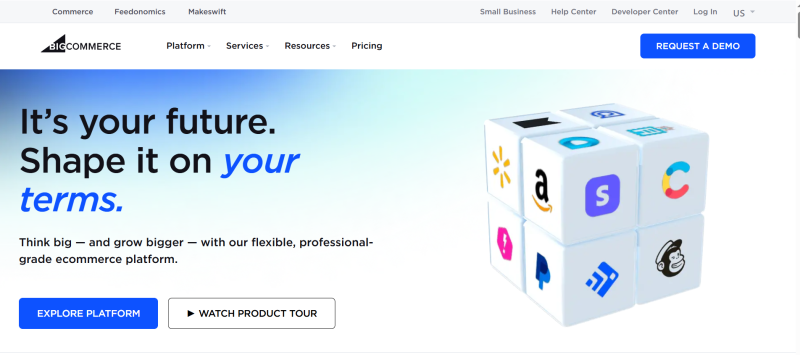
An enterprise-grade platform offering robust features and multi-channel integration.
Pros: Enterprise-grade features; multi-channel support; stable performance
Cons: Higher cost; slightly less flexible customization compared to WooCommerce
5.Magento (Adobe Commerce)
A highly customizable enterprise-level platform suitable for complex e-commerce operations.
Pros: Comprehensive enterprise-level features; highly customizable; supports complex business scenarios
Cons: Steep learning curve; high maintenance costs
6.Squarespace
Combines minimalistic design with basic e-commerce tools, emphasizing aesthetic appeal.
Pros: Beautiful templates; integrated blogging and showcase functions; suitable for small-scale e-commerce
Cons: Limited scalability for large sales; less e-commerce extensibility
After reviewing the pros and cons of each independent e-commerce platform, we can take a closer look at the use cases they are best suited for, helping you make a choice based on your business needs.
Suitable Use Cases
| Platform | User Size | Key Focus / Ideal For |
|---|---|---|
| Shopify | Small to large businesses | Multi-channel retail, scalable e- commerce |
| Wix | Small businesses | Creative showcases, micro-startups |
| WooCommerce | Small to medium businesses | Content-driven+ e-commerce, blogs + stores |
| BigCommerce | Medium to large businesses | Enterprise-level features, growth- focused brands |
| Squarespace | Small to medium businesses | Brand presentation, visual/creative brands |
| Magento | Large businesses | Complex enterprise-level e- commerce |
Trends and Strategies for Independent E-Commerce in 2026
Beyond understanding platform features, staying on top of industry trends and strategies is key to gaining a competitive edge.
- Mobile & AI-Driven Shopping: Optimize mobile experience and use AI for personalized recommendations to boost user experience and conversions.
- Social Commerce Integration: Connect your site with Instagram, TikTok, and Pinterest to drive traffic and sales through social engagement.
- Multi-Channel & Cross-Border Sales: Expand across platforms and regions with management tools to improve efficiency and reach global audiences.
- Data-Driven Decisions: Analyze traffic, sales, and customer behavior to optimize marketing and product strategies.
Independent e-commerce platforms are more than sales channels—they enable systematic operations, better user experience, and data-driven growth. Following these trends helps brands grow efficiently and maintain long-term competitiveness.
To implement these strategies effectively across multiple channels and markets, leveraging advanced tools is essential. FlashID provides strong support in this area.
How FlashID Enhances Your E-Commerce Website
Managing multiple accounts, markets, and sales channels is a common challenge for independent websites. FlashID can significantly improve your e-commerce efficiency and security:
- Secure Multi-Account Management: Supports multiple accounts simultaneously, preventing conflicts or suspensions and ensuring stable operation.
- Automated Environment Switching: Quickly switches IPs, browser fingerprints, and network environments, making it easy to manage multiple markets and regions.
- Increased Operational Efficiency: Centralizes account, order, and data management, reducing repetitive tasks and freeing time for marketing and customer service.
- Reduced Account Suspension Risk: Simulates real user behavior to minimize platform risk interventions and enhance account stability.
- Data and Traffic Analysis: Monitors traffic, visits, and conversions for each account to optimize e-commerce strategies.
In short, FlashID is more than just an account management tool—it’s a powerful assistant for improving operational efficiency, reducing risks, and expanding your market. Whether you’re a startup or a growing enterprise, it helps your store operate smarter, safer, and more efficiently.
Conclusion
The independent e-commerce market in 2026 remains vibrant. Whether you are a small startup, a creative brand, or an enterprise-level business, there is a platform suitable for your needs. Choosing the right independent site not only improves operational efficiency but also enhances brand competitiveness. Leveraging advanced tools like FlashID allows you to easily manage multiple accounts and channels, reduce operational risks, and achieve stable growth and long-term success.
Frequently Asked Questions (FAQ)
1.Q: What is an independent e-commerce platform?
A: An independent e-commerce platform is a website that allows you to sell products directly to customers without relying on third-party marketplaces like Amazon or eBay. It provides greater control over branding, marketing, and customer data.
2.Q: Why should I choose an independent platform over a large marketplace?
A: Independent platforms offer more brand autonomy, flexible marketing strategies, and precise data control, which can lead to better user experience, higher conversion rates, and long-term brand value.
3.Q: Which independent platform is best for small startups?
A: Platforms like Wix and Shopify are ideal for small startups due to their ease of use, drag-and-drop editing, and scalable features. Wix is particularly good for creative brands, while Shopify excels in multi-channel sales.
4.Q: What platform is suitable for large or enterprise-level businesses?
A: BigCommerce and Magento (Adobe Commerce) are designed for enterprise-level operations. They support multi-channel sales, complex workflows, and extensive customizations, making them suitable for larger teams and high-volume stores.
5.Q: Can I combine content and e-commerce on a single platform?
A: Yes, WooCommerce (WordPress) is ideal for content-driven businesses, allowing you to integrate blogs, articles, and other content with your online store seamlessly.
6.Q: How can FlashID help manage my independent e-commerce store?
A: FlashID simplifies multi-account management, automates environment switching (IPs, browser fingerprints, network), increases operational efficiency, reduces account suspension risks, and provides traffic and conversion analytics.