AI image generation is one of the hottest and most transformative fields in 2025. As brands, creators, and businesses shift toward high-volume visual production, AI art generators have become essential tools across nearly every digital workflow. Whether you’re running high-performing social media ads, designing polished e-commerce product images, producing YouTube thumbnails that actually convert, or powering a large-scale content engine for blogs, landing pages, and advertising campaigns—your choice of AI image-generation tool now directly affects workflow efficiency, creative quality, production speed, and overall operating costs.
Unlike early AI tools that focused on simple stylized outputs, today’s leading generators support photorealistic rendering, precise character consistency, advanced editing, and even image-to-video transitions. With dozens of AI generators on the market—each with different strengths, pricing models, and technical capabilities—knowing which one to use has become more important than ever.
This guide ranks the Top 10 AI image generators to use in 2025, comparing real output quality, generation speed, pricing, and the best use cases for each tool. Whether you’re a marketer, designer, e-commerce seller, social media manager, filmmaker, or AI-driven creator, this list will help you choose the most effective tool for your needs and maximize your creative impact.
What Makes a Great AI Image Generator in 2025?
Before looking at rankings, here’s what users value most in 2025:
✔ Photorealistic rendering quality
Clear skin, accurate hands, realistic reflections, precise lighting.
✔ Fast generation speed
Crucial for ad testing, e-commerce visuals, and high-volume workflows.
✔ Style consistency
Key for brand identities, recurring characters, and long-term projects.
✔ Multi-modal support
Inpainting, outpainting, image-to-video, and advanced editing.
✔ Commercial usage rights
Essential for marketing teams and agencies.
✔ API support & automation
Needed for scaling creative production in 2025.
🔥 Top 7 AI Image-Generation Tools to Use in 2025
1.Midjourney — Best Overall Creative AI Generator in 2025
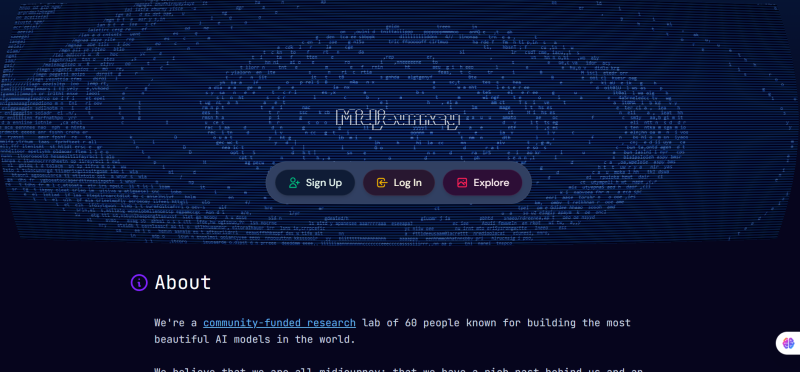
Midjourney maintains its position as the industry’s leading creative AI engine, thanks to its unmatched artistic direction, atmospheric depth, and stylistic precision. While previous versions were known for stylized visuals, the 2025 update delivers far more than “pretty art”—it now supports realistic lighting, accurate anatomy, advanced composition logic, and a dramatically more stable character engine.
Why It’s a Top Choice in 2025
Midjourney’s proprietary diffusion model excels in producing cinematic images, commercial-quality graphics, and visually cohesive brand assets. Designers consistently report that MJ outputs require less post-editing than almost any other generator, which significantly reduces creative labor.
Key Strengths
- Unmatched style control through the Style Reference and Character Reference systems
- Improved realism, especially in product renders and editorial photography
- Advanced multi-image blending to match brand identity
- Now available on Web, removing the dependency on Discord
- Fast generation with predictable consistency at high resolutions
Best For
Creative agencies, brand designers, ad creatives, product visuals, high-end digital art.
2.OpenAI DALL·E — Best for Photorealistic Human Images
DALL·E is widely regarded as the most accurate AI generator for realistic human subjects. Its facial detail, skin texture, hand structure, and overall anatomical precision have surpassed every competitor, making it the preferred tool for commercial campaigns that need “camera-real” output.
Where DALL·E Excels
Unlike stylized models, DALL·E is optimized for natural aesthetics. Its outputs look like authentic photographs—whether you need lifestyle shots, corporate portraits, or influencer-style social content.
Key Strengths
- The most photorealistic human rendering in the industry
- High-accuracy image editing (inpainting/outpainting)
- Strong brand consistency, maintaining expressions and poses across sets
- Deep ChatGPT integration, enabling conversational prompts and iterative refinement
Best For
Social ads, model photography, corporate content, thumbnails, personal branding, and commercial campaigns.
3.Adobe Firefly — Best for Commercial Licensing & Enterprise Use
Firefly is the go-to solution for businesses that prioritize safety, compliance, and enterprise-level copyright protection. Integrated directly into Photoshop, Illustrator, and Adobe Express, it enables companies to generate and refine images without leaving their existing workflows.
Why Enterprises Prefer Firefly
Adobe’s model is trained on licensed content, ensuring every output is safe for commercial use and reducing legal risks for global brands.
Key Strengths
- 100% enterprise-safe commercial licensing
- Seamless integration with Adobe Creative Cloud
- Excellent for image expansion, generative fill, and hybrid edits
- High-quality product photos and lifestyle composites
Best For
Enterprises, agencies, corporate design teams, and regulated industries.
4.Stable Diffusion — Best for Custom Models & Full Control
Stable Diffusion pushes open-source flexibility to new heights. While not always as “plug-and-play” as Midjourney or DALL·E, SD3 excels in customization: you can train unique character models, brand-specific styles, or proprietary product renderers.
Why SD Is Essential for Advanced Users
Businesses with privacy requirements, unique artistic identities, or specialized visual pipelines rely on SD because it can be self-hosted with complete data control.
Key Strengths
- Fully customizable via LoRA, checkpoints, and fine-tuning
- Full local deployment for maximum privacy
- Huge model ecosystem through platforms like Civitai
- Extremely cost-efficient for bulk generation
Best For
Developers, AI enthusiasts, R&D labs, and businesses needing proprietary visual styles.
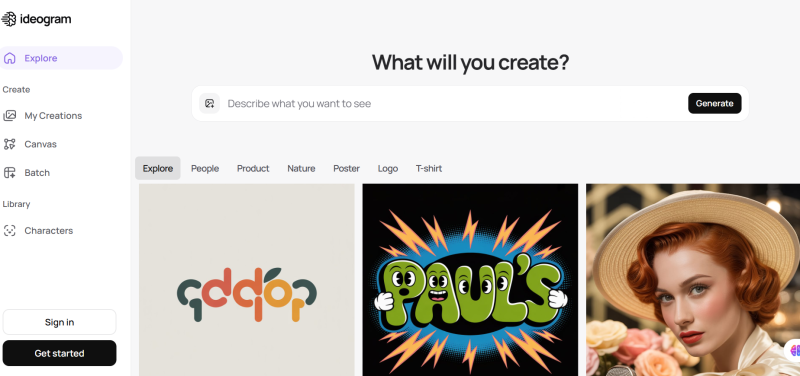
5.Ideogram — Best for Posters, Typography & Text Rendering
Ideogram has solved a major AI limitation: clean, accurate, readable text inside images. In 2025, it remains the number-one choice for commercial posters, YouTube thumbnails, ad banners, and social content that requires bold, on-image messaging.
What Makes Ideogram Stand Out
Its typography engine delivers billboard-level clarity, making it ideal when your visuals require strong, integrated text.
Key Strengths
- Best AI text rendering available
- Poster-perfect design quality
- Fast, template-friendly outputs
- Ideal for ads, event flyers, thumbnails, and promos
Best For
Marketers, creators, brands, e-commerce sellers, print designers.
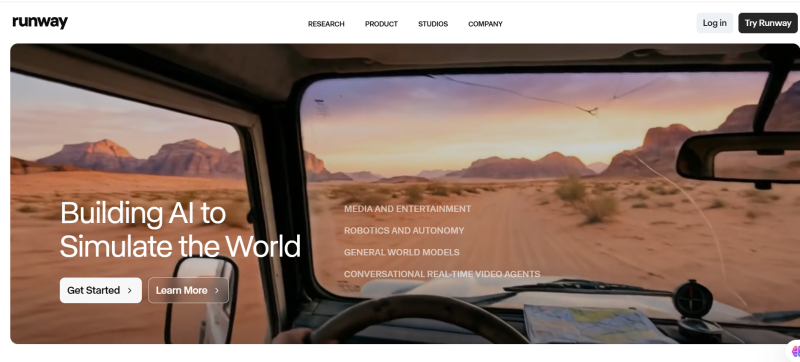
6.Runway — Best for Storyboards & Visual Motion
Runway’s model is designed for cinematic visuals and motion-first workflows. Even its static images exhibit cinematic lighting and composition that resemble film production stills.
Where Runway Shines
If you’re planning video production, Runway lets you design storyboards, concept frames, and motion previews that can later be expanded into full video sequences.
Key Strengths
- Best bridge between image and video generation
- Cinematic realism and industry-grade lighting
- Motion brush and scene control tools
- Ideal for film, animation, and commercials
Best For
Filmmakers, advertisers, production studios, and advanced video creators.
7.Canva AI — Best for Fast Social Media Graphics
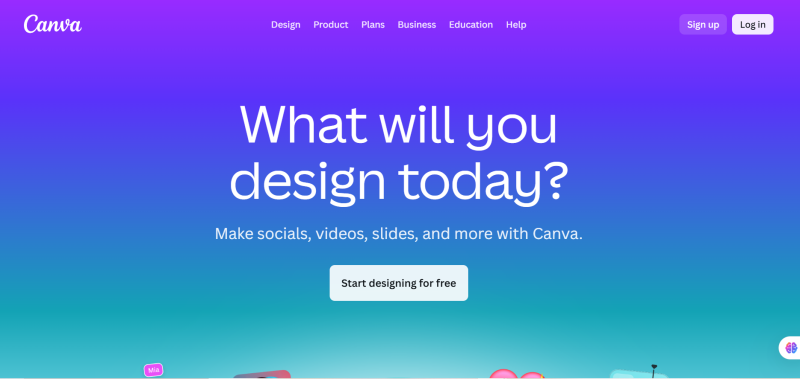
Canva AI is unmatched in speed and simplicity. Its integration into Canva’s template ecosystem makes it ideal for producing polished marketing visuals in minutes—not hours.
Key Strengths
- Instant generation inside templates
- Great for social graphics, ads, thumbnails, covers
- Beginner-friendly but powerful enough for professionals
- Very affordable for small teams and creators
Best For
Social media managers, bloggers, small businesses, and non-designers.
How to Choose the Right AI Image Generator in 2025
With so many AI tools on the market, the best choice depends entirely on your use case, budget, and creative workflow. Here’s a quick breakdown:
● For cinematic images → Midjourney
● For human faces, ads, portraits → DALL·E
● For corporate/enterprise work → Adobe Firefly
● For full control & custom models → Stable Diffusion
● For posters & thumbnails → Ideogram
● For film/video workflows → Runway
● For product rendering & e-commerce → Getimg.ai
● For fast marketing content → Canva AI
Many professional teams today mix 2–4 tools in a single creative pipeline—for example, generating concept art in Midjourney, refining realism in DALL·E, and finishing assets in Photoshop + Firefly.
Scaling Creative Production in 2025: The Workflow Challenge
As AI image generation becomes mainstream, one issue is becoming increasingly obvious: Creative teams can now produce visuals far faster than platforms can safely manage accounts, devices, or multi-user access.
Agencies, cross-border sellers, and global marketing teams often face:
- multi-account logins
- different team members accessing different platforms
- risk of account association when producing or publishing content
- compliance challenges when generating large amounts of brand assets
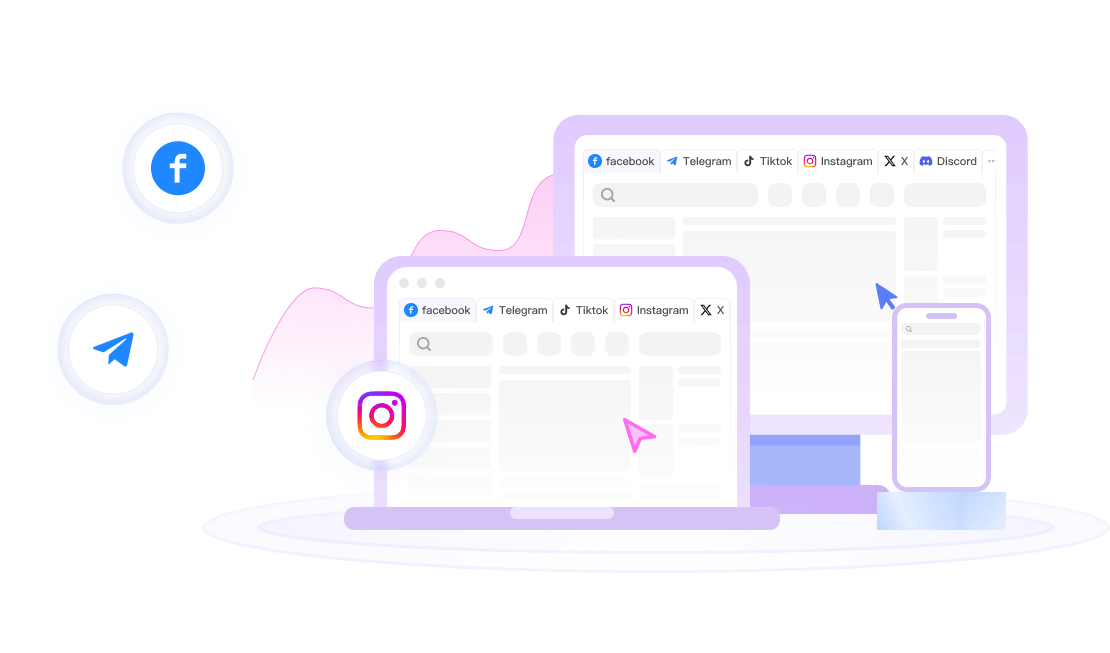
This is where tools like FlashID begin to complement the AI production ecosystem—not as an image generator, but as a backend infrastructure that keeps your multi-account operations clean, isolated, and platform-safe.
FlashID offers: ● isolated identity environments for ad accounts, social profiles, and publishing workflows ● stable device fingerprints for platforms like Meta, TikTok, YouTube, Amazon ● cloud-phone support for mobile-only platforms such as Instagram & TikTok ● integrated proxy systems to ensure content and publishing environments match your target region
In practice, many teams now use: AI tools → for content creation FlashID → for safe content deployment &multi-account operations
This combination allows marketers and creators to produce at scale and publish safely at scale—without triggering platform risk systems.
Final Thoughts: AI Images Are Only the Beginning
AI image-generation technology in 2025 has moved far beyond “pretty pictures.” It’s now a core part of:
- advertising
- branding
- e-commerce
- filmmaking
- influencer content
- website design
- large-scale marketing automation
Choosing the right generator determines not only your visual output—but also your efficiency, scalability, and cost structure. And as teams adopt AI content in bulk, secure operational tools like FlashID ensure their creative workflow remains stable and sustainable across global platforms.
Whether you’re a creator, a marketer, a brand, or an enterprise team, the AI landscape of 2025 offers more power than ever. The key is choosing the right tools—and building the right workflow—to fully unlock that potential.
Frequently Asked Questions (FAQ)
1.Q: What is the best AI image generator in 2025?
A: There is no single tool that fits every use case.
- Midjourney is best for creative and cinematic visuals.
- DALL·E leads in photorealistic human images.
- Firefly is the safest choice for enterprise licensing.
- Stable Diffusion is ideal for advanced customization.
Your “best tool” depends on whether you prioritize realism, style control, brand consistency, or scalability.
2.Q:Which AI generator produces the most realistic human photos?
A: As of 2025, OpenAI, DALL·E delivers the highest-quality realistic human faces, hands, skin texture, and natural lighting. It is widely used for lifestyle ads, influencer-style visuals, and corporate photography replacements.
3.Q: What’s the best free AI image generator?
A: Several tools offer free tiers:
- Canva AI provides free credits for quick social designs.
- Stable Diffusion can be used fully free if self-hosted.
But for consistent, professional output, paid versions are usually necessary.
4.Q: Can I use AI-generated images commercially?
A: Yes, but with conditions.
- Adobe Firefly offers fully safe, enterprise-compliant licensing.
- Midjourney & DALL·E allow commercial usage, but the model training data varies.
- Stable Diffusion models may require checking specific license terms.
Always verify the licensing policy of your tool before using the images in paid ads or brand campaigns.
5.Q: What AI tool is best for YouTube thumbnails?
A:
- Ideogram (for bold, accurate text on images)
- Midjourney (for cinematic styles)
- DALL·E (for realistic people)
Many creators generate multiple variants quickly—using FlashID’s isolated environments helps manage multiple channels safely.