Messaging apps have become an essential part of modern communication, powering everything from personal conversations to global business operations. For years, platforms like WhatsApp and Telegram have dominated the messaging space. However, a new contender—XChat—is quickly gaining attention as part of the expanding X ecosystem.
With growing discussions around XChat’s integration of messaging, payments, and social networking features, many users are now asking an important question:
Which messaging app is actually the best in 2026—XChat, WhatsApp, or Telegram?
In this guide, we’ll compare these three platforms across features, privacy, usability, and business potential to help you decide which messaging app fits your needs.
What Is XChat?
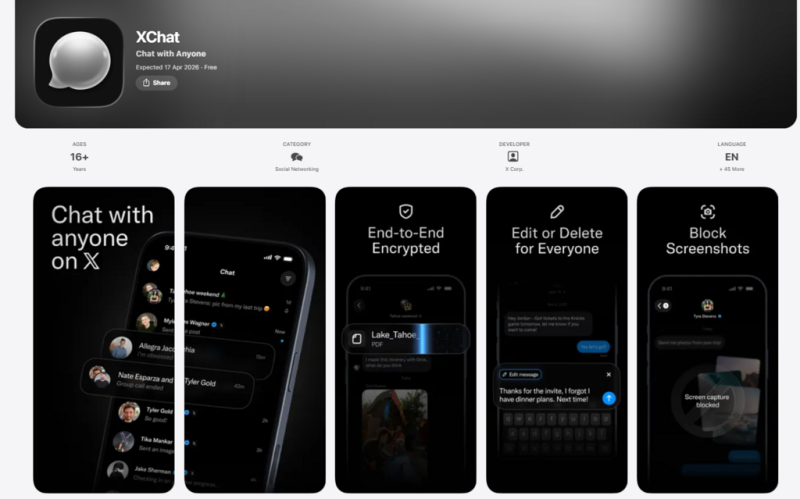
XChat is an emerging messaging platform designed to become a core component of the broader X ecosystem. Unlike traditional messaging apps that focus only on communication, XChat is expected to expand into a multifunctional platform combining messaging, payments, and integrated services.
The vision behind XChat is closely tied to the development of a “super app”—a platform that brings together communication, finance, and digital services into one unified experience. This concept has already proven successful in Asia, where super apps like WeChat serve as communication hubs, payment tools, and business platforms simultaneously.
According to recent reports, XChat is expected to support:
- Instant messaging
- Secure communication features
- Payment integration
- Business and creator tools
- Integration with the broader X platform ecosystem
This approach positions XChat as more than just a messaging app—it may become a digital infrastructure layer for communication and commerce.
As XChat continues to evolve, its capabilities could reshape how individuals and businesses interact online.
Overview of WhatsApp and Telegram
Before diving into detailed comparisons, it’s important to understand the strengths of WhatsApp and Telegram, which have already established strong global user bases.
WhatsApp Overview
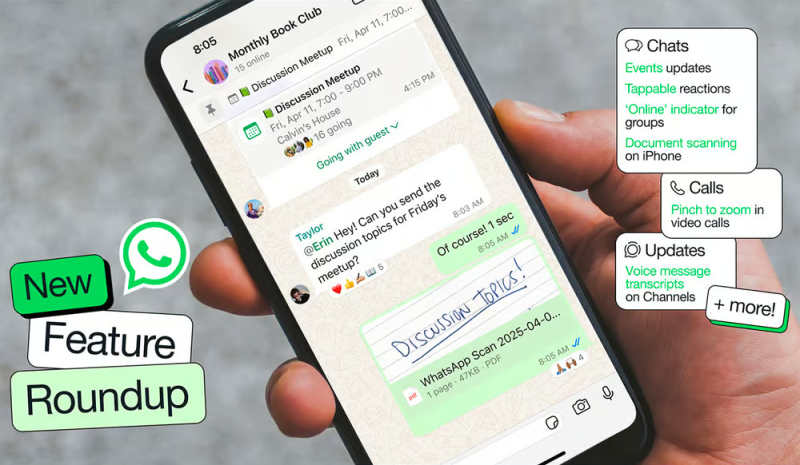
WhatsApp remains one of the most widely used messaging apps in the world, with billions of active users across different regions.
Key strengths of WhatsApp include:
- End-to-end encryption enabled by default
- Simple and intuitive user interface
- Reliable messaging performance
- Integration with WhatsApp Business tools
Despite its advantages, WhatsApp also has some limitations to consider:
- Data privacy concerns WhatsApp has faced criticism over its data privacy policies and data-sharing practices.
- Account and platform restrictions Some users may experience account limitations or bans due to strict platform rules.
- Limited accessibility in mainland China WhatsApp usage in mainland China is restricted, which may affect connectivity and overall user experience.
@durov
Even if you encrypt your WhatsApp backups with a strong password, your messages still end up in unencrypted cloud backups — because 90%+ of the people you message haven’t done the same. Add the fact that WhatsApp stores and discloses who you chat with, and the picture is dire
Telegram Overview
Telegram has gained popularity among users who prioritize flexibility, customization, and large-scale communication.
Telegram’s key strengths include:
- Support for large group chats
- Advanced bot functionality
- Flexible customization options
- Cloud-based messaging
- Public channels and communities
That said, Telegram still comes with several limitations that users should be aware of:
- telegram account banned risk: Some users experience sudden telegram account banned issues, and the appeal or recovery process can be unclear.
- telegram create new application error problems: Developers may encounter telegram create new application error when setting up apps or APIs, which can slow down development.
- Registration fees and poor Chinese search support: Users with +86 numbers may be required to pay SMS verification fees during registration or login, increasing the entry barrier. In addition, Telegram’s official search performs poorly for Chinese content, making it difficult to find relevant groups or channels without using third-party tools.
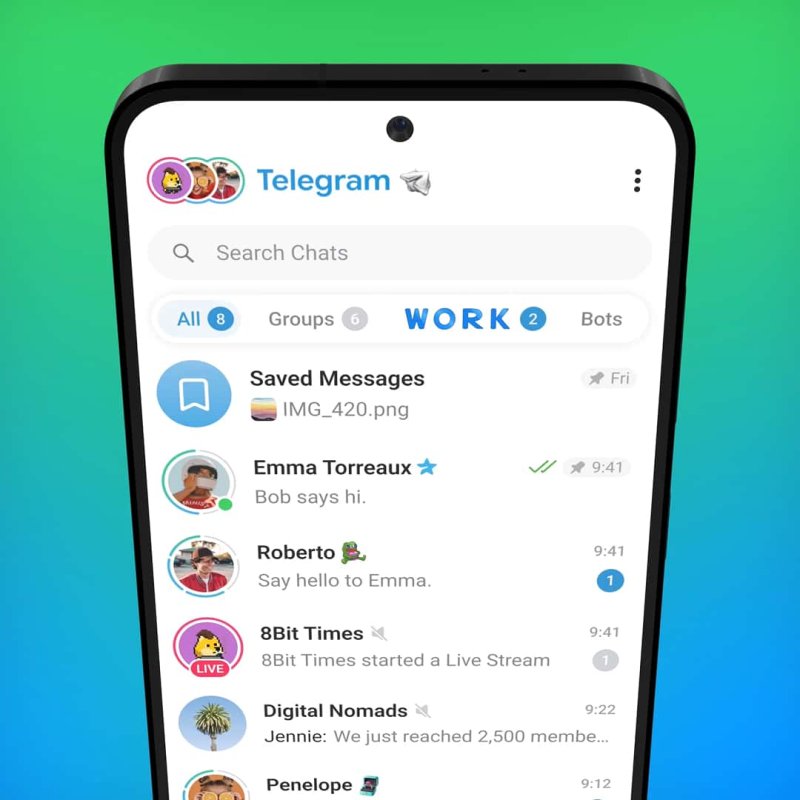 Since both Telegram and WhatsApp have certain accessibility limitations in mainland China, users often face additional barriers such as network restrictions and registration challenges. In contrast, the upcoming XChat is designed to be fully accessible for users in China, without these regional limitations. This makes XChat a more convenient and user-friendly option for Chinese users seeking stable and unrestricted messaging services.
XChat vs WhatsApp vs Telegram: Key Feature Comparison
To better understand the differences between these platforms, here is a feature-by-feature comparison.
| Feature | ⚔️XChat | 🌐Telegram | |
|---|---|---|---|
| Messaging | Yes | Yes | Yes |
| End-to-End Encryption | Expected | Yes (Default) | Optional |
| Payments Integration | Planned | Limited | No |
| Group Messaging | Expected | Moderate | Large-scale |
| Business Tools | Growing | Strong | Flexible |
| Bot Support | Likely | Limited | Advanced |
| Platform Integration | X Ecosystem | Meta Ecosystem | Independent |
| Cross-Platform Support | Expected | Yes | Yes |
Privacy and Security Comparison
Privacy and security remain top concerns for messaging users, especially as platforms become more integrated into daily life and financial systems.
Encryption Differences
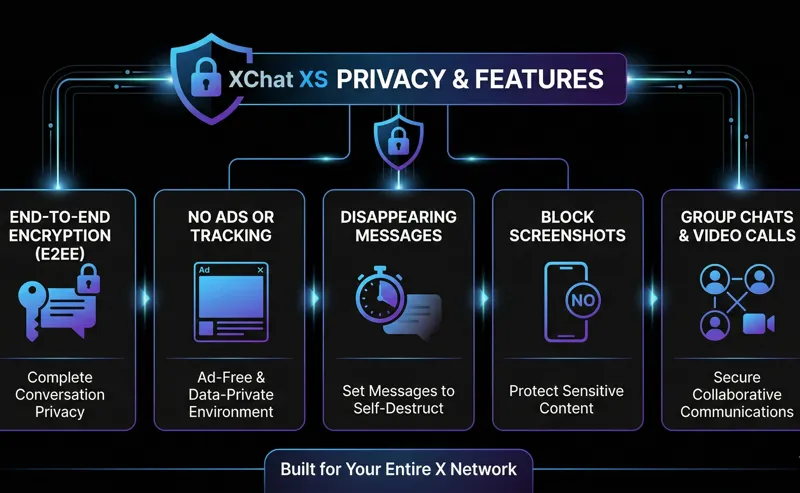
WhatsApp currently offers strong security with end-to-end encryption enabled by default. This means only the sender and recipient can read the message content.
Telegram provides encryption through its Secret Chat feature. However, standard chats are stored in the cloud and are not encrypted end-to-end by default.
XChat is expected to implement secure communication technologies as part of its design. While detailed technical specifications are still developing, the platform is likely to emphasize security as a core component of its messaging infrastructure.
Data Privacy Considerations
Each platform approaches data privacy differently.
WhatsApp, as part of a larger corporate ecosystem, has faced scrutiny over how user data may be shared across services.
Telegram promotes itself as privacy-focused but relies on cloud-based storage for many functions.
XChat, being part of a rapidly evolving platform ecosystem, will likely introduce new privacy models that combine communication and digital services.
Users concerned about privacy should carefully evaluate how each platform handles:
- User data storage
- Device authentication
- Account activity monitoring
- Security controls

Which Messaging App Is Best for Different Users?
Different messaging platforms serve different types of users. Understanding your own needs is the best way to choose the right app.
Best for Personal Communication
🏆Winner: WhatsApp
WhatsApp remains the most accessible and widely used messaging platform worldwide. Its simple interface, reliable performance, and strong encryption make it ideal for everyday communication with friends and family.
Best for Privacy-Focused Users
🏆Winner: Telegram
Telegram offers greater flexibility for users who want customization options, private groups, and advanced communication features.
Secret Chats and community tools make Telegram appealing to users who prioritize privacy and scalability.
Best for Future Integration and Payments
🏆Winner: XChat
XChat stands out because of its potential to integrate messaging with financial services, payments, and platform-wide features.
As messaging apps move toward becoming full-service platforms, XChat’s future-focused design may give it a significant advantage.
Can You Use Multiple Messaging Accounts Safely?
As messaging apps continue to evolve, many users are no longer limited to a single account. In fact, managing multiple messaging accounts has become increasingly common across different industries.
For example:
- Businesses often use multiple accounts for customer support
- Marketing teams may operate several accounts for campaign management
- Community managers might handle multiple groups or audiences
- Freelancers and agencies may manage accounts for different clients
However, using multiple messaging accounts on the same device can sometimes lead to unexpected issues.If multiple accounts appear to originate from the same device or profile, platforms may flag suspicious activity. In certain cases, this could result in:
- Account restrictions
- Temporary suspensions
- Permanent bans
This risk becomes more significant as messaging apps introduce stronger security and fraud detection systems.
How to Manage Multiple Messaging Accounts Without Risk
To safely manage multiple messaging accounts, it’s important to isolate each account profile.
Instead of logging into several accounts from the same browser or device, advanced users often rely on specialized tools that create separate virtual profile for each account.
For example, tools like anti-detect browser allow users to:
- Create isolated browser profiles
- Assign different IP addresses
- Simulate independent devices
- Prevent account fingerprint overlap
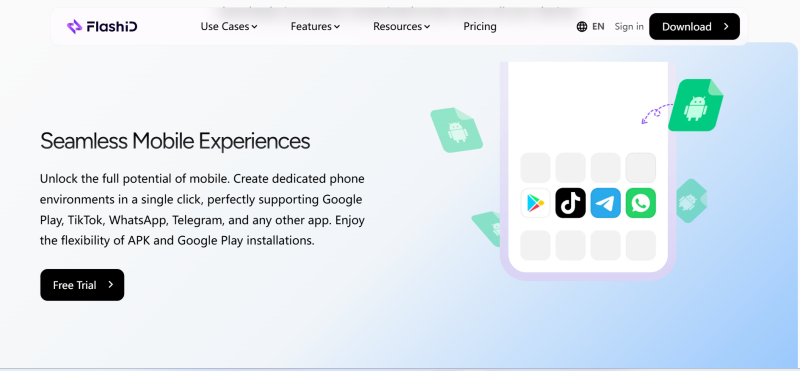
Among the available solutions, FlashID stands out as a powerful option for managing multiple messaging accounts safely.
Learn More about Anti-detect Browser
This helps ensure that each account behaves as if it is running from a completely different device, reducing the likelihood of detection or account restrictions.
For businesses, marketers, and multi-account operators, this approach provides:
Greater account security; Reduced risk of bans; Improved operational flexibility; Better scalability for account management
As messaging platforms grow more sophisticated, adopting secure multi-account management strategies is becoming increasingly important.
Final Verdict: Which Messaging App Should You Choose in 2026?
Choosing between XChat, WhatsApp, and Telegram ultimately depends on how you plan to use your messaging platform. Here is a quick summary✅ :
Choose WhatsApp if:
- You want a simple and reliable messaging app
- Most of your contacts already use WhatsApp
- You prioritize ease of use and global accessibility
Choose Telegram if:
- You manage large groups or communities
- You need advanced customization tools
- You prefer flexible communication features
Choose XChat if:
- You are interested in future-ready communication platforms
- You want messaging integrated with payments and services
- You plan to use messaging as part of a broader digital ecosystem
Looking ahead to 2026 and beyond, the messaging landscape is likely to become more integrated, intelligent, and service-driven.
While WhatsApp and Telegram remain strong players today, XChat represents an emerging direction that could redefine how messaging platforms function in the future.
Conclusion
Messaging apps are evolving beyond simple communication tools into full-service platforms that support communication, commerce, and collaboration.
WhatsApp remains dominant for everyday messaging, Telegram stands out for flexibility and large-scale communication, while XChat represents the next stage by integrating messaging with financial and platform services.
For individuals and businesses managing multiple accounts, selecting the right platform and using secure management tools is essential. Staying informed as the ecosystem grows will help users benefit from new technologies while reducing risks..
👀️ If you’d like to learn more about messaging apps and stay updated with practical insights, feel free to join our community.
You May Also Like